Niseko in summer: eighty-three per cent of it is shut
Of everything bookable in Niseko from abroad, fifty-four places take summer reservations. None of Hanazono's show up. Here is where the green season actually happens, and what it costs.
Jun Uchiyama · Last updated September 2026
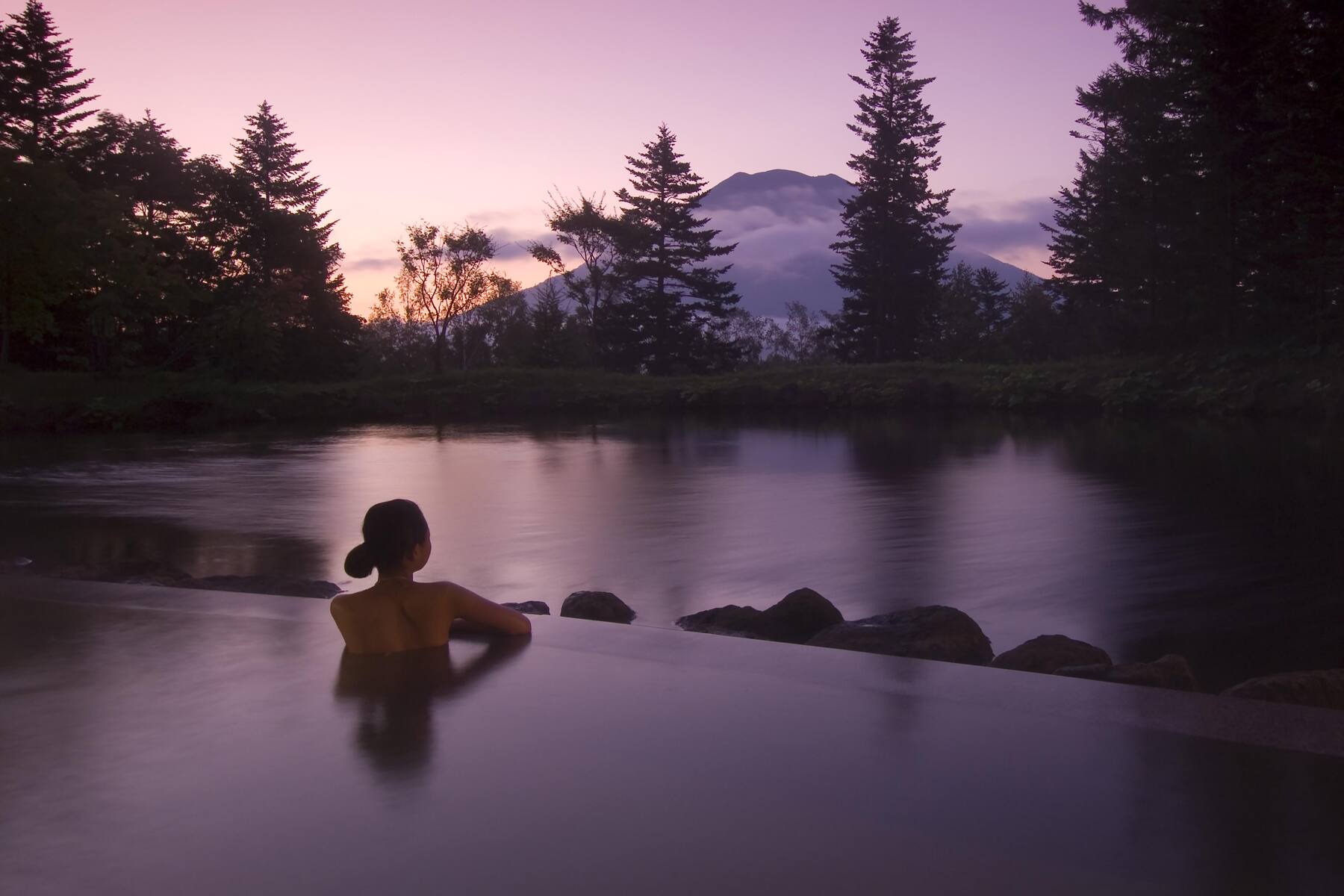
Search Niseko accommodation for a week in August and most of the map goes grey. It reads like the valley is booked out. It is not — it is closed.
That distinction is the whole article. A sold-out August makes you book earlier next time. A closed August makes you book somewhere else entirely, and the two conclusions send you in opposite directions.
The number
Of everything bookable in Niseko from outside Japan, fifty-four places take summer reservations. That is around one in six. The other five in six shut when the snow goes.
Booking platforms do not say this. An unavailable date renders as “sold out”, which looks like a demand problem and is actually a season problem — and the difference matters enormously when you are planning six months ahead and concluding, wrongly, that you left it too late.
There is a second-order effect worth naming. Because the closed properties are invisible rather than marked closed, the summer market looks thinner and more expensive than it is: the search returns a handful of results, you infer scarcity, and you pay a scarcity premium that is not there. The correct move is to stop searching by date and start from the list of places that open at all.
Fifty-four is a fact about listings, not about buildings
That number is what an international booking platform will sell you for a July night. It is not the same as the number of places that are open, and the gap is easy to demonstrate.
Of the eighty-three Niseko properties with a page on this site, seven describe a green season in their own words while showing no summer availability in the listings we read. Chalet Ivy calls itself four-season accommodation. MUWA Niseko’s own site sells summer retreats and an all-season escape. Kanronomori, at Konbu Onsen, leads its Japanese copy with summer activities before it mentions skiing at all. TORIFITO in Kutchan opens its site with the green season and the snow season in the same sentence. A backpackers’ place a few streets away advertises a quiet location through all four seasons and runs a lift to the Mount Yōtei trailhead, which is a summer service by definition.
None of that makes fifty-four wrong. It makes it a different measurement from the one you want. Fifty-four is how many places you can book from abroad, in advance, on a platform, for a summer date. How many are physically open and taking guests is a larger number that nobody publishes, because the properties in the gap take their summer business by telephone, by email, or through a Japanese-language site that never had an English booking funnel attached to it.
Which produces the most useful instruction in this article: if a property you want is not bookable in summer, write to it before you believe the calendar. These seven are the cases where the property’s own words can be shown disagreeing with the platform. They will not be the only seven.
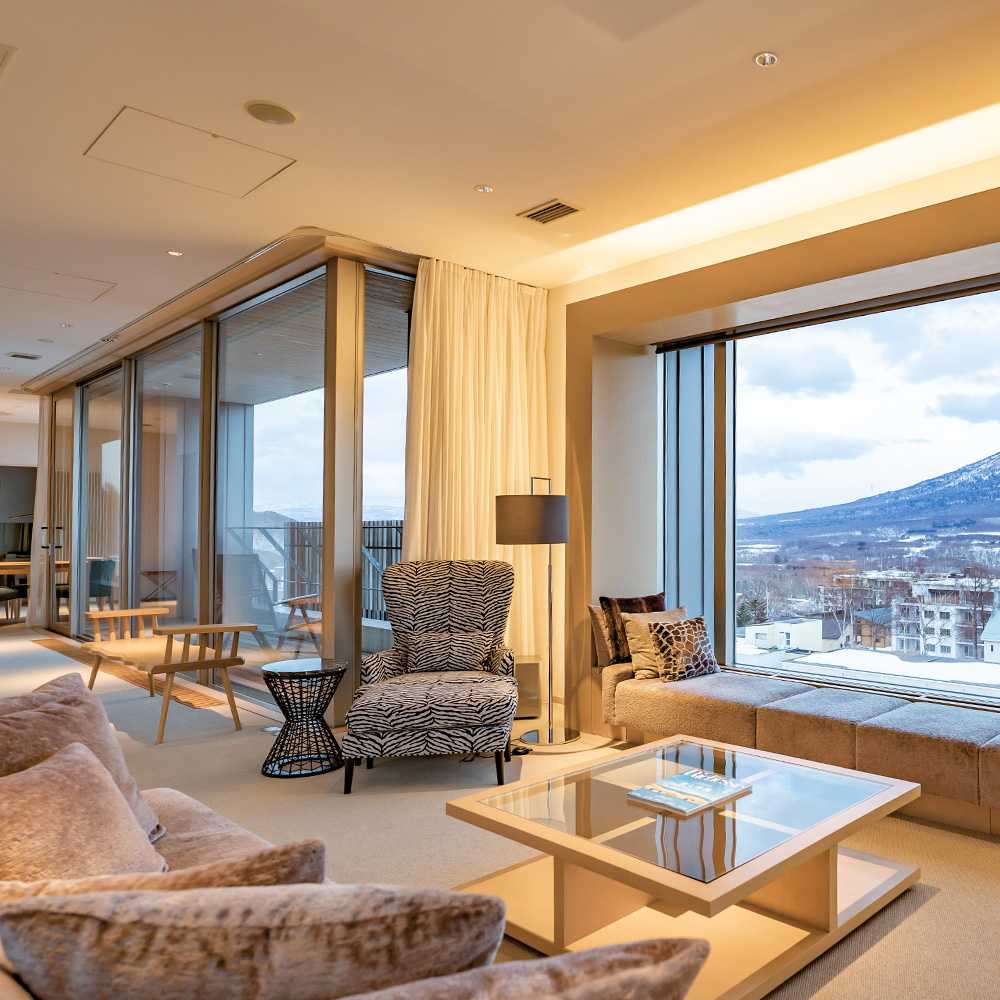 Chalet Ivy Hirafu, Niseko official site
Describes itself as four-season accommodation on its own site, and shows as winter-only in the listings. 544 reviews at 9.3 out of 10, ¥586,000 for five peak nights, with a natural hot spring on site — a bath that has as much reason to run in August as in February.
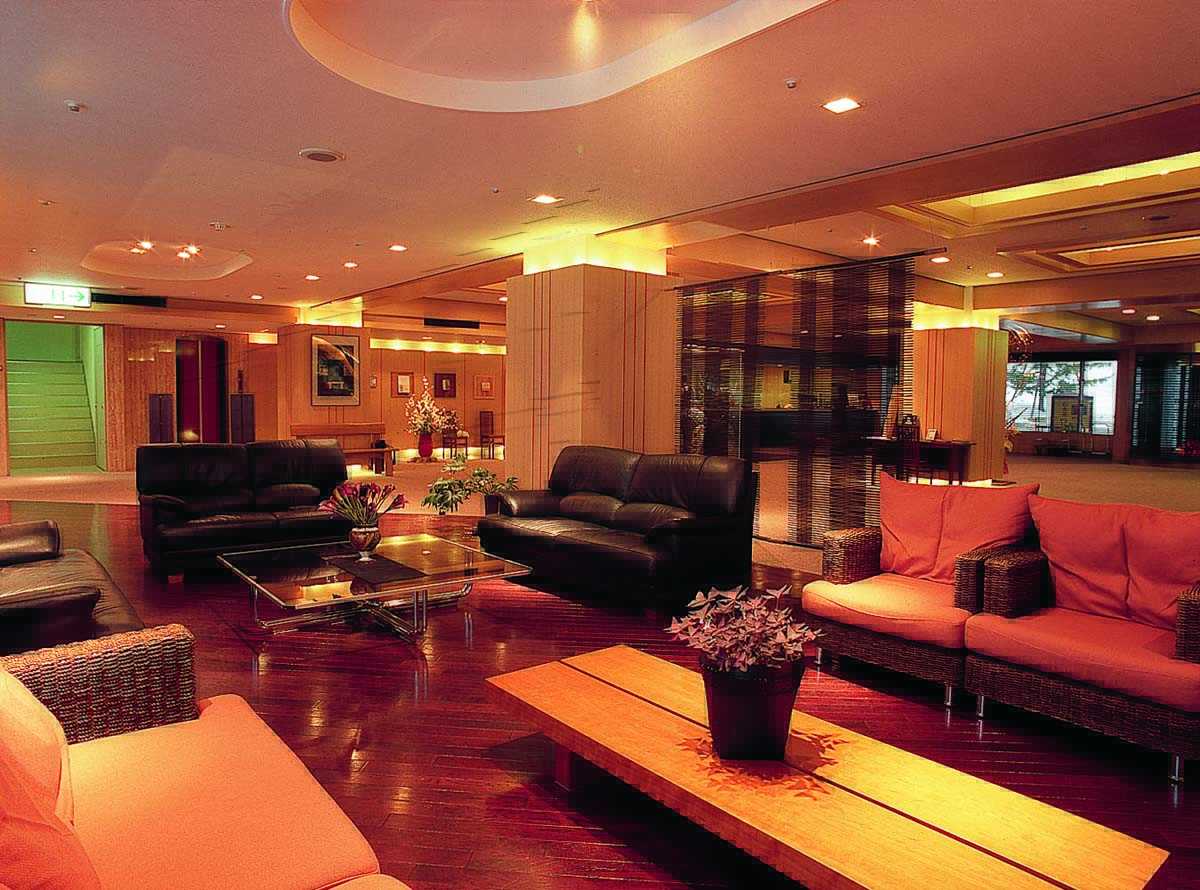 Niseko Konbu Onsen Hotel Kanronomori official site
Its Japanese copy puts summer activities first and skiing second, and the hot spring is the year-round argument for the building. Yet the international listing shows no summer availability. 310 international reviews against 863 on the Japanese platform, at ¥330,300 for five peak nights.
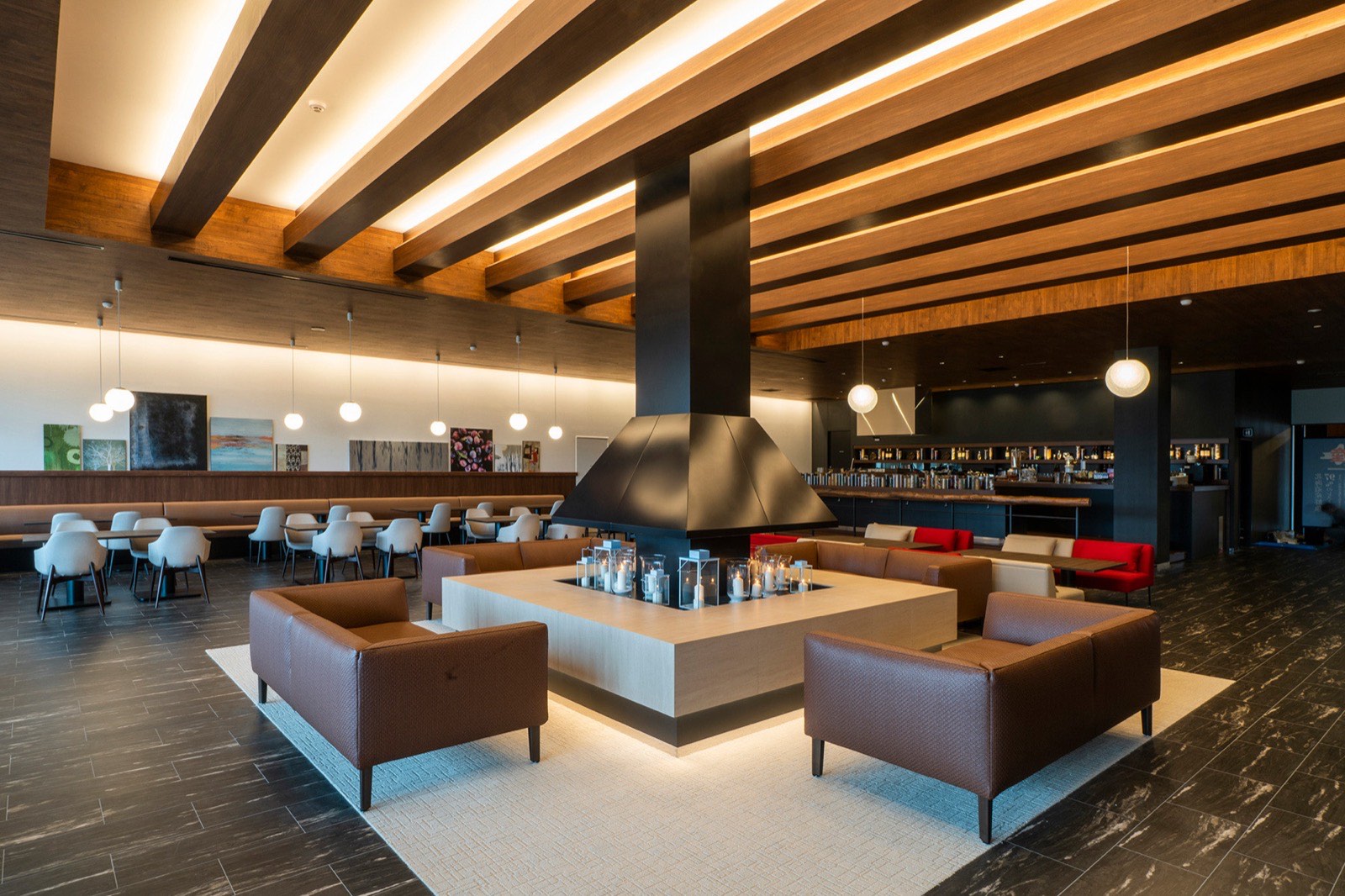 TORIFITO Hotel & Pod Niseko official site
Opens its own site with the green season and the snow season in one sentence, and is not bookable here in summer. 957 reviews at 8.6 out of 10 and ¥293,040 for five peak nights — and one of only three properties on this site whose peak week was already sold out when we last looked, which tells you demand is not what keeps it off the summer calendar.
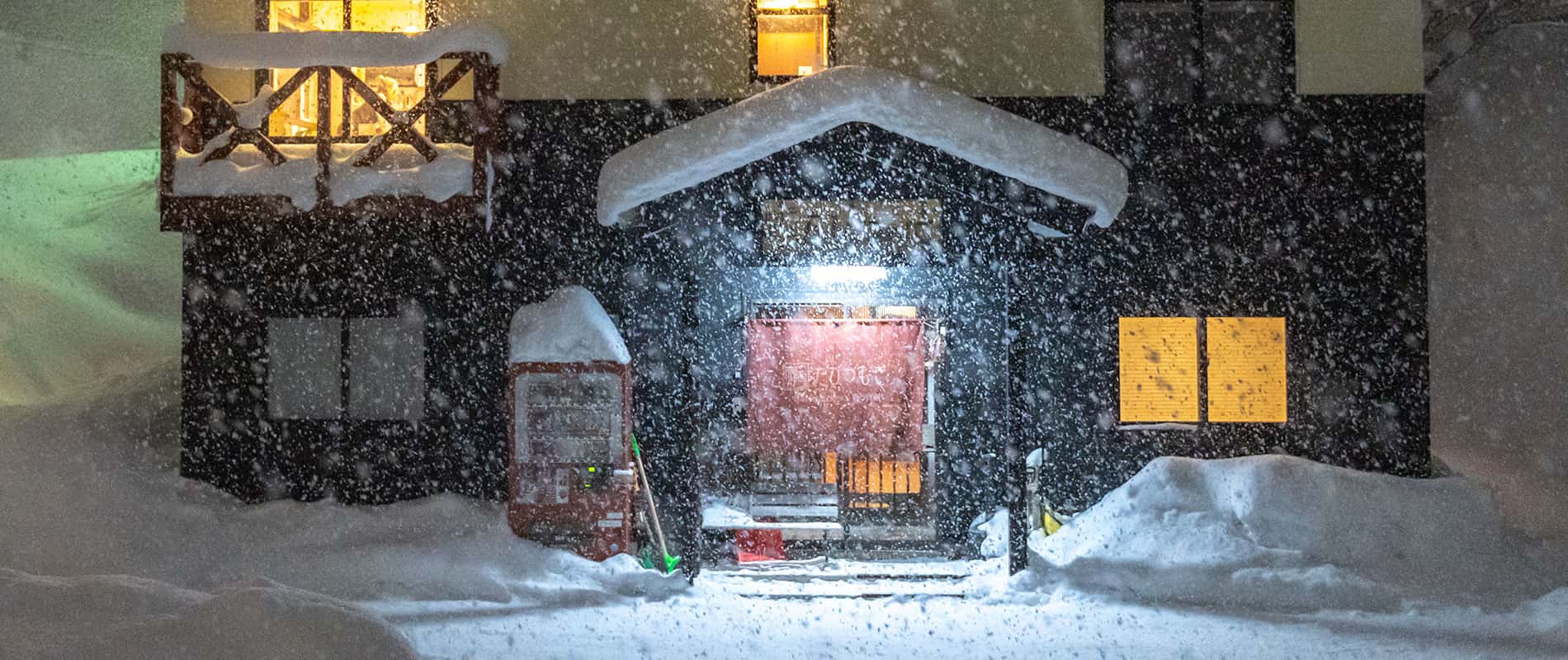 Niseko Tabi-tsumugi Backpackers official site
A Kutchan guesthouse whose own copy sells a location that is quiet through all four seasons, with a transfer to the Mount Yōtei trailhead — a service that only exists in the green season. 161 reviews at 9.7 out of 10 and ¥112,960 for five peak nights, which is close to the lowest peak total anywhere on this site.
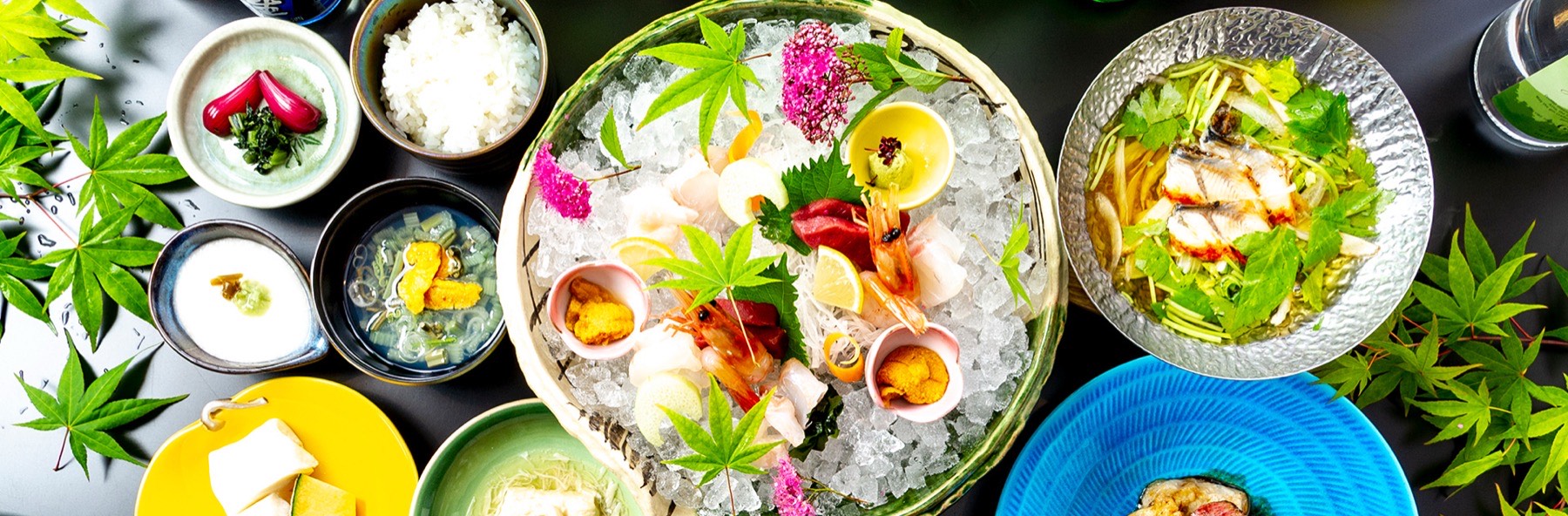 Niseko Onsenkyo Ikoino Yuyado Iroha official site
Annupuri, and the clearest year-round case of the seven: its own site describes visitors coming in summer for sport around Mount Yōtei and in winter for the snow, and names its hot spring bath. 245 international reviews against 247 Japanese ones — almost exactly level, which is rare here. ¥346,500 for five peak nights.
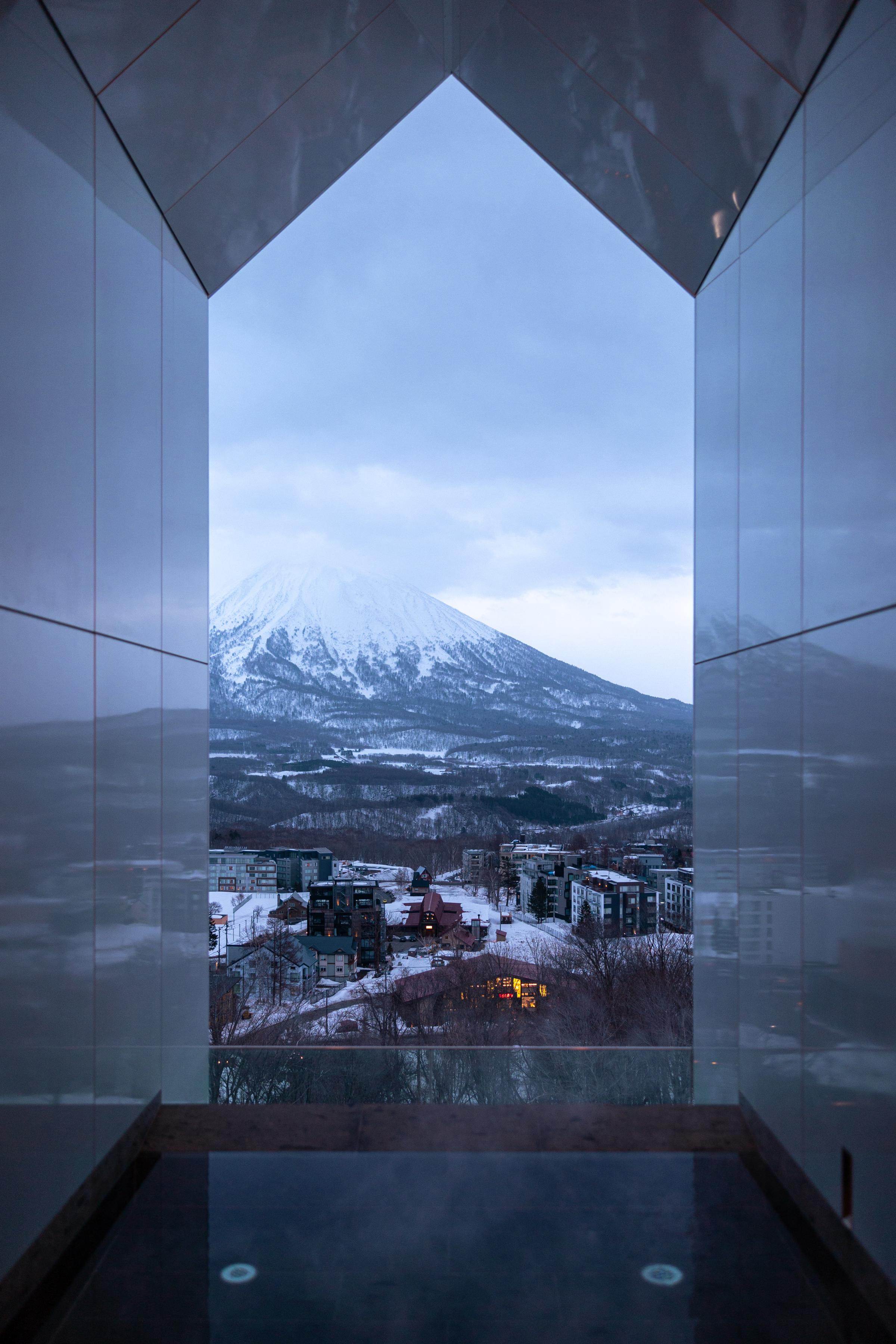 MUWA Niseko official site
Sells summer retreats and an all-season escape in its own English marketing, and shows winter-only on the platform. 57 international reviews against 8 on the Japanese one, 177 photographs on the listing — the second-largest gallery on this site — and ¥1,375,000 for five peak nights.
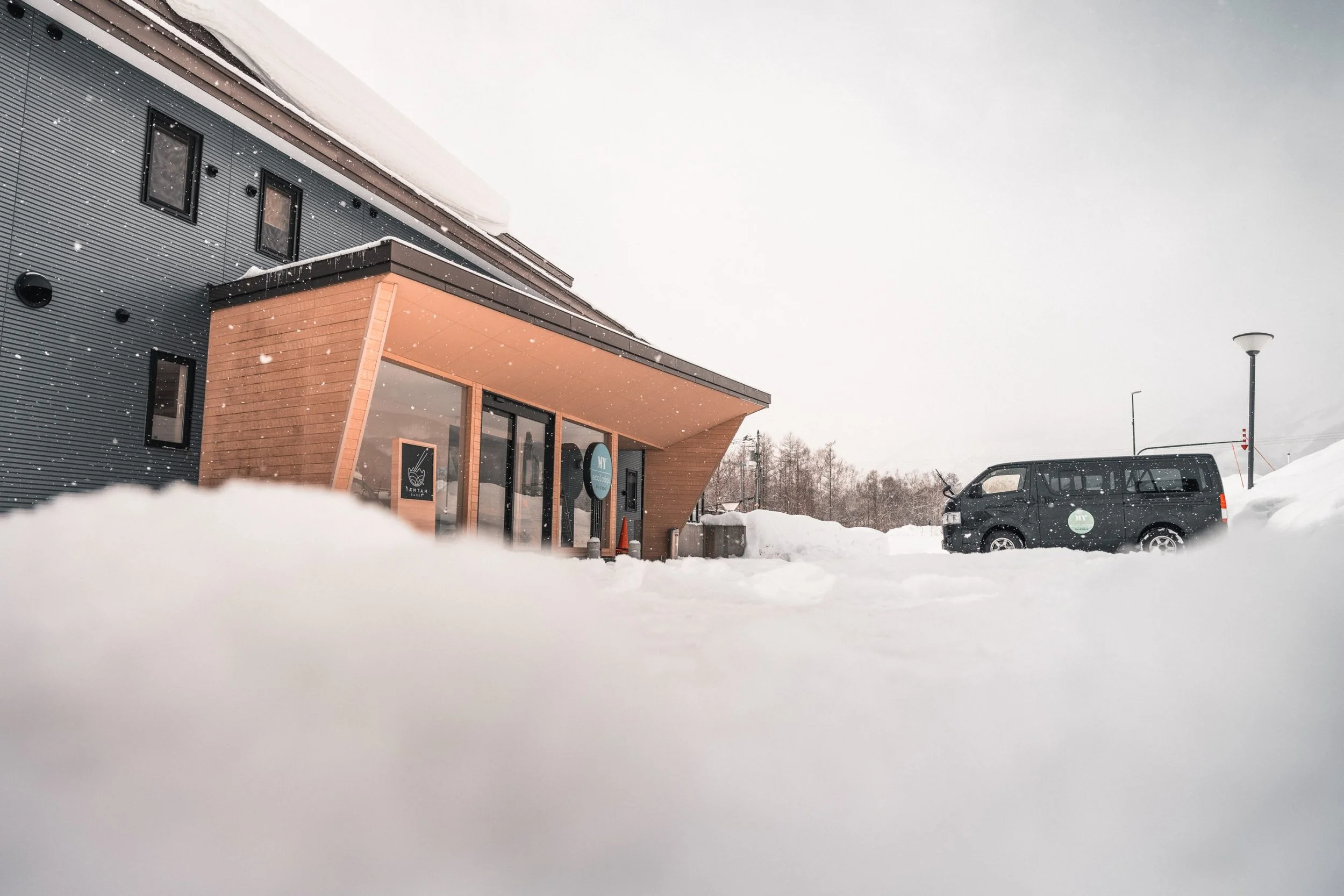 My Ecolodge official site
A Hirafu lodge whose own site offers a memorable winter or summer stay, and which is not sellable here in summer. 518 reviews at 8.5 out of 10 and ¥170,000 for five peak nights, which is roughly a quarter of the Hirafu median.
Where the summer actually is
| Area | Places showing summer availability |
|---|---|
| Annupuri and Konbu | 26 |
| Kutchan town | 17 |
| Hirafu | 9 |
| Niseko Village | 2 |
| Hanazono | 0 |
Read 9 September 2026, from the platforms we track — a property can still take direct bookings we cannot see, which matters most for Hanazono below.
Four in five of the green season is in Annupuri and Kutchan town — and the inversion is the interesting part. Hirafu holds roughly half the valley’s rooms in winter and keeps nine of them open. Hanazono, the smallest and most expensive area, shows no summer availability on any platform we track — though its own operator markets several of the same properties as summer lodging directly, so a closed calendar here is not proof the door is shut.
That is not arbitrary. Annupuri is the onsen side, and hot spring inns have a reason to open in July that a ski-in condominium does not. Kutchan is a working town with a railway station, so its hotels serve people who are not there for the mountain at all.
The summer valley is a different place from the winter one, in a different location.
Look at it against the winter distribution and the reversal is complete. In winter, Hirafu has 148 of the valley’s 314 listings and everything else is a rounding error by comparison. In summer, Hirafu is the third-largest option and Annupuri — which has 97 listings in winter — is the first. The centre of gravity moves about five kilometres down the valley and takes the character of the trip with it.
What kind of place stays open
| Kind | Open in summer |
|---|---|
| Hotels | 34 |
| Chalets and houses | 12 |
| Pensions and ryokan | 6 |
| Hostels | 1 |
| Apartments | 1 |
Apartments and condominiums — the category built around ski trips — close almost completely. What remains is weighted towards hotels and towards the family-run inns that have been in the valley since before it was a ski destination.
The logic is about fixed costs rather than demand. A hotel with staff, a kitchen and a front desk can run at low occupancy and lose less by opening than by closing. A serviced apartment building whose entire revenue model is six weeks of February has nothing to gain from staffing a lift-less August. And a family-run pension is a household as well as a business; the household does not go anywhere in July.
What the fourteen have in common, and what they do not
Fourteen of the summer-open properties have enough public record for a page here. That is a short list, and a short list invites the assumption that it has been curated. It has not. Set the fourteen against the sixty-nine that close, on the numbers we hold for both:
| Open in summer | Winter only | |
|---|---|---|
| Places with a page here | 14 | 69 |
| Median review score | 8.7 | 9.0 |
| Median review count | 77 | 115 |
| Median photographs on the listing | 42.5 | 57 |
Read 9 September 2026.
The summer group scores slightly lower, is reviewed slightly less, and — the line that gives the game away — publishes noticeably fewer photographs. That last column is worth more than it looks. Across the properties here that publish a peak price, those with eighty pictures or more on their listing quote a median of ¥582,354 for five peak nights, and those with fewer than forty quote ¥220,000. A short gallery is the signature of a working business rather than a marketed asset — a pattern the review-score article reaches from the other direction.
So the conclusion runs backwards from the intuitive one. Summer availability in Niseko correlates with being less sold, not more. The exceptions sit at the very top — the Ritz-Carlton Reserve and Hinode Hills both take green-season bookings — but the middle of this list is small operators who simply never stopped, and their listings look like it.
Eight of the fourteen are hotels, three are pensions or lodges, two are whole houses and one is an apartment. Two of them, the Annupuri Oasis Lodge and the Annupuri Mountain View Lodge, carry near-identical descriptions of their own position relative to the same gondola, quote the same ¥215,000 for five peak nights, and score 9.3 and 9.2. In winter that would read as a coincidence. In a market of fourteen it reads as what it is: the same kind of operation, twice.
The price
Among properties publishing both a peak-winter and a summer rate, the summer price is about half the winter one at the median. The tail goes much further: several Hirafu properties quote between a fifth and a quarter of their February rate.
The effect is largest where the winter premium is largest. A place charging for ski-in access in February has nothing to charge for in August, and prices accordingly.
Every yen figure in this article is a peak-winter five-night total, because that is the unit the valley quotes in and the unit that lets you compare properties against each other. Each figure is whatever room type and guest count that property’s Booking.com listing was quoting as cheapest at the time, not a fixed configuration we chose — read them as position in the market, not as what you will pay in July. The summer number is roughly half, and further below that where the property’s winter price was built on lift access.
Getting here without the ski bus
The transport problem is the one summer visitors underestimate, and it follows from the same seasonality.
The direct airport bus everyone plans around is a winter service with a published operating period, and outside that window it does not run at all. So the three-hour leg from New Chitose becomes the railway — the Rapid Airport Express to Otaru at about 72 minutes, then a local train of about 90 minutes through Kutchan — or a car.
This is a large part of why Kutchan keeps 17 places open. In February the station is a compromise you accept for the price. In August it is the reason the town works at all. Details are in getting to Niseko.
Who this trip is for
Not for someone who wants the Niseko they have read about. The restaurants that make Hirafu worth staying in mostly close, the lifts stop, and the village is quiet in a way that reads as empty if you were expecting otherwise.
It is a good trip if you want the mountains without the market — Mount Yōtei from a quiet road, an onsen you have to yourself, and a room at half price. Book in Annupuri or Kutchan, because that is where it is, and check the property’s own site for its season rather than trusting an availability calendar to tell you what it means.
Put as a decision: if the reason you are coming is the mountain, summer works. If the reason you are coming is Niseko as a destination, it does not. The valley’s reputation is built almost entirely on things that only exist between December and March.
The stays that are open, and what each is for
Fourteen of the summer-open properties have enough public record to write about in detail. They are not interchangeable, and they sort more usefully by what kind of week they produce than by which area they sit in.
One building solves everything
The simplest summer trip, and the one that survives a late arrival or bad weather without requiring a plan. These are hotels large enough to have their own dining, which matters more in August than in February because the surrounding hospitality is thinner.
Hilton Niseko Village official site965 reviews at 8.1 out of 10 — the largest sample in the valley — and one of only two Niseko Village properties that stay open. Its peak-winter five nights run ¥505,817; in summer it is the most straightforward booking on this list.
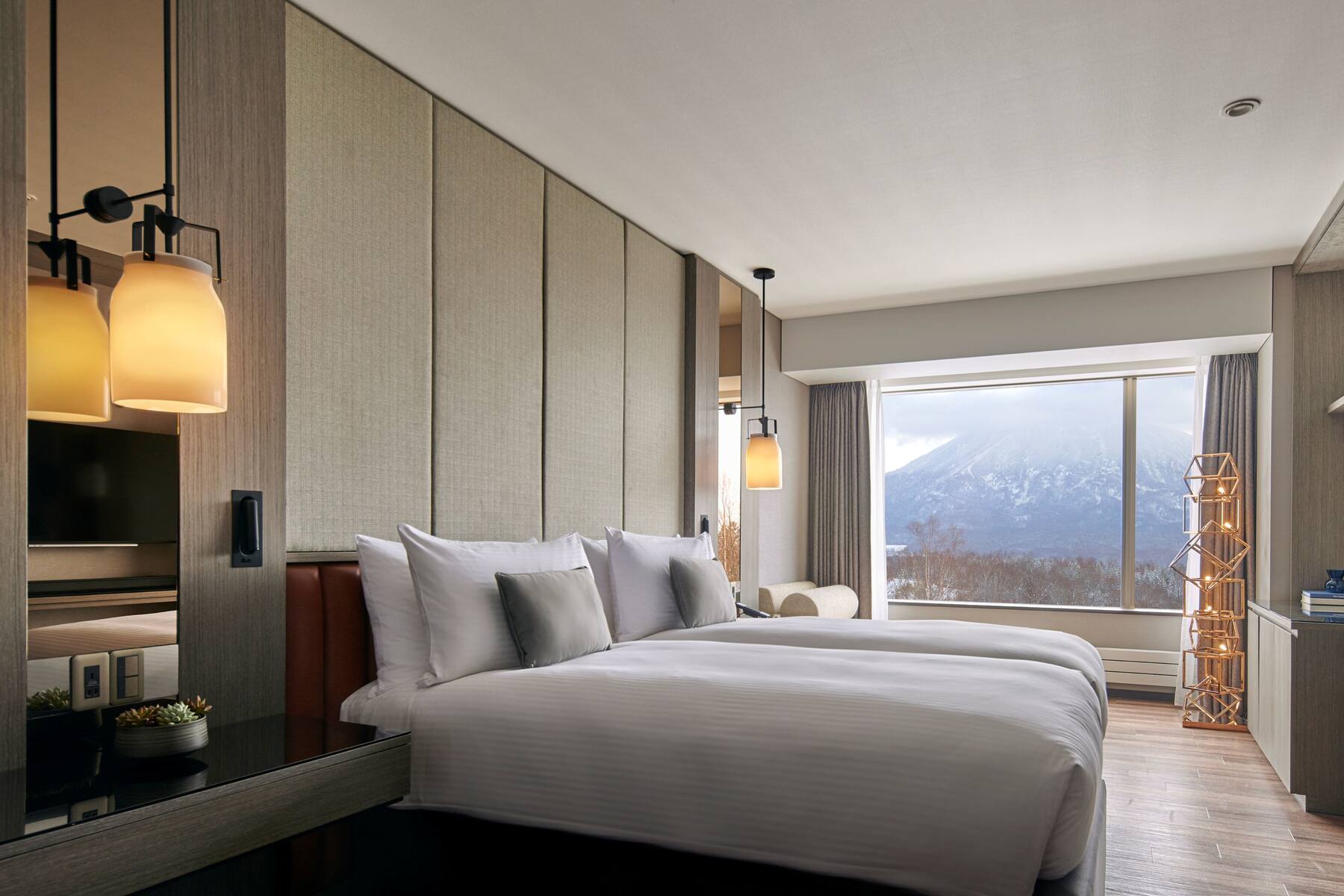 Hinode Hills Niseko Village official site
202 reviews at 9.0 out of 10, the other Niseko Village property that opens, at ¥866,100 for five peak nights. The same location as the Hilton, bought at a different level.
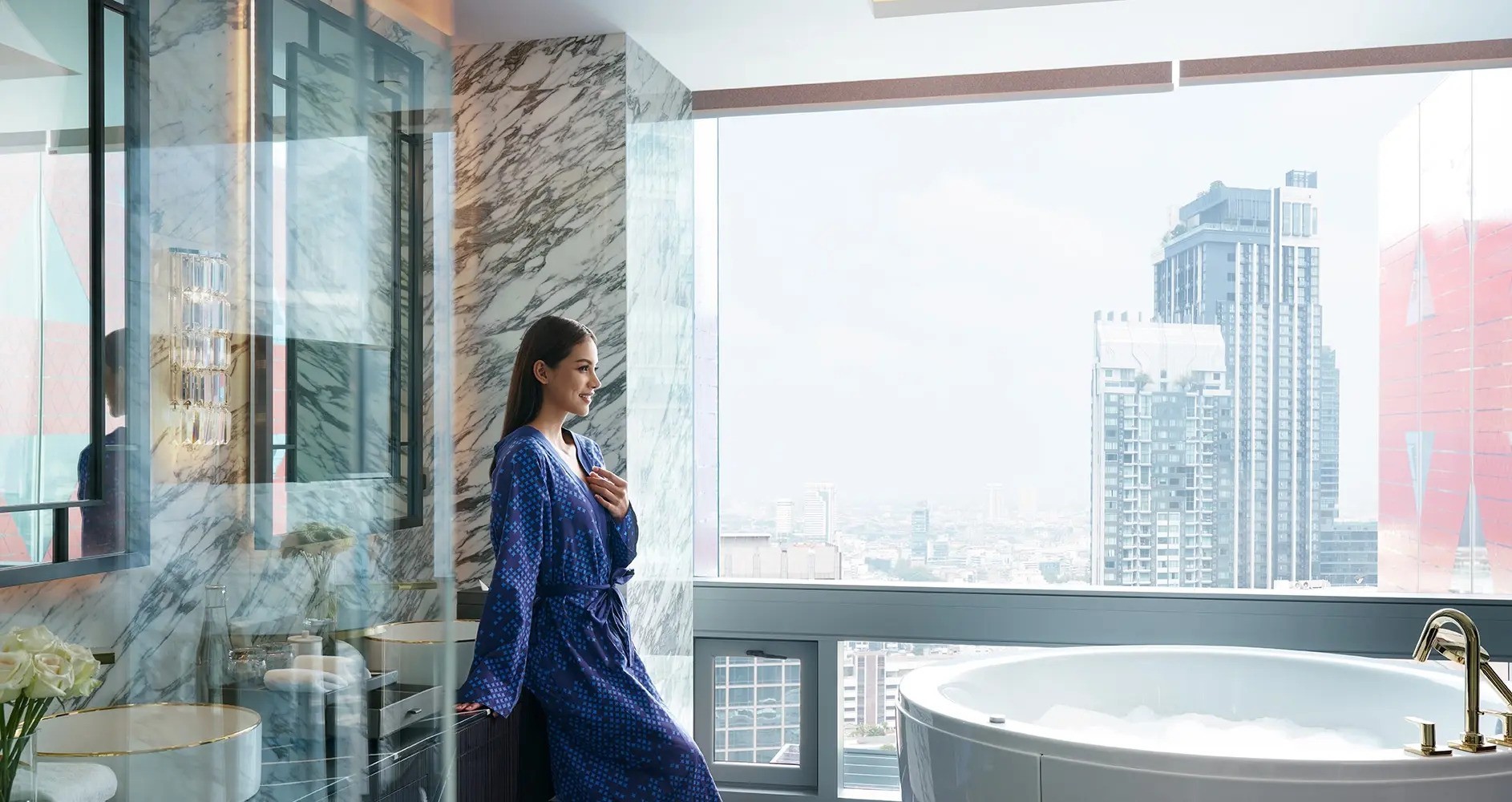 Chatrium Niseko Japan official site
278 reviews at 9.1 out of 10 and ¥810,000 across five peak nights. One of the nine Hirafu properties that takes summer bookings, which makes it the practical answer for anyone who wants the village specifically in the green season.
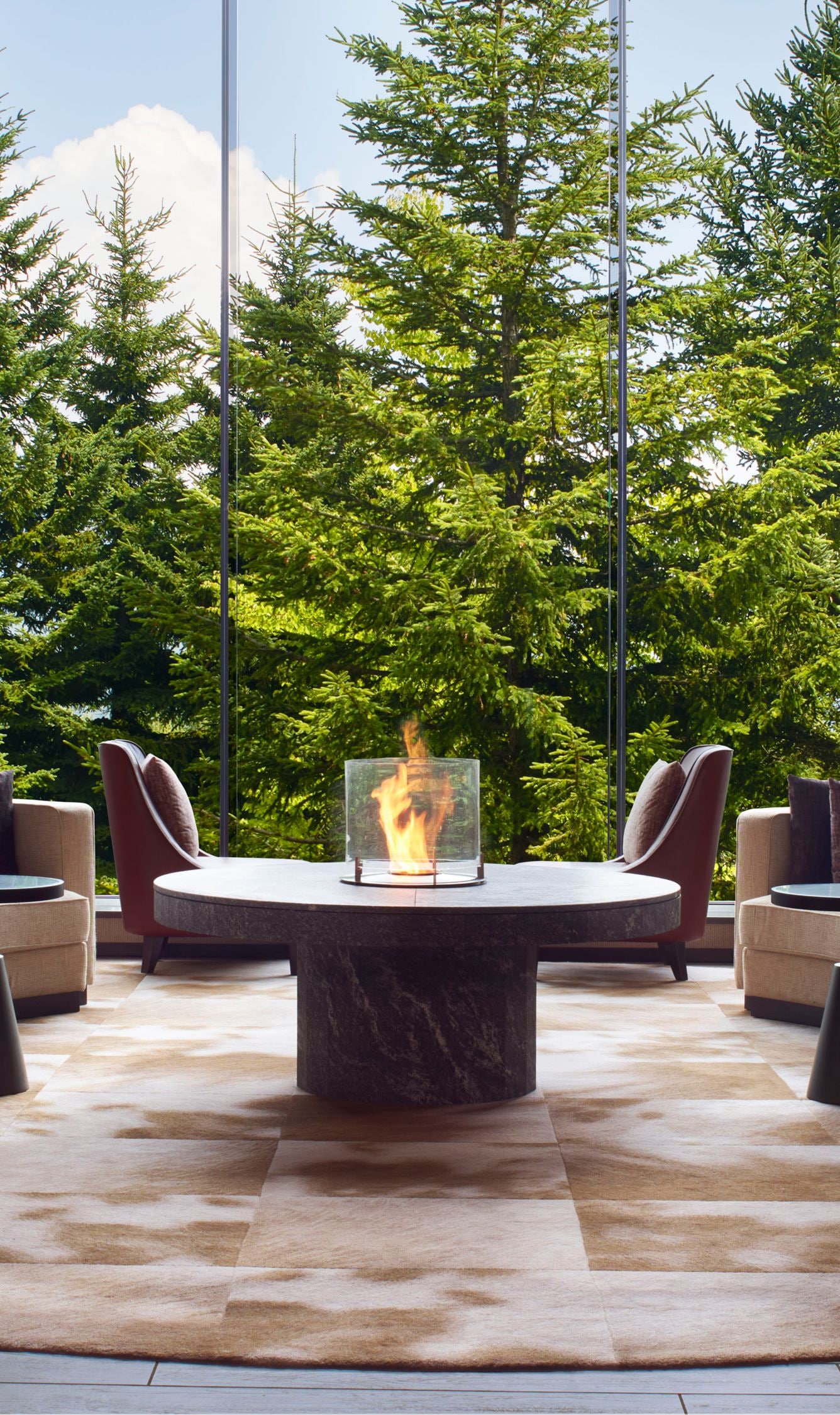 Higashiyama Niseko Village, a Ritz-Carlton Reserve official site
63 reviews at 8.9 out of 10 and ¥1,402,500 for five peak nights — the top of the summer-open list by a distance. Worth knowing exists, and worth knowing that the summer rate is not the winter one.
The small lodges, which are the real green season
This is where the price advantage lives, and where the valley looks most like the place it was before it became a ski destination. Small operations, high scores, and totals that are a fraction of what the resort hotels quote.
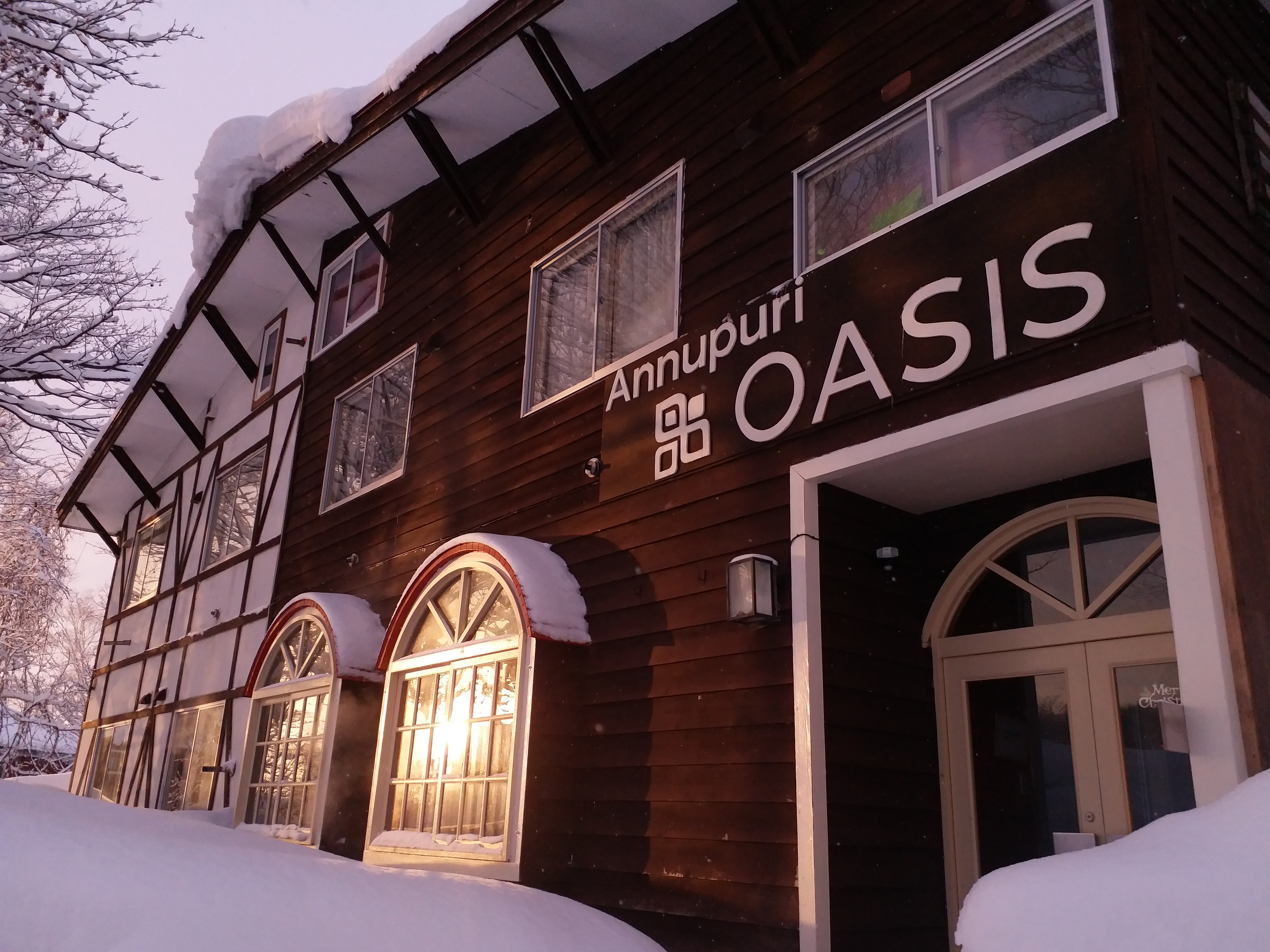 Annupuri Oasis Lodge official site
122 reviews at 9.3 out of 10 and ¥215,000 for five peak nights, or about ¥43,000 a night at the winter peak. One of the highest-scoring summer-open stays on the site.
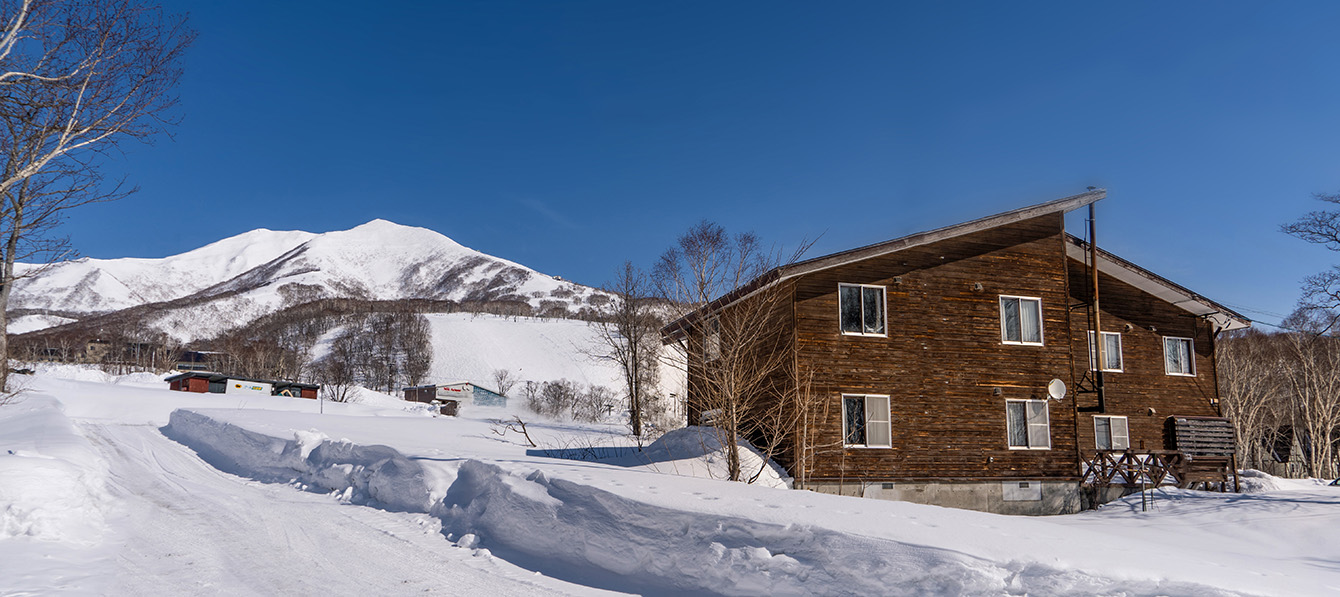 Annupuri Mountain View Lodge official site
106 reviews at 9.2 out of 10 at the same ¥215,000 across five peak nights. Small, well-reviewed, and open through the green season — the combination this article is really about.
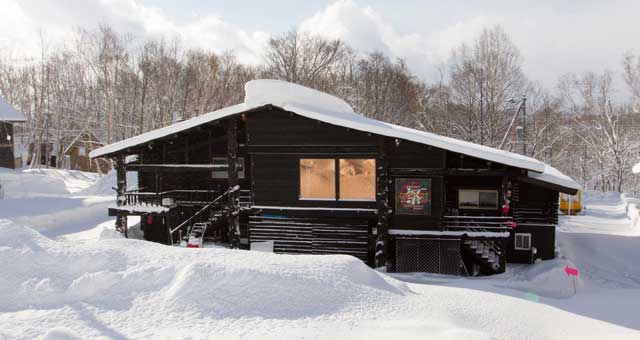 Niseko Backcountry Lodge official site
83 reviews at 7.8 out of 10 and ¥158,400 for five peak nights, the lowest total among the summer-open stays here. The score is telling you it is a lodge rather than a hotel, which is not the same thing as a complaint.
57 reviews at 9.2 out of 10, with sub-scores of 9.8 for cleanliness, comfort and facilities alike — an unusually flat and unusually high profile. ¥550,000 across five peak nights.
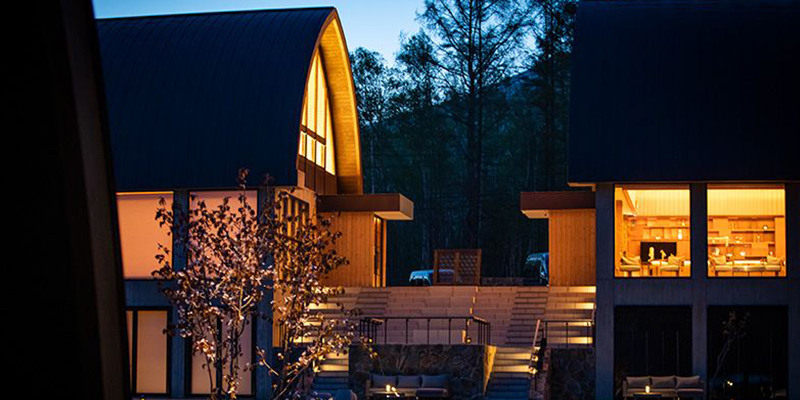 Andaru Collection Niseko official site
45 reviews at 8.5 out of 10 and open in summer. The peak-season total is not published, which is itself common among the smaller summer-open properties — ask directly rather than inferring from a winter calendar.
A kitchen, and a base
The strongest summer format, because the green season is a driving-and-hiking trip more than a restaurant trip, and because much of the valley’s eating closes with the snow. A whole house or an apartment turns that from a problem into the plan.
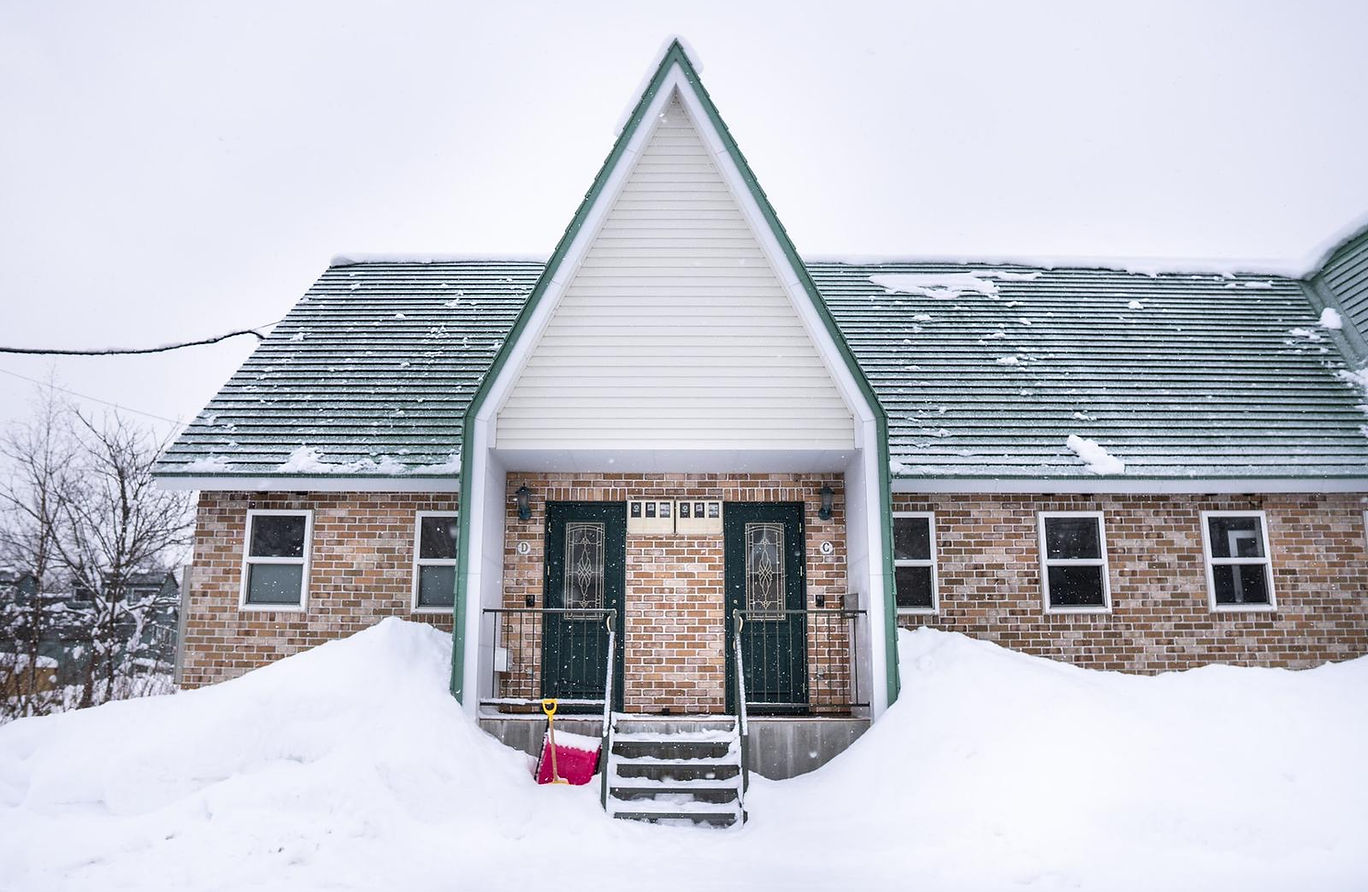 Niseko Ski Lodge official site
42 reviews at 8.5 out of 10 and ¥397,800 across five peak nights, as a whole property with a covered deck. Sub-scores run 9.4 for comfort against 8.8 for cleanliness — the usual shape for a self-catering house rather than a serviced hotel.
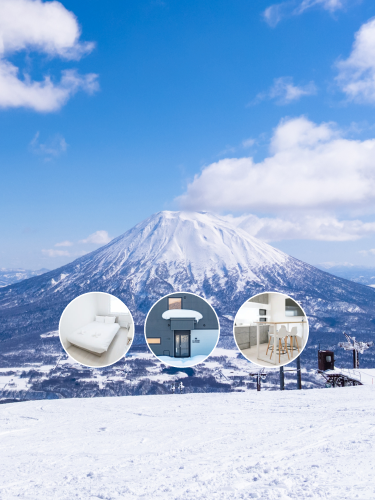 JL HOUSE Kutchan official site
100 reviews at 7.9 out of 10 and ¥284,000 for five peak nights, in Kutchan and open through summer. A whole house within reach of the town's supermarkets, which is the practical version of self-catering here.
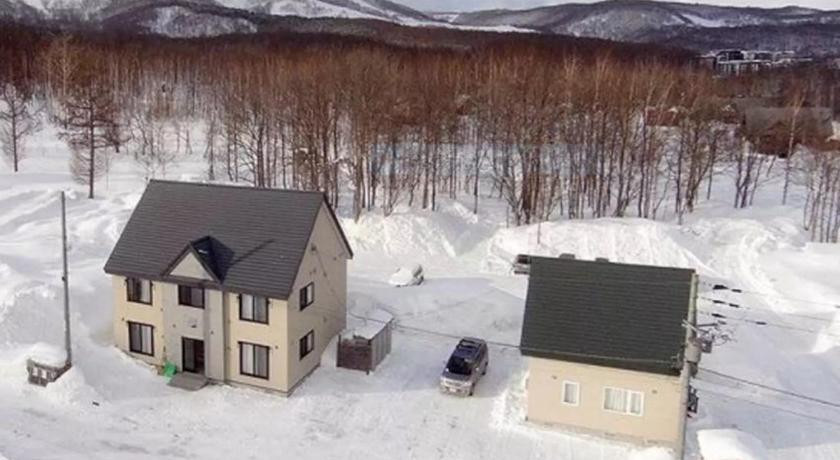 Trailside Apartments Niseko official site
69 reviews at 8.4 out of 10 and ¥312,000 across five peak nights. One of the very few apartment-format stays that does not close in the green season — the category otherwise shuts almost completely.
61 reviews at 7.5 out of 10 and ¥338,625 for five peak nights, in Kutchan. Sub-scores of 8.6 for cleanliness against 7.7 for facilities are the honest summary: it is space and a kitchen rather than a hotel.
The town
Kutchan keeps 17 places open, more than anywhere except Annupuri, and in summer its argument is stronger than in winter: a railway station, supermarkets, and no daily commute to a lift because there is no lift running.
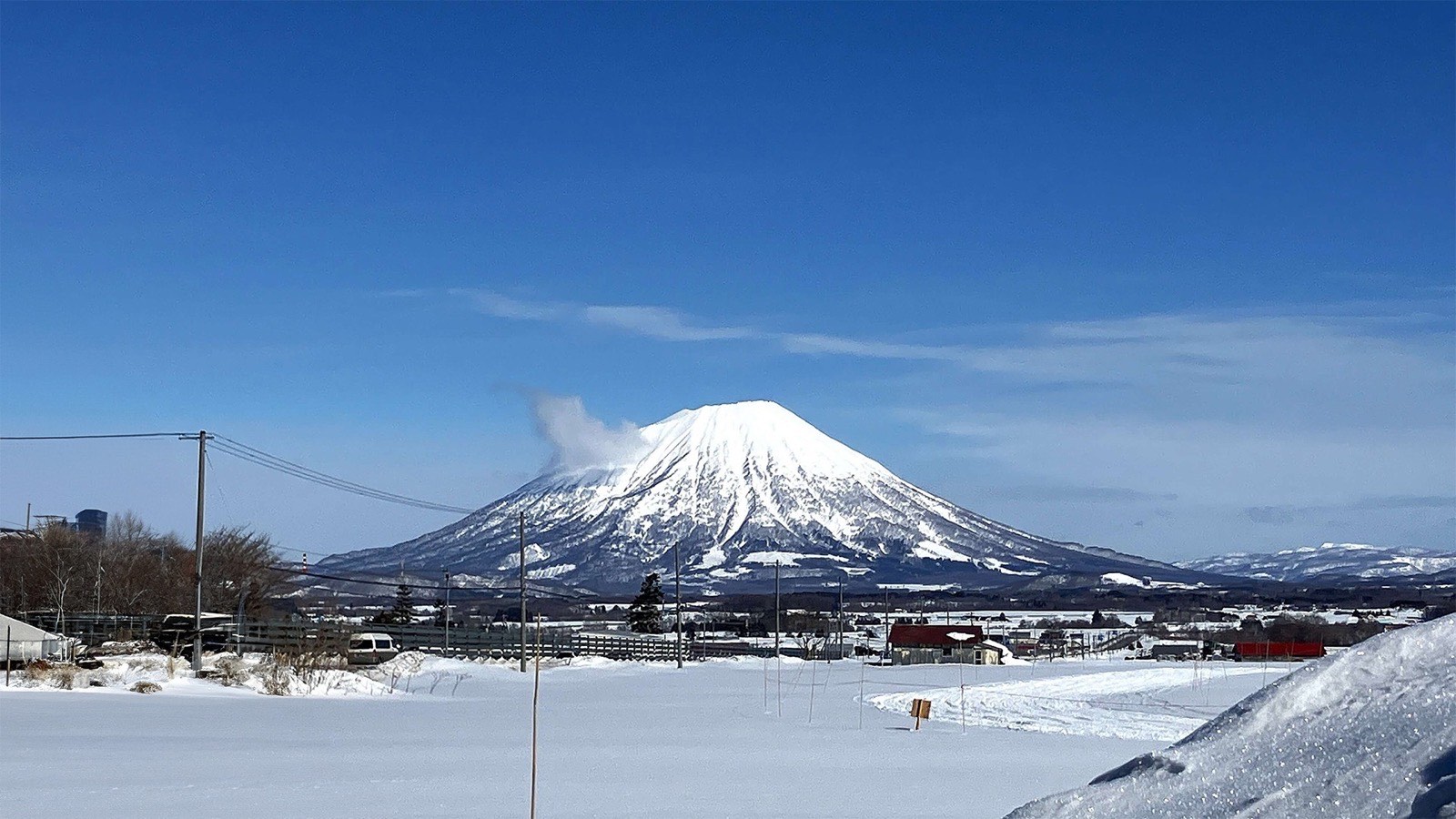 Hotel Login Niseko official site
71 reviews at 9.1 out of 10 and ¥372,960 for five peak nights, in Kutchan and open in summer. Sub-scores lead with 9.7 for cleanliness, which is the kind of profile a small town hotel earns rather than buys.
Why Annupuri holds the green season
Twenty-six of the fifty-four is a majority, and it is not an accident of who happened to stay open.
Annupuri’s accommodation mix is unlike the rest of the valley’s. Of the 97 places listed on that side, 33 are whole villas or chalets and 18 are family-run pensions or ryokan — the highest concentration of both anywhere in Niseko — against 44 hotels. Hirafu, by contrast, is 94 hotels out of 148. The formats that stay open in summer are precisely the formats Annupuri has most of.
Underneath that sits the water. Konbu Onsen is a hot spring area with its own name and its own inns, and those inns predate the ski industry by a long way. A ryokan built around a bath has a year-round reason to exist; a condominium built around a lift does not. The same logic explains why the summer-open list skews towards small operations with high scores and low totals rather than towards the recognisable resort names.
It is also the part of Niseko that international visitors have most conspicuously not found. Several Konbu inns carry far more reviews on the Japanese booking platform than on the international one — a pattern examined in how to read a Niseko review score — which in practice means a quieter August and a more domestic guest list than the rest of the valley delivers in any month.
The full case for the area, including what it costs, is in choosing a Niseko area and Niseko onsen stays.
What a summer week is built around
This site is about where to sleep rather than what to do, and current operators and opening dates are best checked with the local tourism bodies. But the shape of the trip decides the accommodation, so it is worth stating plainly.
The green season here is built on four things: rafting on the Shiribetsu river, hiking on Annupuri and on Mount Yōtei, cycling the valley roads, and the onsen — which run year-round and are emptier in August than at any point in the winter.
Every one of those is a daytime activity that starts somewhere other than your front door, which is why the summer accommodation question is different from the winter one. In February the thing that matters is the distance to a lift. In August nothing you want to do is next to your building, so the questions become: is there parking, is there a kitchen, and is the evening handled — because the restaurant that would have handled it in February may not be serving.
That is also why a hotel with its own dining and a whole house with a kitchen are both sensible summer answers, and why the middle option — a room with no kitchen in an area with no open restaurants — is the one to avoid.
The shoulder months are the real trap
April, May, October and November are worse than August, and they catch more people out.
In the deep green season a property is either open or it is not, and the list above holds. In the shoulders it is neither: a place may open for part of the month, close for maintenance, run a reduced service, or take bookings on its own site and not on the platforms. The lifts have stopped or not yet started. The bus is outside its operating period at both ends.
The practical rule is that an availability calendar tells you what is bookable, not what is operating, and the gap between those two is widest exactly in these weeks. If your dates fall outside December to March and outside July and August, confirm directly with the property before you book anything else — flights included.
What closes that you may not expect
Three things catch people out, and none of them is the accommodation.
The eating. Much of Hirafu’s restaurant district is seasonal, and the on-mountain venues at Niseko Village and Hanazono are mostly winter-only by design, because they sit next to lifts that are not turning. A place that was the highlight of someone’s February is not necessarily serving in August. This is the strongest argument for a kitchen, and it is worked through in eating in Niseko.
The bath. A hotel’s own onsen can close out of season even when the rooms do not. Where the bath is the reason you booked, confirm it with the property directly rather than assuming that an open hotel means an open bath.
The shuttles. The network that links the four ski areas and the villages exists to move skiers, and its winter frequency is a winter fact. In the green season, assume you are either driving or planning around a much thinner timetable.
Booking a summer trip, in order
Start from what is open, not from your dates. The list is one in six of the valley, and it is concentrated in two areas. Everything else follows from it.
Then decide whether you are self-catering. In August this is a bigger decision than in February, because the restaurant fallback is weaker. If the answer is yes, you are looking at a whole house or one of the few apartments that stay open, and probably at Kutchan for the supermarkets.
Then check the property’s own site for its season. An availability calendar tells you what is bookable, not what is operating, and the two diverge most in shoulder months — April, May, November — where a property may be open for part of the month and shut for the rest.
Then solve the transport. No ski bus. Railway or car, and if it is a car, book it when you book the room.
The answers, condensed
- Is it open? One place in six. Start from that list, not from your dates.
- Where? Annupuri and Kutchan town hold four in five of it. Hirafu keeps nine places. None of Hanazono’s show up on the platforms we track — ask its operator directly before ruling it out.
- What does it cost? About half the winter price at the median, and a fifth to a quarter at the properties whose winter price was built on lift access.
- How do I get here? Not by ski bus. The railway or a car.
- Should I self-cater? More often than in winter, because much of the eating closes with the snow.
- Is it worth it? If you want the mountains quiet and cheap, yes. If you want the Niseko people write about, no — that place exists for about four months a year.
What we do with this
Every stay on this site says whether it opens in summer, on its own page, in words. It is one of the few facts we hold for all of them, and it is the one most likely to change a plan.
Ordered by review count. If a place is not here, it is either closed for the season or has too little public record for a page.
Hilton Niseko VillageNiseko VillageOnsen¥101,163 (~$640)/night · 5-night peak avgChatrium Niseko JapanHirafu¥162,000 (~$1,025)/night · 5-night peak avgHinode Hills Niseko VillageNiseko Village¥173,220 (~$1,096)/night · 5-night peak avgAnnupuri Oasis LodgeHirafu¥43,000 (~$272)/night · 5-night peak avgAnnupuri Mountain View LodgeAnnupuri¥43,000 (~$272)/night · 5-night peak avgJL HOUSE KutchanKutchan¥56,800 (~$359)/night · 5-night peak avgNiseko Backcountry LodgeAnnupuri¥31,680 (~$201)/night · 5-night peak avgHotel Login NisekoKutchan¥74,592 (~$472)/night · 5-night peak avgTrailside Apartments NisekoHirafu¥62,400 (~$395)/night · 5-night peak avgHigashiyama Niseko Village, a Ritz-Carlton ReserveNiseko VillageOnsen¥280,500 (~$1,775)/night · 5-night peak avgNiseko Hirafu Ski Resort CondoKutchan¥67,725 (~$429)/night · 5-night peak avgDharma NisekoHirafu¥110,000 (~$696)/night · 5-night peak avgQuestions
- Is Niseko open in summer?
- Partly. Of the places bookable from outside Japan, fifty-four take summer reservations — about one in six. The rest close when the snow goes. Booking sites show those dates as sold out rather than saying the property is shut for the season, which is why the closure surprises people.
- Which part of Niseko is open in summer?
- Annupuri and Kutchan town hold four in five of everything that stays open. Hirafu — which has roughly half the valley's accommodation in winter — keeps only nine places. None of Hanazono's properties show summer availability through the platforms we track, though its operator markets some of the same properties directly for the green season.
- How much cheaper is Niseko in summer?
- Among properties publishing both a peak-winter and a summer rate, the summer price sits at about half the winter one. At the far end it is much steeper: several Hirafu properties quote a quarter or a fifth of their winter rate.
- What is there to do in Niseko in summer?
- Rafting on the Shiribetsu river, hiking on Annupuri and Mount Yōtei, cycling the valley roads, and the onsen — which are open year-round and much quieter than in February. This site covers where to sleep rather than what to do, so check the local tourism bodies for current operators.
- Are the onsen open in summer?
- The hot spring inns in the Konbu area are the backbone of the summer season, and it is not a coincidence that Annupuri keeps the most rooms open. But a bath inside a hotel can close out of season even when the rooms do not — confirm with the property rather than assuming.
- Can I ski in Niseko in summer?
- No. The season runs roughly December to March, and the lifts stop. If snow is the reason you are coming, summer is the wrong trip.
- Is it worth going to Niseko in summer?
- If you want the mountains at half the price with a fraction of the people, yes. If you want the Hirafu of the ski season — the restaurants, the bars, the crowd — no. Most of that closes with the snow, and the village in August is a quiet place.
- Why does a property show no summer availability when its own website sells summer stays?
- Because the two are different measurements. The international booking platform only shows what a property has loaded into a public summer calendar, and several Niseko properties take their green-season business by email, by telephone or through a Japanese-language site instead. Seven of the eighty-three places with a page here describe a green season in their own words while showing nothing bookable in summer. If a property you want looks shut, write to it before you believe the calendar.
- Do the summer-open properties in Niseko cost more because there are fewer of them?
- No. Their median peak-winter total is close to the rest of the valley's, and their listings carry fewer photographs and slightly fewer reviews than the properties that close. Staying open in summer in Niseko correlates with being a smaller, less marketed operation, not a scarcer or more expensive one.
- When does Niseko close for the season?
- Winter operations wind down through late March and the valley empties from April. Summer bookings pick up around July and August at the properties that stay open. Exact dates move each year and each property sets its own, so check before you commit to flights.