How to read a Niseko review score, and why 9.8 usually means nothing
Sixty-one places in Niseko score 9.5 or better. Their median review count is three. Here is what the numbers on a booking page are actually telling you.
Jun Uchiyama · Last updated September 2026

The scores on a Niseko booking page are almost all excellent, which is another way of saying they do not discriminate. Read across the whole valley and a pattern appears that makes the numbers useful again.
The pattern has three parts, and all three run against the way people normally read a listing. High scores mostly mean small samples. The sub-scores are nearly identical everywhere, so only the gaps inside one property carry information. And the number that tells you most about a property is not the score at all — it is how its review count splits between the Japanese platform and the international one.
The 9.5 club has three reviews
Sixty-one properties bookable here score 9.5 or better. Their median review count is three.
That is not a scandal — it is arithmetic. A place with three guests, all of whom had a good week, scores near ten. The number is real. It is just not evidence of anything except that three people were happy.
The mechanism is worth being explicit about, because it explains everything that follows. A score is a mean, and the variance of a mean falls with sample size. With three reviews a single delighted guest moves the number by several tenths; with five hundred, nothing any individual guest writes moves it at all. So the top of the leaderboard is populated not by the best properties but by the ones with the fewest observations, and the effect gets stronger the higher up the table you look.
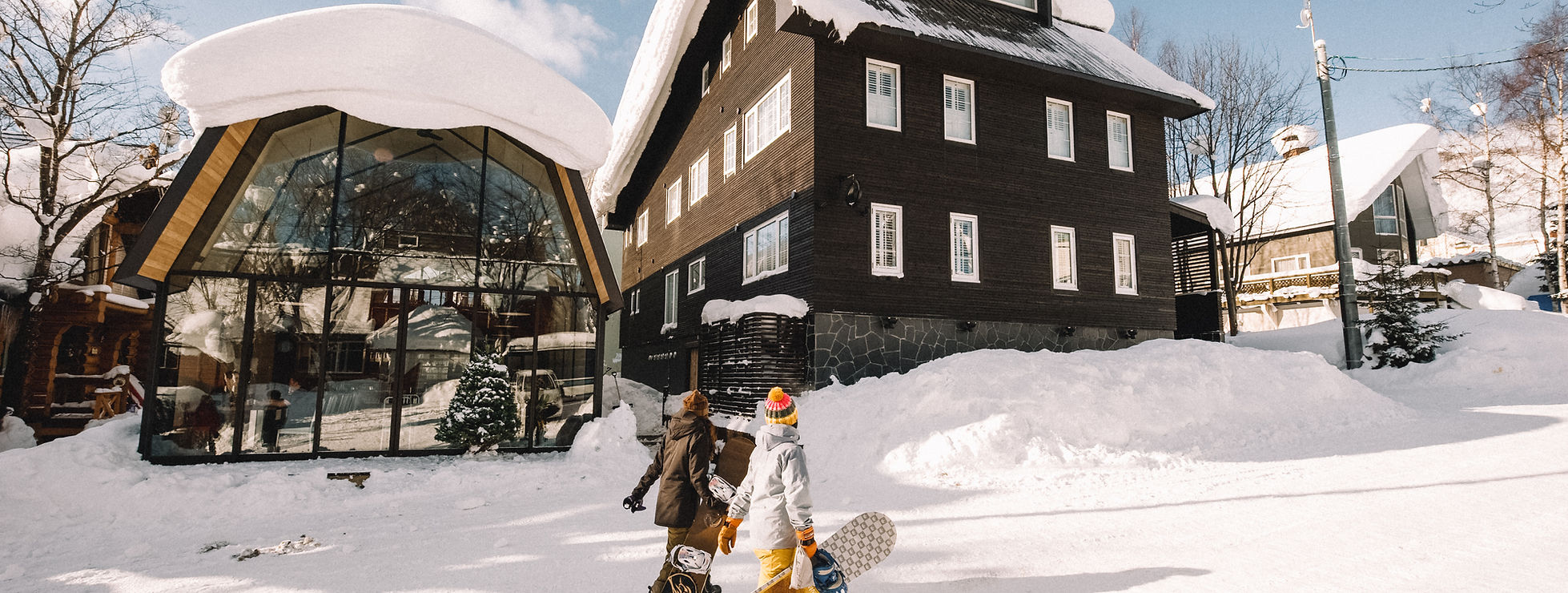 Kimamaya Boutique Hotel · kimamaya.com
9.8 out of 10, with sub-scores of 10 for cleanliness, 10 for comfort and 10 for facilities — across 54 reviews. A perfect triple is not a claim about perfection; it is what a small sample of contented guests looks like when the platform rounds.
And the busiest places score worst
Group everything by how many reviews it carries, and the direction is consistent.
| Reviews | Places | Median score |
|---|---|---|
| 30 – 100 | 36 | 9.1 |
| 100 – 300 | 31 | 9.0 |
| Over 300 | 16 | 8.5 |
Read 9 September 2026.
The valley’s most-reviewed hotels sit at 8.1 to 8.6. That is not because they are the worst places in Niseko. It is because they are graded by everybody who came — including the family who wanted a village and got a resort, and the couple who booked the cheapest room and found it small.
A big number attracts the people a place does not suit. A small one does not.
There is a selection effect underneath the sampling one. A property with six reviews is usually booked by people who already knew what they were getting — a returning guest, a referral, someone who read the whole listing because there was so little else to go on. A property with nine hundred is booked by everyone, including people who filtered by price and clicked the first result. The second guest list is harsher, and it is also the guest list you are about to join.
Hilton Niseko Village official site965 reviews at 8.1 out of 10 — the largest sample in Niseko and one of the lowest scores among the big hotels. Sub-scores of 8.6, 8.6 and 8.4 say the same thing three times: a lot of people stay here and a lot of them find it fine rather than remarkable.
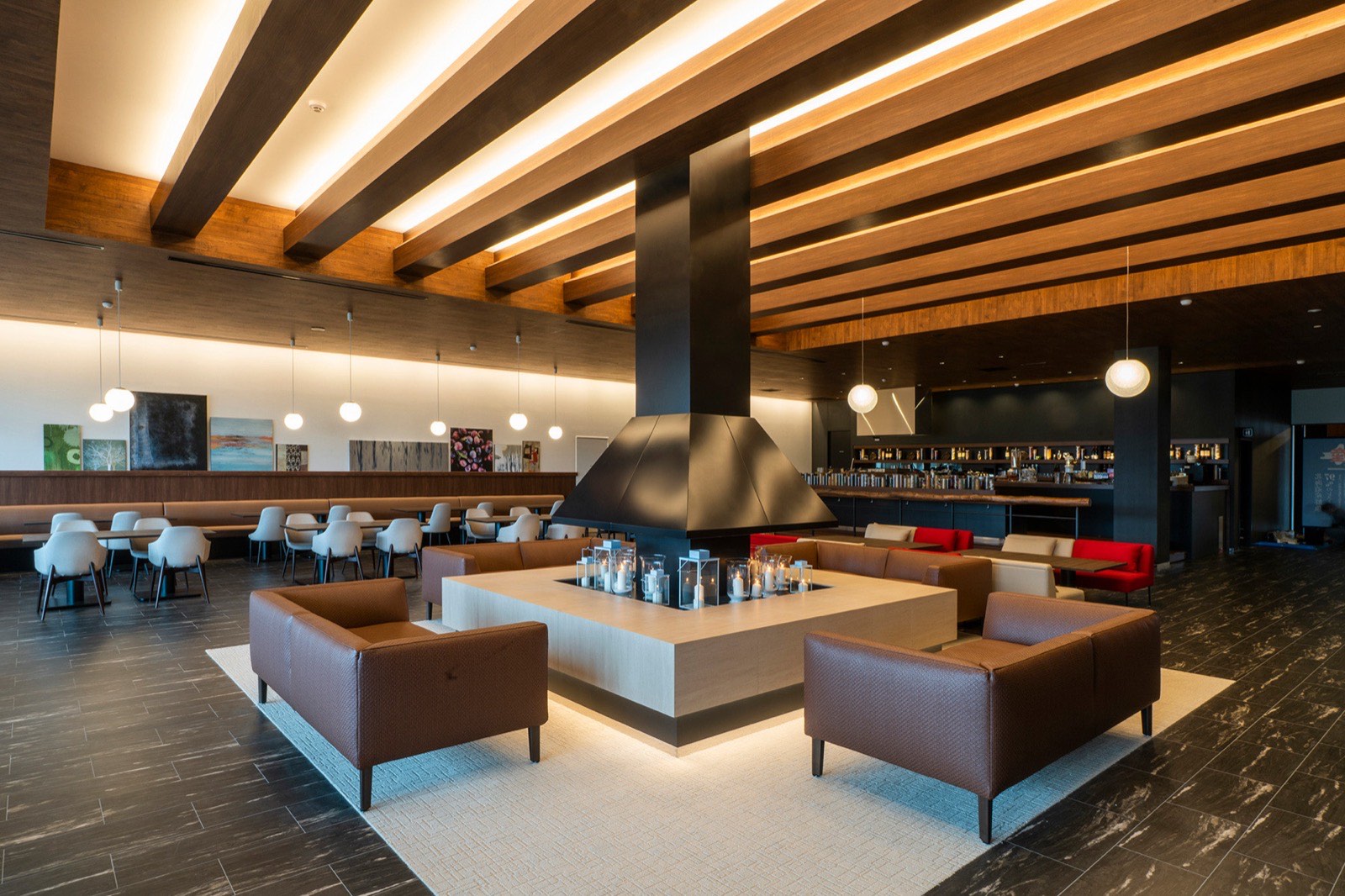 TORIFITO Hotel & Pod Niseko official site
957 reviews at 8.6 out of 10, with sub-scores of exactly 9.0 for cleanliness, comfort and facilities alike. A pod hotel in Kutchan, and about as consistent a large-sample profile as the valley produces.
371 reviews at 7.8 out of 10 in Hirafu, with sub-scores of 8.1, 8.0 and 8.0 — every individual part of the stay rated above the headline. Twelve of the sixteen properties past three hundred reviews do the same. The headline is not an average of the parts; it is a separate question about whether the week was worth it, and a sample this large is where that question gets asked by the people the place was never going to suit.
The two exceptions, and why they are the useful part
If a high score across a small sample means little, then a high score across a large one means a great deal, because it is the only combination the arithmetic does not hand out for free. Only a handful of places in Niseko manage it.
 Miru Niseko official site
510 reviews at 9.4 out of 10, with sub-scores of 9.8 for cleanliness and 9.7 for comfort. Five hundred people is enough that the number has stopped being noise, and it has not moved down — which is the hardest thing on this page to fake.
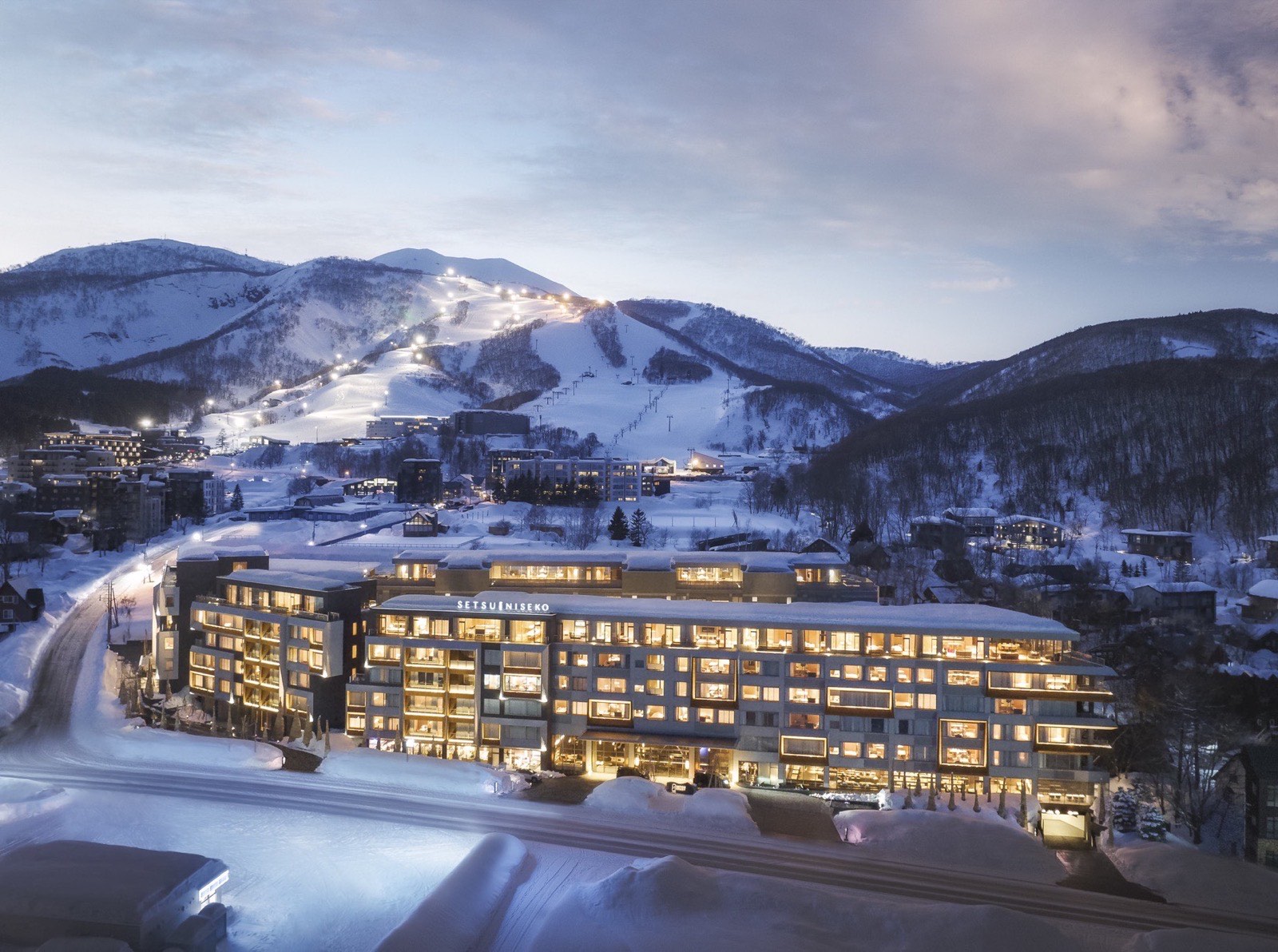 Setsu Niseko official site
444 reviews at 9.4 out of 10 at the top of the Hirafu market, ¥1,783,100 for five peak nights — read from the property's Booking.com listing at whatever room type and occupancy it was quoting as cheapest, not a fixed configuration, as with every price in this article. Expensive properties usually score well; what is unusual here is holding 9.4 across a sample this size at a price that invites scrutiny.
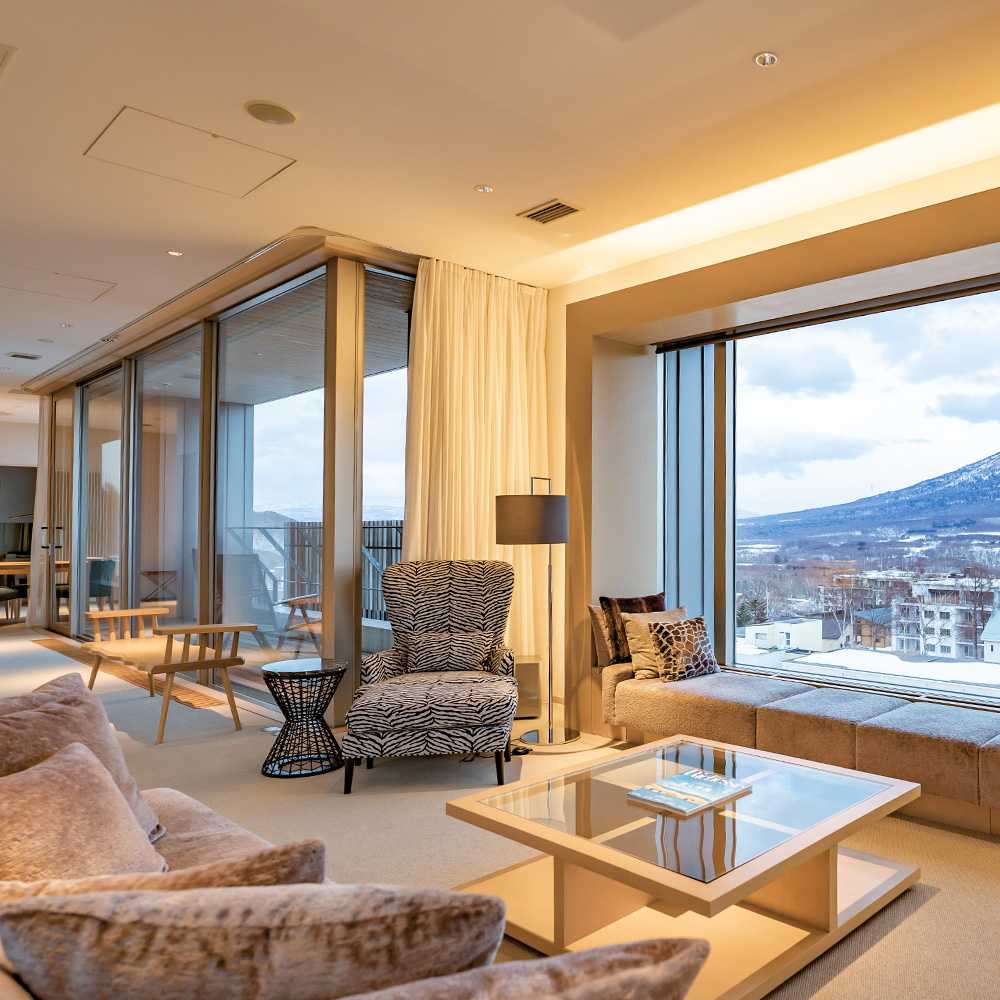 Chalet Ivy Hirafu, Niseko official site
544 reviews at 9.3 out of 10 — the largest sample in Hirafu — at ¥586,000 across five peak nights, below the area median. High score, high volume, mid price is the rarest of the three-way combinations in this valley.
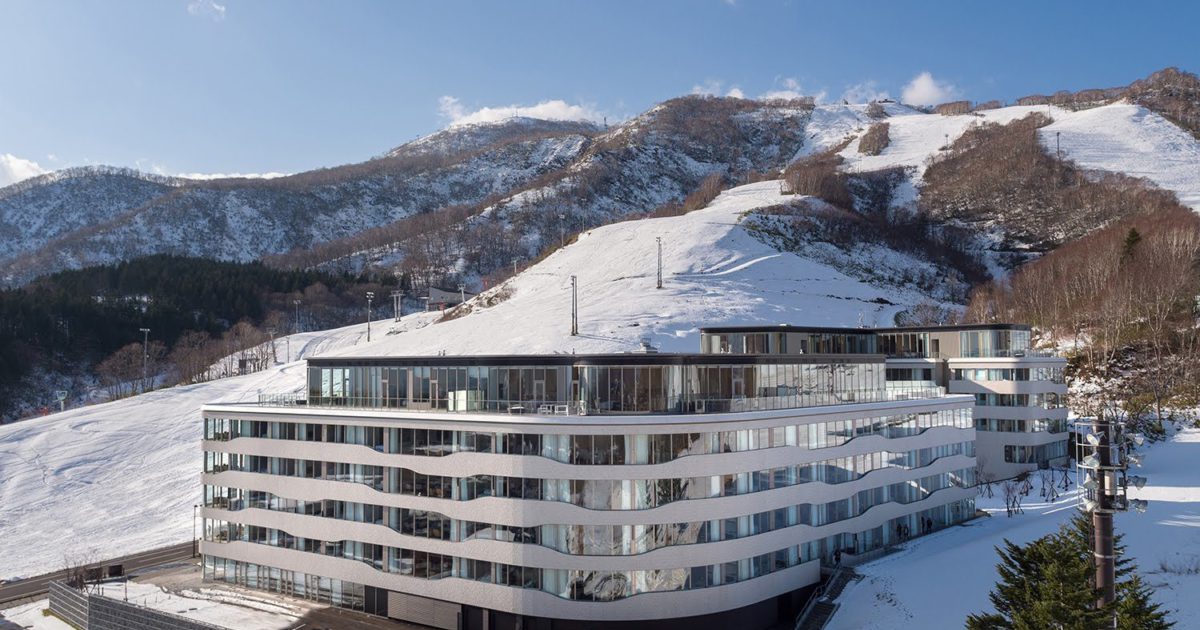 Skye Niseko official site
266 reviews at 9.4 out of 10, with 9.6 for cleanliness and 9.6 for facilities. Just under the three-hundred threshold where the median score in Niseko falls off a cliff, and comfortably above it on score.
The mirror image is equally informative and gets ignored. A low score across a large sample is also hard to produce by accident. At three hundred reviews the noise is gone, so a 7.7 is a finding rather than a run of bad luck — and, importantly, not a reason to avoid the property so much as a reason to know what you are buying.
 Owashi Lodge official site
329 reviews at 7.7 out of 10, with sub-scores of 7.8, 7.8 and 7.6, at ¥174,500 for five peak nights. At that volume the number is real. It is also a third of what the Hirafu median costs, and the two facts are the same fact.
 Q FOX BLACK DIAMOND HOTEL official site
197 reviews at 7.3 out of 10 — the lowest score with a substantial sample on this site — at ¥207,000 across five peak nights. Included because the honest use of a review score is to tell you which end of the market you are entering, not to rank places.
So what does a good score look like here
The properties worth noticing are the ones holding a high score across a real number of stays. Among places with several hundred reviews, a handful sit at 9.2 to 9.4 — that combination is much harder to achieve than a 9.8 across five guests, and it is the closest thing to a track record this data contains.
Practical version: read the count first, then the score. Below thirty reviews, the score is an anecdote. Around fifty it starts to settle. Past a hundred it is a claim.
A working rule, in one line: at fewer than thirty reviews decide on the description and the photographs and treat the score as decoration; between thirty and a hundred, let the score break a tie; past a hundred, let it lead.
Does paying more buy a better score?
At the median, yes — and the reason is more useful than the fact.
Sort everything with a published peak rate into four price bands:
| Five peak nights, median of band | Median score | Median reviews |
|---|---|---|
| ¥172,250 | 8.45 | 149 |
| ¥275,425 | 8.50 | 109 |
| ¥485,000 | 9.05 | 44 |
| ¥873,050 | 9.20 | 100 |
Read 9 September 2026.
Three quarters of a point separates the cheapest quarter of Niseko from the dearest, which on a scale whose usable range is about three points is a lot.
Now read the third column. The cheapest band is graded by more than three times as many people as the third band. Expensive properties in this valley are not only more expensive; they are more lightly observed, and everything above says that lightly observed properties float upward. Some of the gap is real — newer buildings, better equipped, more staff per guest — and some of it is arithmetic wearing a price tag.
The clean test is to hold the sample size still. Among the properties here with more than three hundred reviews, the two highest scores are both 9.4, and one of them quotes a fifth of what the other does. At that volume price stops ordering the list.
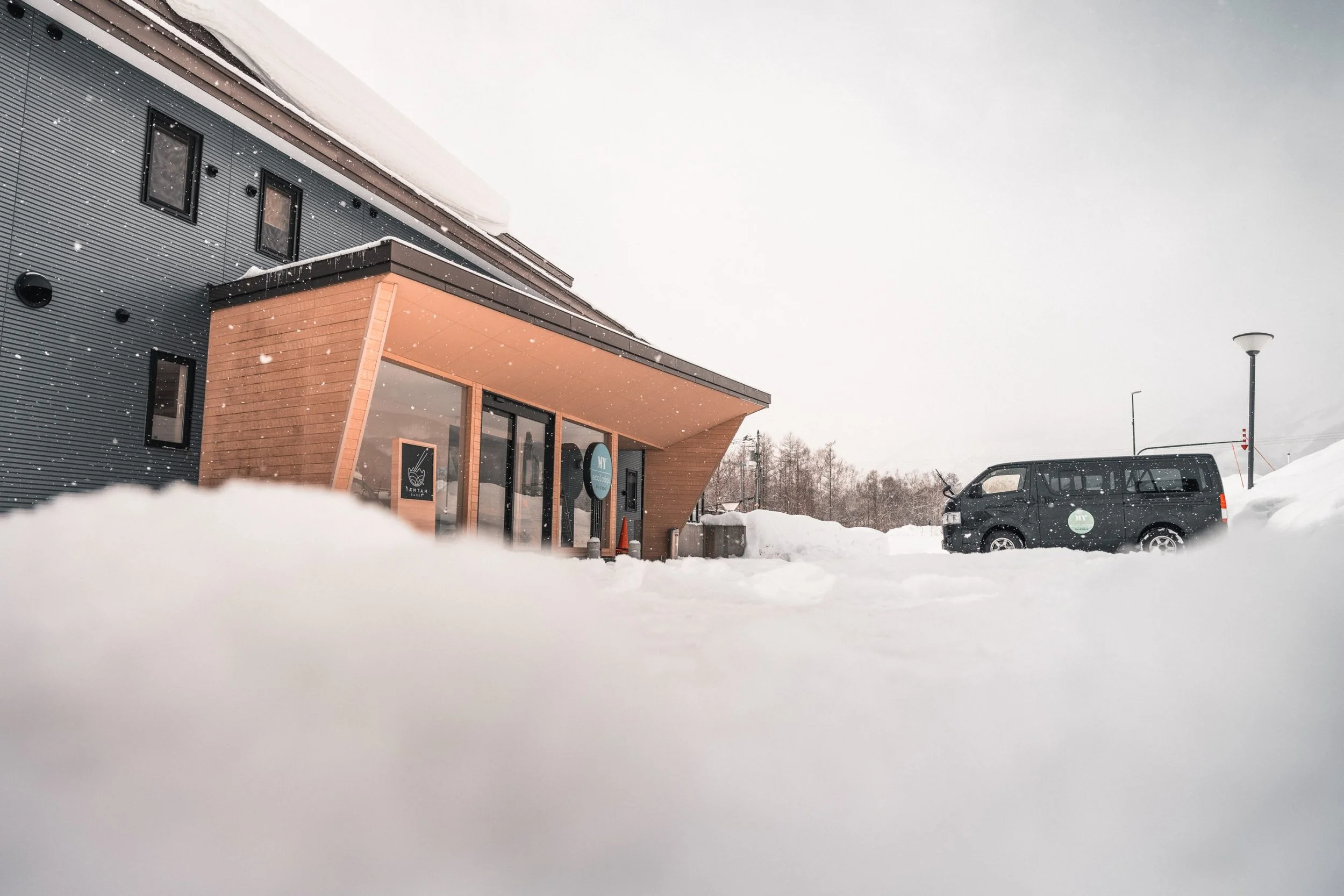 My Ecolodge official site
518 reviews at 8.5 out of 10 and ¥170,000 for five peak nights — the cheapest property in the valley carrying a sample that large. It sits below the expensive band on score and nothing is being hidden by that: this is simply what a modest building looks like once five hundred people have graded it.
The sub-scores barely move
Booking pages break the total into cleanliness, comfort and facilities. Across Niseko:
| Sub-score | Median |
|---|---|
| Cleanliness | 9.2 |
| Comfort | 9.2 |
| Facilities | 9.0 |
They are all high and all close, so the absolute value tells you little. What is useful is the gap within one property — a place scoring 9.6 for cleanliness and 8.4 for facilities is telling you something specific, and it is the sort of thing worth reading before you book a week rather than a night.
The gaps are readable because the three axes measure genuinely different things. Cleanliness is about the operation: whether the housekeeping is good. Comfort is about the room: bed, warmth, noise, space. Facilities is about the building: the bath, the kitchen, the drying room, the lift, the parking. A property can be excellent at one and mediocre at another, and in a valley where people book whole weeks in self-catering buildings, the facilities axis is the one that decides how the week feels.
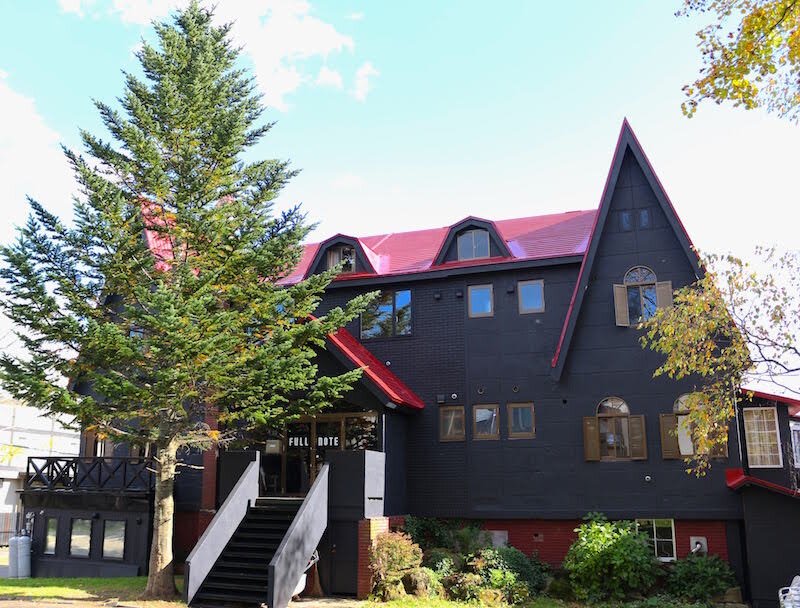 Pension Fullnote official site
95 reviews at 8.9 out of 10, with 8.7 for cleanliness and 8.9 for comfort but 8.1 for facilities. The gap is the message: guests are happy with the room and the housekeeping and less so with what the building offers around them. For a pension, that is close to expected.
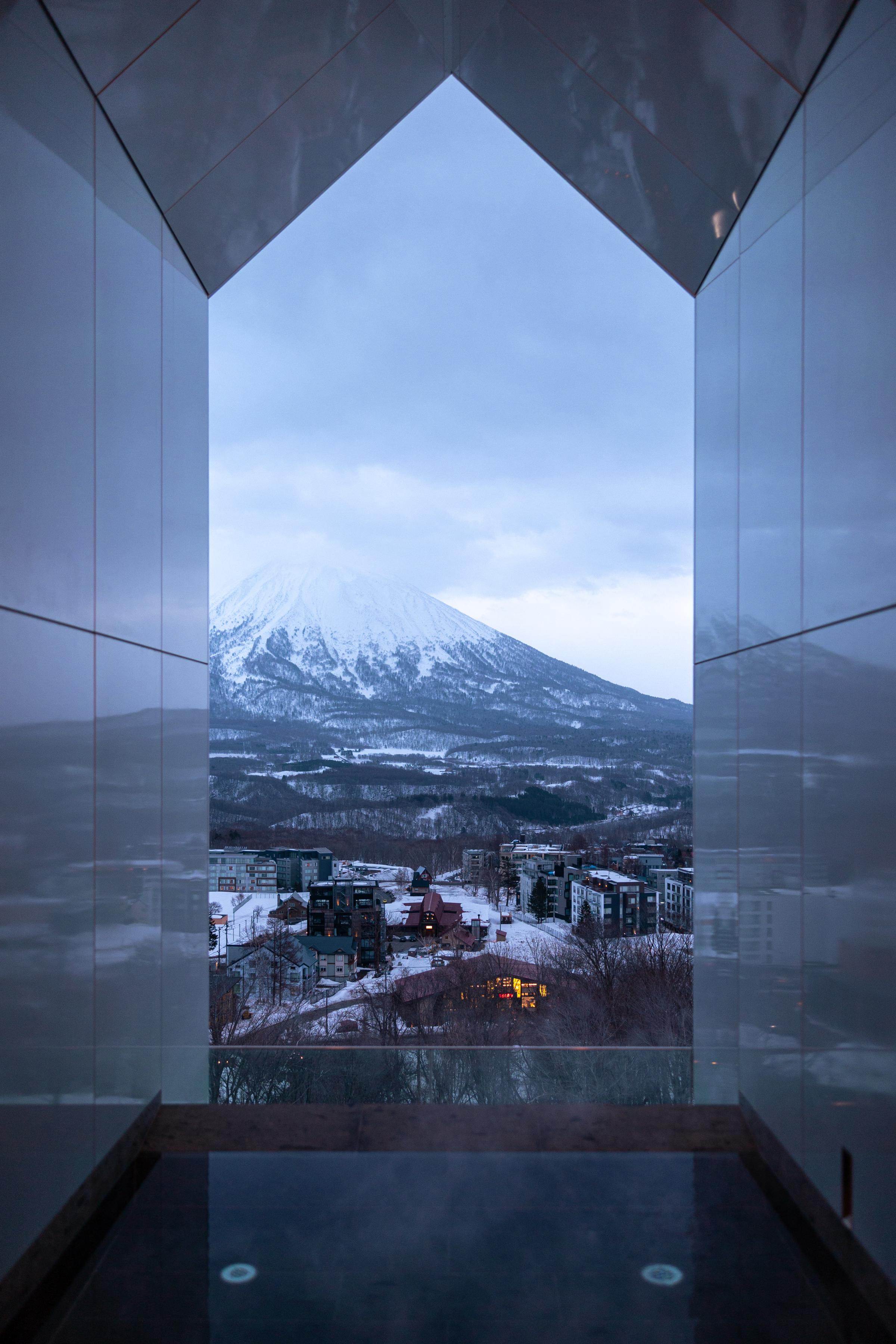 MUWA Niseko official site
57 reviews at 9.1 out of 10, with 9.7 for comfort against 8.9 for facilities. A profile that says the rooms are doing the work. At ¥1,375,000 for five peak nights, the facilities figure is the one worth investigating before booking.
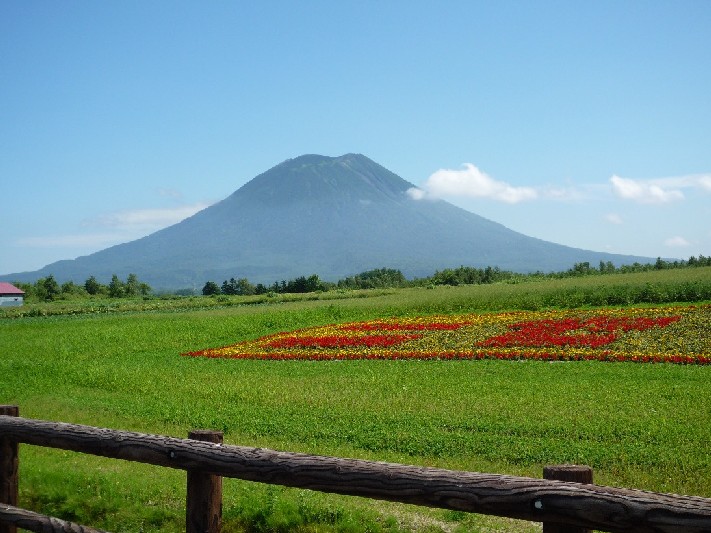 Country Resort Niseko official site
37 reviews at 9.7 out of 10, with 9.9 for cleanliness and 9.9 for facilities against 9.2 for comfort — an inverted gap, and a rare one. The sample is small enough that this is a hint rather than a finding, which is the appropriate way to read a 37-review profile.
The flat profile is worth naming too. When cleanliness, comfort and facilities land within a tenth of each other across a real sample, the property is consistent — nothing is carrying it and nothing is dragging it. That is a genuinely useful signal for a week-long booking, and it is invisible if you only read the headline number.
The other number on the listing, and what it measures
Every listing carries a photograph count and almost nobody reads it as data. It is data — just not about the room.
The median gallery across the eighty-three properties here runs to 54 images, and the range runs from ten to 189. What the count tracks is price: 35 images at the median in the cheapest quarter, 44 in the second, 59 in the third, 77 in the dearest. It also tracks format — apartments carry a median of 75 images, hotels and chalets 57 each, pensions 40.
What it is measuring is spend. A gallery of 130 is two days of a photographer’s time; a gallery of 27 is the owner with a phone. Neither is a fact about the bed.
Its one real use is narrow. Nearly half the whole-property listings in this valley carry no reviews at all, and where that is true the photographs are the entire evidence on offer. So read the two counts together rather than either alone. A property making its case with 189 photographs and 140 reviews is a different proposition from one making it with 189 photographs and nothing else — and a property making it with 27 photographs and 518 reviews is stronger than both.
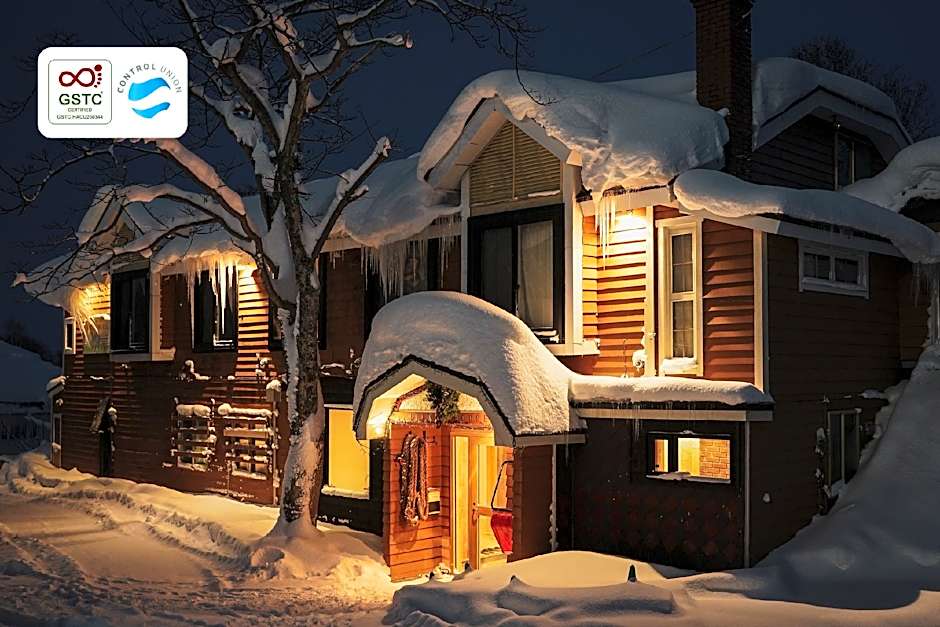 Country Inn Milky House official site
189 photographs — the largest gallery on this site — against 140 reviews at 8.9 out of 10, and 74 more on the Japanese platform. Large gallery, real sample: the combination that makes the pictures worth looking at rather than worth discounting.
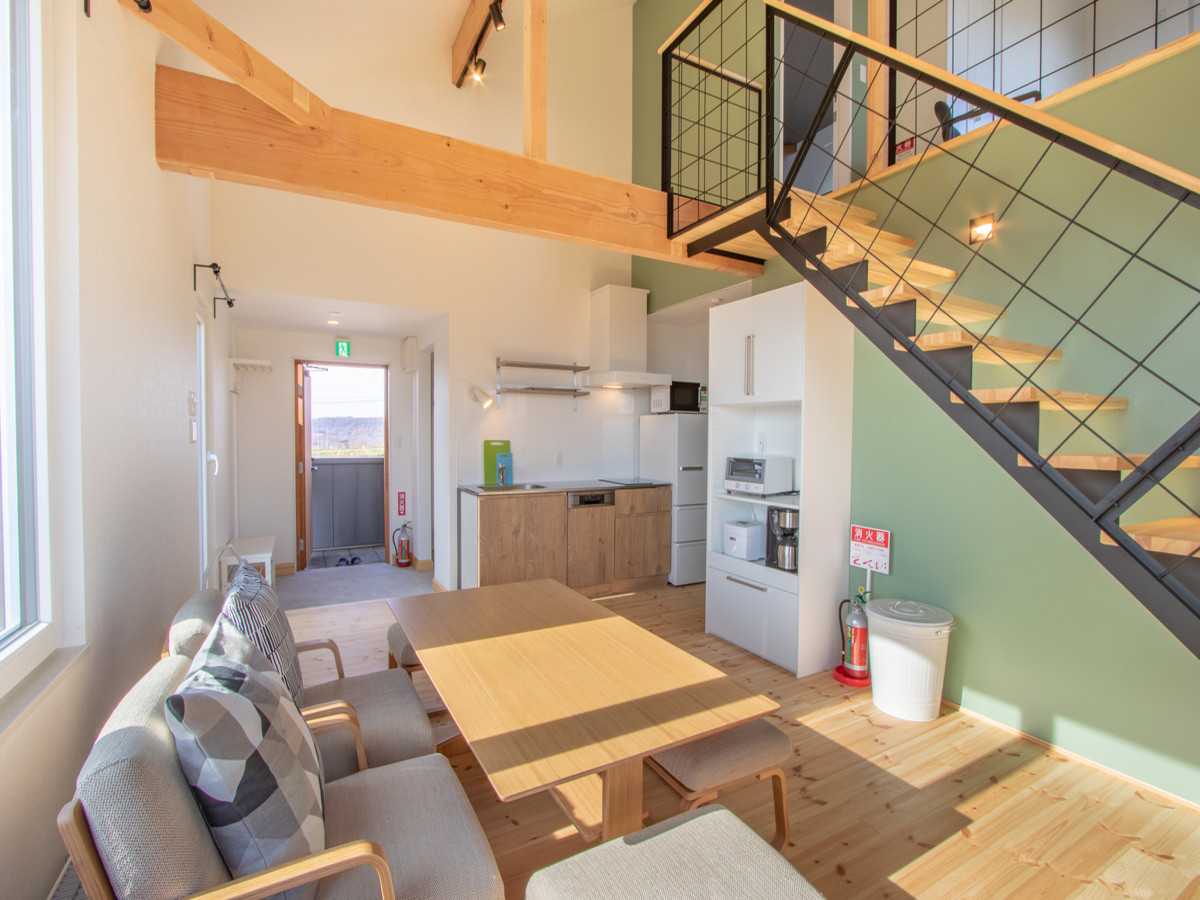 Niseko Highland Cottages official site
166 photographs against 43 reviews at 9.2 out of 10. Four images for every review, which is the ratio to notice: almost everything you can learn about this property was produced by the property. Its listing does state a distance of 1.8 km to a lift, which is the kind of fact a photograph cannot supply.
 JL HOUSE Kutchan official site
The opposite extreme: ten photographs, the fewest here, against 100 reviews at 7.9 out of 10. A whole house in Kutchan that is under-marketed and adequately evidenced — the score is modest, but it is a score rather than a gallery.
What the two platforms tell you
Most properties here are listed on both an international booking platform and a Japanese one. The scores tend to agree. The counts do not, and that is where the information is.
Some onsen hotels carry three times as many Japanese reviews as international ones. Condominiums a few kilometres away run thirty to a hundred times the other way. Neither is better. They are different guest lists, and knowing which one you are joining tells you more about your week than a decimal place ever will.
In practice the split predicts four things: the price level, the language at the front desk, whether dinner is served in the building, and how many other guests will be doing what you are doing. A Japanese-majority inn is usually cheaper for the same standard of room, usually runs on Japanese hospitality conventions rather than international hotel ones, and is usually quiet in February in a way an international-majority condominium is not.
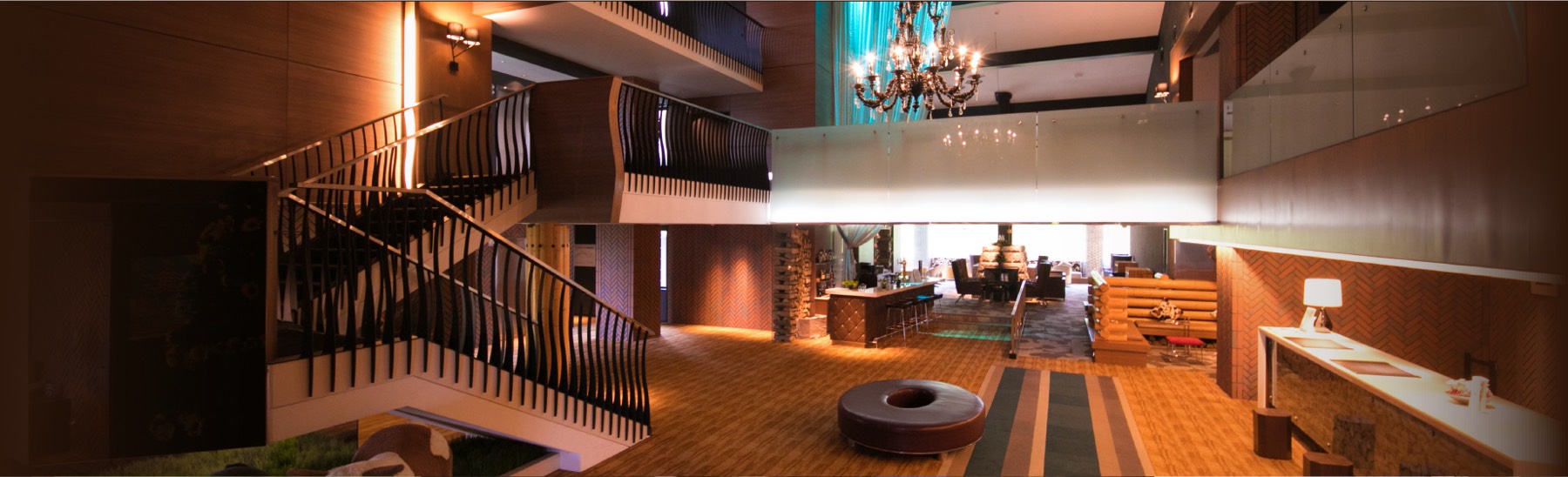 Niseko Northern Resort An'nupuri official site
404 reviews at 8.8 out of 10 on the international platform against 1,253 on the Japanese one — the most domestic guest list of any large hotel on this site. If you want an Annupuri hotel that international visitors have largely not found, this is what that looks like in the data.
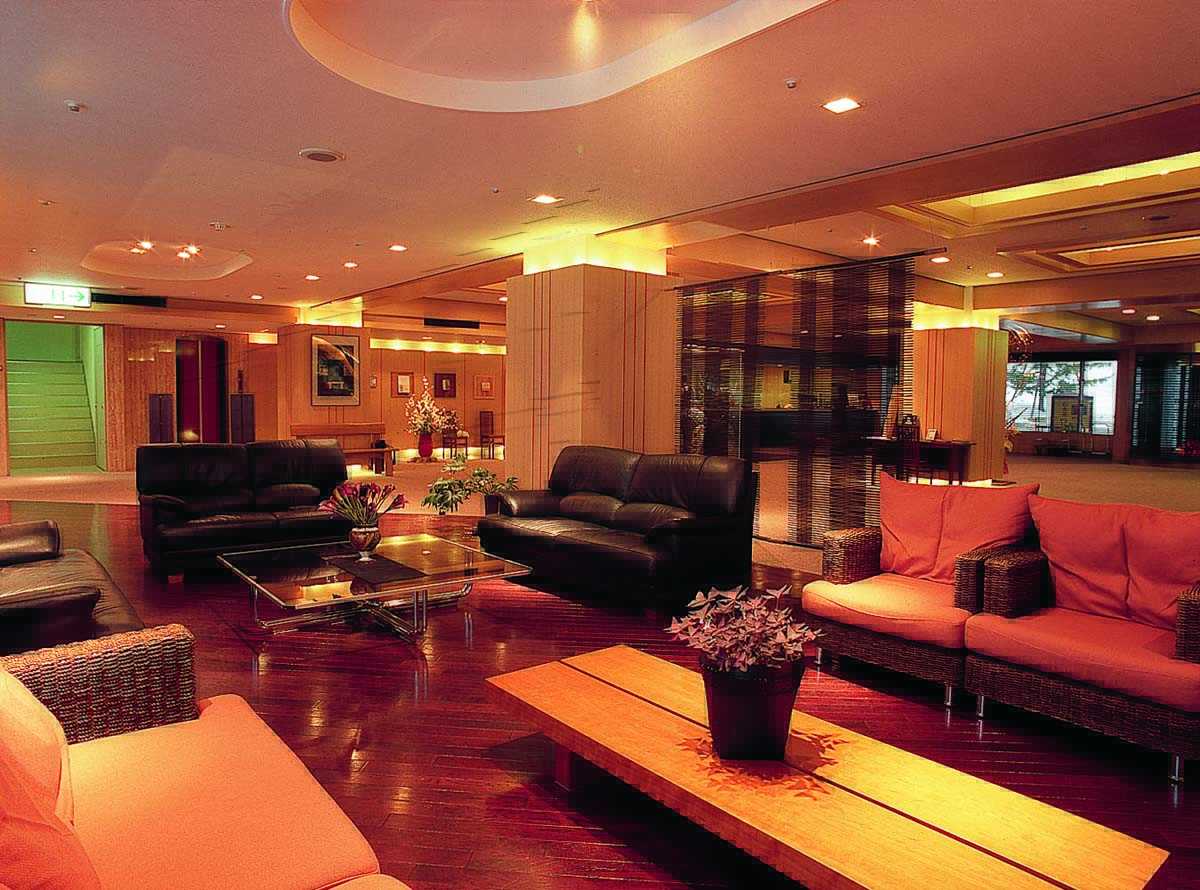 Niseko Konbu Onsen Hotel Kanronomori official site
310 reviews at 8.5 out of 10 internationally against 863 on the Japanese platform. A Konbu Onsen hotel, and the clearest single case in the valley of an onsen property whose reputation is built almost entirely at home.
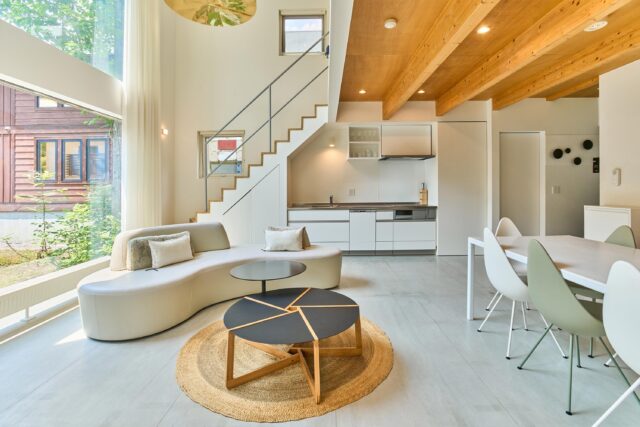 Niseko Central Condominiums official site
88 international reviews at 9.1 out of 10 against a single review on the Japanese platform. The opposite extreme, and typical of the condominium format: an almost entirely inbound guest list, which is itself a description of the building.
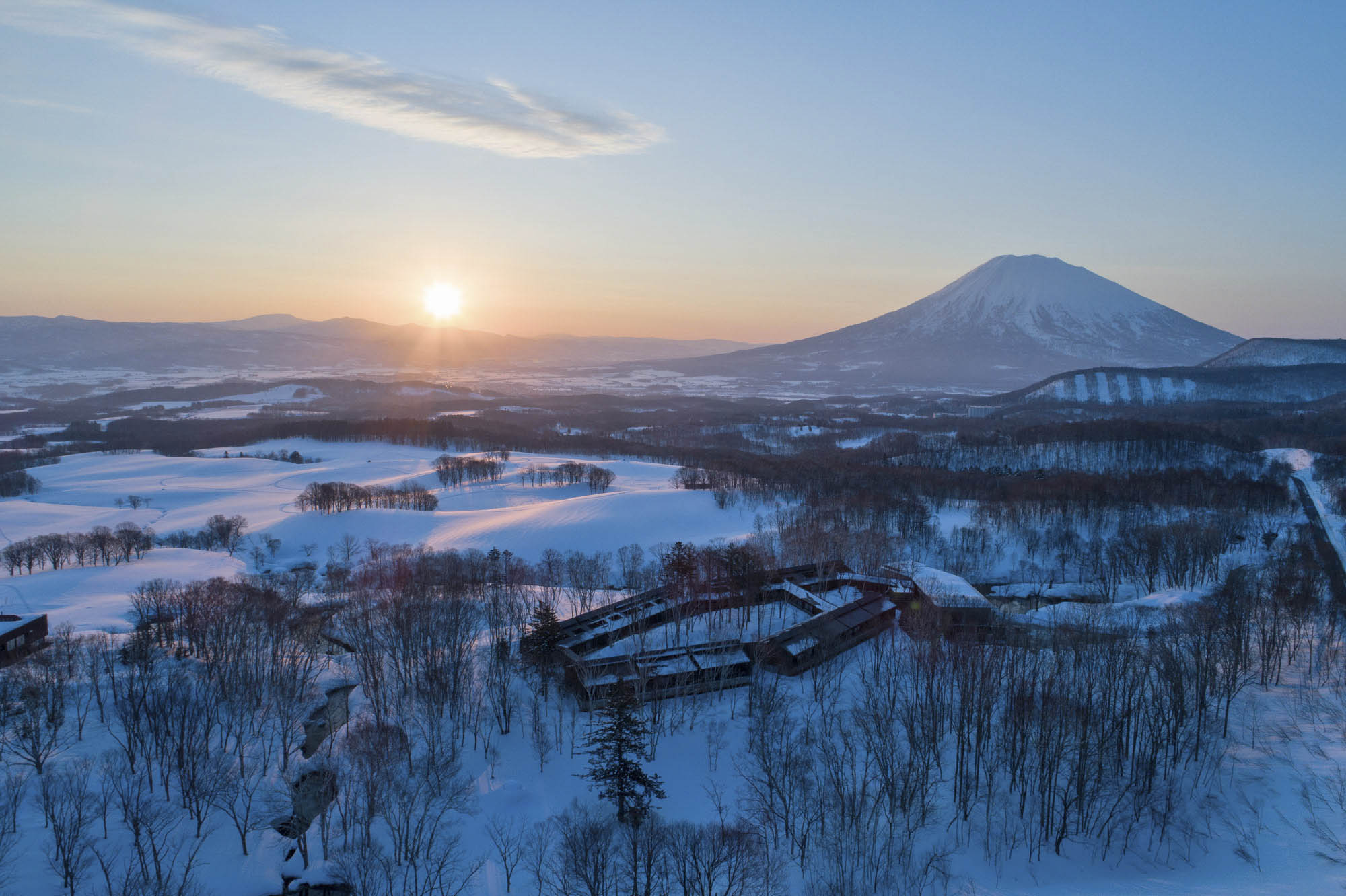 Zaborin official site
9.7 out of 10 — the highest score in the valley — across 112 international reviews against three on the Japanese platform. A ryokan whose guest list is inbound rather than domestic, which is unusual enough for the format to be worth knowing before you book it.
Why every score is high in the first place
Before any of this is useful it helps to know why the range is so narrow. Across the 83 properties written up on this site, the lowest score is 7.3 and the highest is 9.8. Nothing is below 7. That is not a statement about Niseko; it is how booking-platform scoring works.
Reviews are collected only from people who completed a stay, which removes everyone who looked at the listing and booked elsewhere — the harshest possible audience, and the one a restaurant or a product review site does hear from. The people who remain chose the place, paid for it, and then had a week they had been looking forward to for months. On that population, the honest distribution of opinion runs from “fine” to “excellent”, and the scale compresses into three points at the top of a ten-point range.
So a Niseko score is not a rating out of ten. It is a rating out of roughly three, running from about 7 to about 10, and every tenth of a point is worth more than it looks. The difference between 8.2 and 8.9 is not small; it is most of the usable range.
That also explains why the sub-scores cluster so tightly around 9.0 to 9.2. They are drawn from the same compressed distribution, on questions most guests answer generously, and they only separate when something is genuinely wrong or genuinely unusual.
When there is no score worth reading
Eighteen of the properties on this site carry fewer than fifty reviews, and across the wider valley the proportion is far higher — most of the 314 bookable places have too little public record to say anything about at all.
For a hotel room, an unknown is a manageable risk: one night is one night, and a booking that disappoints costs you a night. For a whole house booked for a week by six people, an unknown is the entire trip. The asymmetry is why an established 8.5 is usually the better bet than an unrated listing at the same price, even though the 8.5 is the only one of the two with a visible flaw.
Where there is no useful score, the substitutes are all structural rather than reputational: how long the property has been operating, whether it names its manager, whether it states a distance to a named lift in metres, whether the facility list specifies an actual onsen rather than a shared bath, and whether the photographs show a kitchen with an oven or a counter with a microwave. None of those are opinions, and all of them survive the absence of reviews.
The score cannot tell you it was full
There is one thing on a booking page that reads as a verdict from the market rather than from guests, and no review score encodes it: whether the property sells out.
Three properties on this site were showing no peak-season availability when the rates were read on 9 September 2026 — five months before the season. Two of them therefore carry no peak figure anywhere on this site. That blank is not missing data. It is the finding.
Their scores are 9.4, 8.6 and 7.9, which is the whole point. The market is not sorting by score. It is sorting by position, format and price, and a 7.9 in Hirafu had gone while a 9.5 ryokan on the Annupuri side was still quoting freely.
Read that as a correction to the instinct this article has been building. A high score across a large sample tells you the property does what it does well. It does not tell you that anyone wants it, and those are separate questions with separate answers.
 Lodge Koropokkuru official site
9.4 out of 10 across 107 reviews in Hirafu, and no peak rate to quote because the dates were gone in September. Sub-scores of 9.5, 9.5 and 9.2, and twelve reviews on the Japanese platform against 107 internationally — a small, well-regarded, quietly contested building.
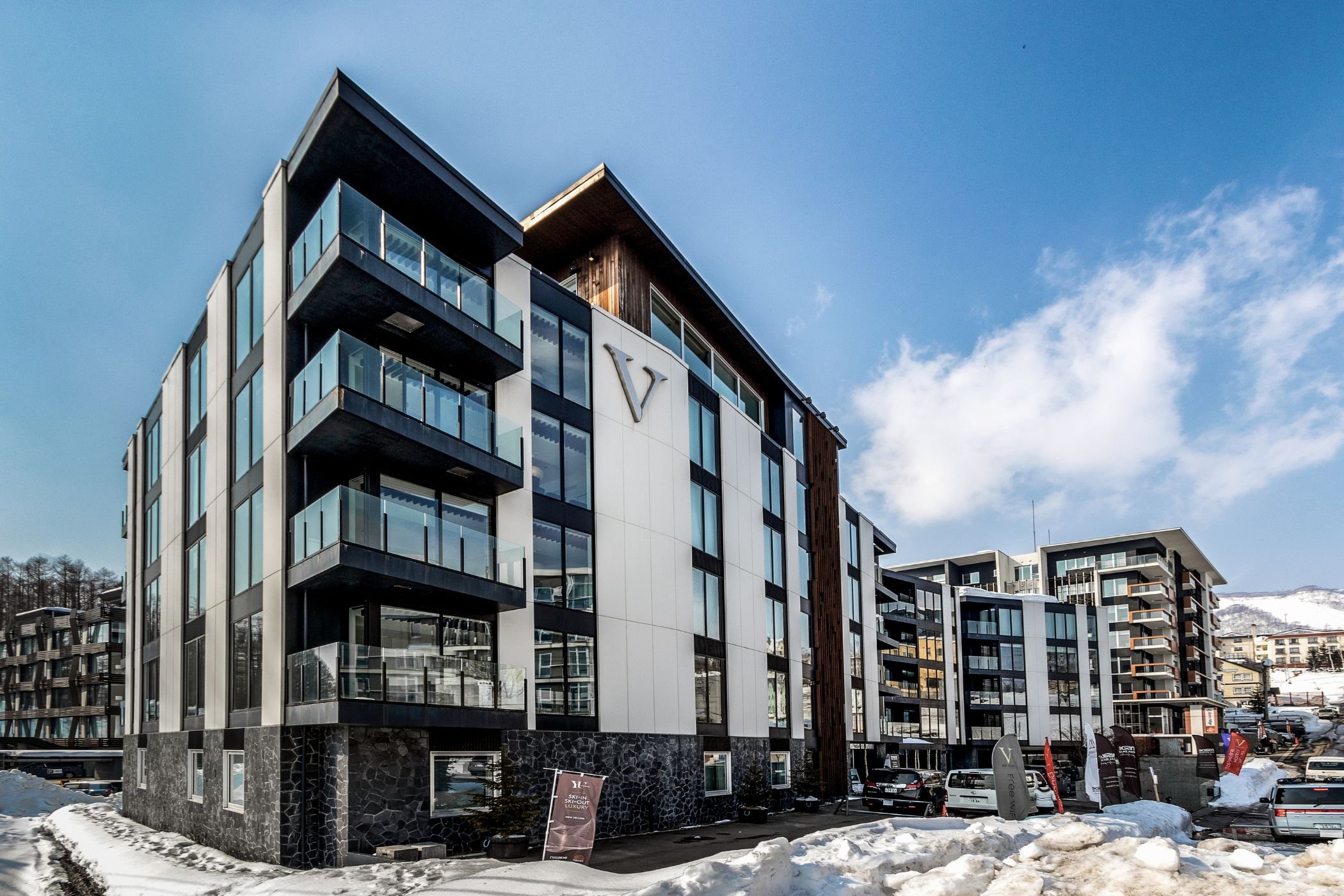 The Vale Niseko official site
62 reviews at 7.9 out of 10 in Hirafu, sub-scores of 8.6, 8.4 and 8.4, and likewise no peak availability. The lowest-scoring of the three that had sold out, which is the cleanest possible demonstration that the market and the score are measuring different things.
The date on the number
A review score is a running average with no timestamp on the listing, which hides two things.
The first is that it moves. Every figure quoted here was read on 9 September 2026, and by the time you book, the busiest properties will have collected more reviews and the quietest will not have collected any. The small-sample places are the ones whose numbers can change most, which is another way of saying the least reliable numbers are also the least stable.
The second is that the average includes years. A property that was refurbished, or changed operator, or changed manager, carries the old reviews and the new ones in one number, and the platform does not separate them. Where a listing’s recent reviews read differently from its score, the recent ones are the better guide — which is the one case where reading the text beats reading the number.
Format changes what a score means
The last correction is the one that quietly undoes most cross-property comparison. Niseko’s accommodation runs to roughly 180 hotels, 78 whole houses and chalets, 36 pensions and ryokan, 16 apartments and four hostels — and a score is only comparable within a format.
The received wisdom is that whole houses rate higher than hotels. Among the properties written up here they do not: the median whole house or apartment scores 8.7 against 9.0 for hotels. Both numbers rest on small counts — ten whole properties against fifty-four hotels — and that is the point rather than a rebuttal. A pension scoring 9.4 is telling you the family running it is good at what they do, not that the room is large. A hostel scoring 9.7 is telling you the operation is tight, not that you have booked a hotel. The two hostels here have a median of 559 reviews between them; the eight chalets have 87.
The failure mode is comparing a 9.6 chalet against an 8.6 hotel and concluding the chalet is better. They are not on the same scale. What you can do is compare within the format, and then decide between formats on the things scores do not measure at all: whether the kitchen is a kitchen, whether the bath is an actual onsen, how far the walk is, and what happens at dinner. Those decisions are worked through in choosing a Niseko area and chalets and apartments.
Reading a listing in two minutes
Count first. Under thirty, ignore the score. Past a hundred, trust it.
Then the gap. Look at cleanliness, comfort and facilities together. A spread of more than half a point is telling you which part of the stay is weak, and for a week-long booking the facilities axis matters most.
Then the platform split. If the Japanese count dwarfs the international one, expect a domestic guest list, a lower price and less English. If it runs the other way by a factor of thirty or more, expect the opposite.
Then the format. Compare hotels with hotels and houses with houses, and stop comparing across the line.
Then stop reading scores. Everything left that decides the week — the walk, the kitchen, the bath, the season — is not in the number and never was. Those are covered in first time in Niseko.
What we do with this
Every property page here shows the review count and the date we read it, next to the score, at the same size. Where the count is modest we say so in words rather than leaving you to notice. And we do not build a page at all for a property with fewer than thirty reviews — not because those places are bad, but because we would have nothing true to say about them.
Ordered by count rather than by score, read 9 September 2026. Read against the rest of this article: a large count is the thing that makes a score worth reading, not a score in itself.
Hilton Niseko VillageNiseko VillageOnsen¥101,163 (~$640)/night · 5-night peak avgTORIFITO Hotel & Pod NisekoKutchanWinter only¥58,608 (~$371)/night · 5-night peak avg The Green Leaf Niseko Village, Tapestry Collection by HiltonNiseko VillageOnsenWinter only¥94,454 (~$598)/night · 5-night peak avgChalet Ivy Hirafu, NisekoHirafuOnsenWinter only¥117,200 (~$742)/night · 5-night peak avg
 One Niseko Resort TowersAnnupuriWinter only¥84,702 (~$536)/night · 5-night peak avgMy EcolodgeHirafuWinter only¥34,000 (~$215)/night · 5-night peak avgMiru NisekoHirafuWinter only¥72,248 (~$457)/night · 5-night peak avg
 Always NisekoHirafuWinter only¥54,116 (~$343)/night · 5-night peak avgSetsu NisekoHirafuOnsenWinter only¥356,620 (~$2,257)/night · 5-night peak avgNiseko Northern Resort An'nupuriAnnupuriWinter only
Questions
- Is a 9.8 hotel in Niseko better than an 8.5 one?
- Not necessarily, and often the opposite. Among the places bookable here, those scoring 9.5 or better have a median of three reviews. The ones with hundreds of reviews cluster between 8 and 9. A high score on a handful of stays is a small sample, not a track record.
- How many reviews are enough to trust a score?
- Somewhere around fifty is where a Niseko score stops moving much, and a hundred is comfortable. Below thirty, treat the number as an anecdote. We only write pages for properties with at least thirty, and even then we say when the count is modest.
- Why do big Niseko hotels have lower scores?
- Because they are graded by everybody, including guests they never suited. In this valley properties with over three hundred reviews have a median score of 8.5, against 9.1 for those with between thirty and a hundred. That is a sampling effect, not a quality difference.
- What is the highest-rated place in Niseko with a real number of reviews?
- Among properties with a few hundred reviews, several sit at 9.2 to 9.4 — Chalet Ivy Hirafu, Miru Niseko, Setsu Niseko and Ki Niseko are in that band. A 9.4 across five hundred stays is a far stronger claim than a 9.8 across five.
- What do the sub-scores mean on a booking page?
- They break the overall number into cleanliness, comfort, facilities and so on. In Niseko these cluster tightly — the median property scores 9.2 for cleanliness, 9.2 for comfort and 9.0 for facilities. Because they move so little, the useful signal is the gap between a property's own sub-scores rather than the absolute value.
- Do Japanese and international guests score the same property differently?
- The counts differ far more than the scores. Some Niseko onsen hotels carry three times as many reviews on the Japanese booking platform as on the international one, while nearby condominiums run thirty to a hundred times the other way. What the split tells you is who stays there, not how good it is.
- Are chalets rated higher than hotels in Niseko?
- No — slightly lower, which is the opposite of the received wisdom. Among the properties written up here the median whole house or apartment scores 8.7 against 9.0 for hotels. Both figures rest on small numbers, and the more useful point is that the two are not on the same scale in the first place.
- Does a more expensive Niseko hotel score better?
- At the median, yes — the cheapest quarter of the priced properties here has a median score of 8.45 against 9.2 for the dearest quarter. But the expensive band is also graded by far fewer people, so part of that gap is the sampling effect rather than the building. Hold the sample size constant and price stops ordering the list: among properties with over three hundred reviews, the two highest scores are both 9.4 and one of them quotes a fifth of what the other does.
- What does the number of photographs on a listing tell you?
- How much was spent on the listing, not how good the property is. The median gallery here runs to 54 images and the count rises steadily with price, from 35 in the cheapest quarter to 77 in the dearest. It is worth reading only against the review count: a property making its case with 189 photographs and 140 reviews is a different proposition from one making it with 189 photographs and none.
- Should I ignore properties with no reviews?
- Not ignore, but do not read a score into them. A new listing with no history is an unknown, and for a whole house — where a bad choice is the entire trip rather than one night — an unknown is a bigger risk than a known 8.5.