Eating in Niseko: why Hirafu has the restaurants and the mountain does not
The biggest ski area in Niseko has five places to eat on the hill. Hanazono has hotel dining. Niseko Village built itself an actual village. Once you see why, the whole question of where to stay looks different.
Jun Uchiyama · Last updated September 2026
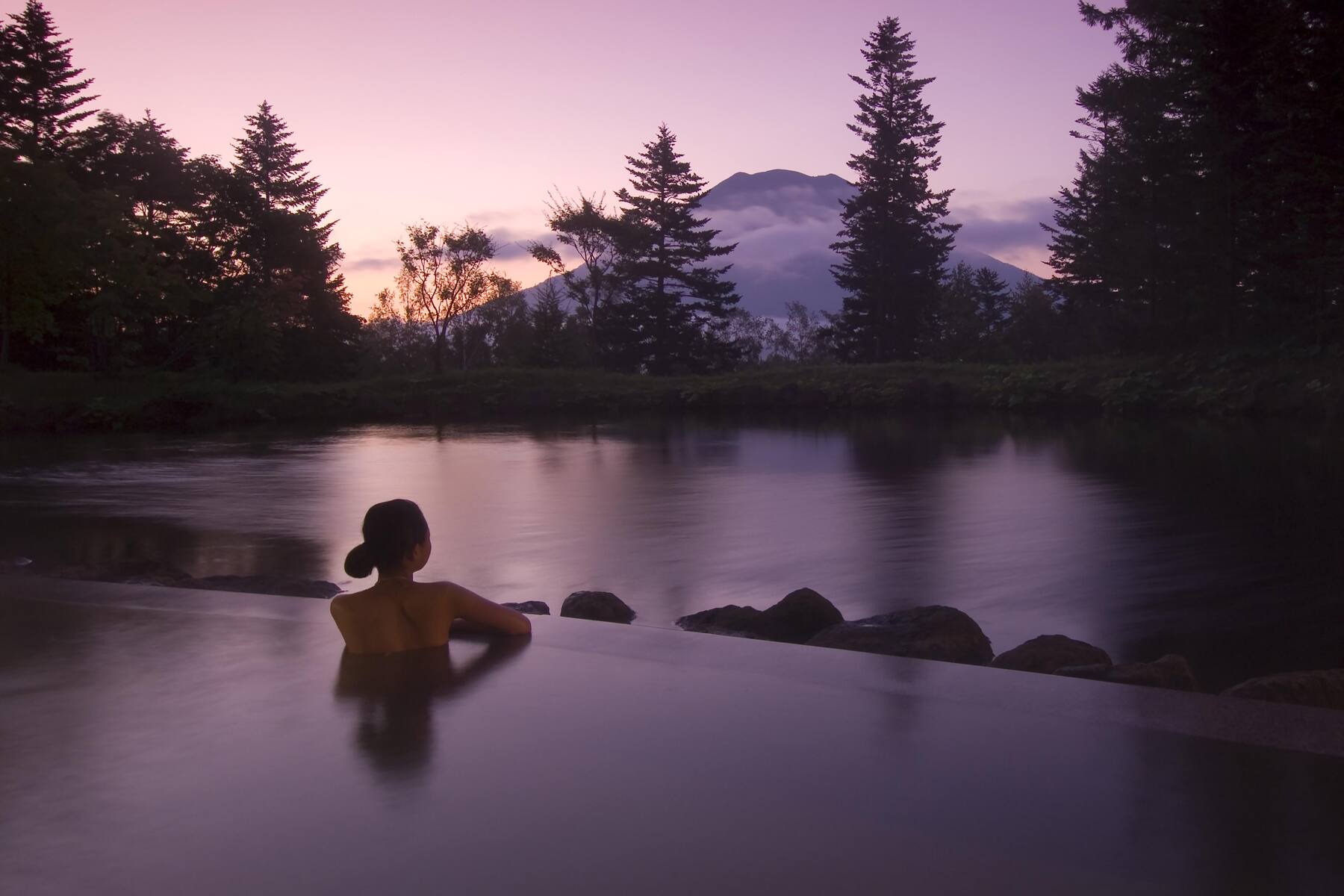
Niseko’s food has a shape, and the shape follows from a single fact: only one of the four ski areas grew a village at the bottom of it on its own. One other — Niseko Village — has since built one from scratch, on purpose, as a resort project. The other two have not.
Which means this is not really an article about restaurants. It is an article about where to sleep, because in three of the four areas the eating decision is still made when you choose the building rather than when you get hungry — and in the fourth, understanding what has actually been built there changes the calculation.
The count
The four ski areas publish their own dining directories, and the shape is consistent even where the exact numbers move: Grand Hirafu and Annupuri each list a handful of on-mountain venues, while Niseko Village and Hanazono list several times as many — Niseko Village because the resort built a purpose-made dining village of its own, Niseko-Yo, on top of its hotels’ own restaurants.
Grand Hirafu is the largest ski area in Niseko, and by this count it has among the fewest places to eat on the hill. Niseko Village and Hanazono — small areas by accommodation, twenty-one and six properties — list more than either.
Now the other half of the picture. A single accommodation directory for Hirafu village lists forty-six restaurants, cafés and bars at the base of the hill: ramen, sushi, izakaya, a bakery, a bar you can walk to in ski boots.
Why it comes out this way
The resort areas built their dining onto the mountain because there was nothing below it when they were planned. Hanazono is four accommodations and a lift; if a guest is going to eat, the resort has to feed them, and its options are largely one hotel’s kitchens. Niseko Village started the same way — but rather than stop at hotel dining, its operator went on to build an entire dining precinct of its own at the base, which the next section covers in full.
Grand Hirafu never had to build anything. It has a village that grew there before the resort did. The restaurants are downhill in a street with other restaurants either side, run by people who do not work for the ski area and therefore do not appear in its directory. Five on the hill, dozens at the bottom, none of it planned as a set.
The historical version is shorter. Hirafu was a village with people and businesses in it before the international ski market arrived, so the eating grew the way eating grows in a town, over decades, by many different owners. The other three areas were developed as resorts, and a resort has to solve dinner inside its own boundary because there was no town outside it to do the job — Niseko Village’s answer was simply the most ambitious.
Niseko-Yo: an actual village, built by the resort
Open the entries rather than counting them and the picture is more interesting than “resort dining” suggests — and the first draft of this article got it wrong in the other direction, calling it a set of hotel restaurant floors. It is not. Niseko Village’s own precinct map settles it: Niseko-Yo is nineteen separate timber buildings — sixteen restaurants and three shops — clustered around their own gondola stop, Niseko-Yo Station, linked by covered walkways rather than housed inside any hotel. At night the whole cluster is lit with projection artwork between the buildings, and a series of sculptures by the artist Frank Woo are set along the paths — the precinct is built as much for walking through as for eating in. It reads as a real village because it is one, styled after an old Japanese street rather than grown into one over decades. The shuttle bus stop for it is at the Hilton, which is the resort’s own way of saying that hotel is the front door to the whole precinct rather than a rival to it.
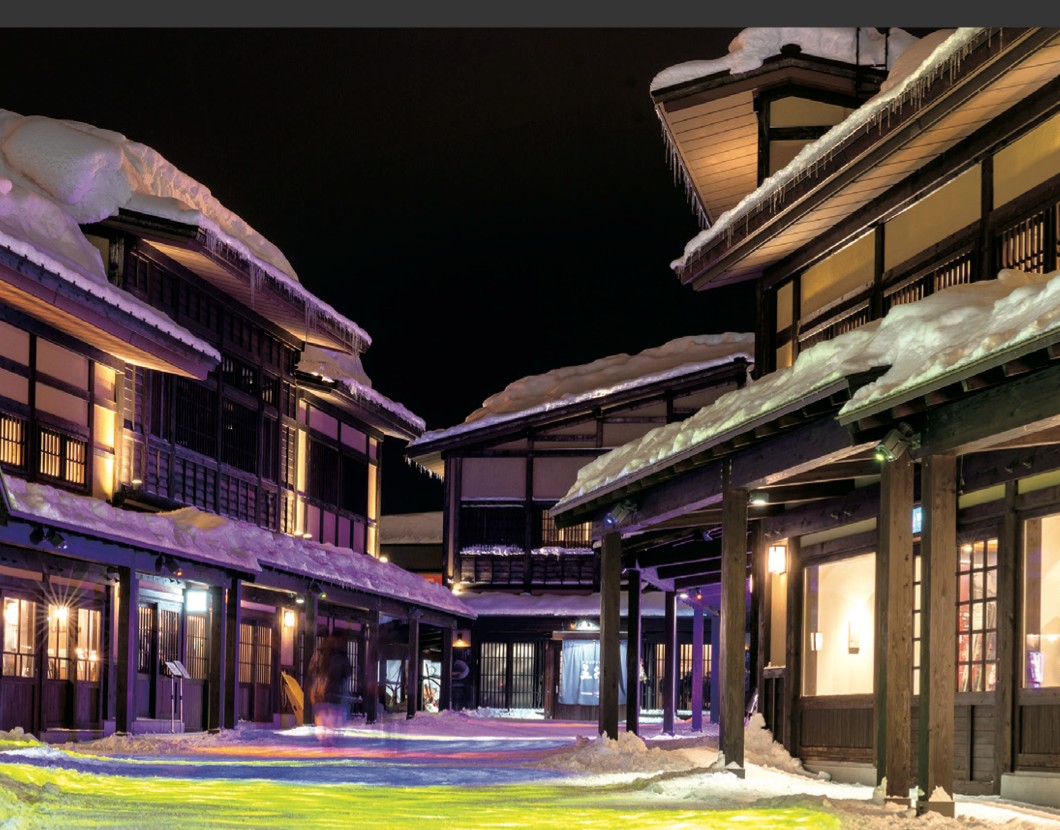
Cuisines run from ramen and sushi to Sichuan hotpot, yakiniku, Italian, tonkatsu and a Roman-style pizzeria, which is a wider spread than any single hotel would build for itself, and a couple of names are worth knowing before you go: the ramen room is produced by Hakata’s Ippudo, and the pizzeria carries a World Pizza of the Year credit. It opened in December 2023 and has been adding venues each season since, which is the practical reason a snapshot taken any given week undercounts it.
It runs through the year rather than closing with the lifts — summer turns the precinct into the venue for the resort’s own festivals, running alongside the green-season activities covered in Niseko in summer — but not every kitchen keeps winter hours: a handful of listings are explicitly seasonal, and the practical move is to check the current status of a specific venue rather than assume the whole precinct behaves the same way. Confirm hours before you build an evening around one kitchen.
What it is not is the hotels themselves. Hilton Niseko Village runs nine further venues of its own — bars, a teppanyaki room, a sushi counter, a live-jazz lounge among them — Hinode Hills three, and the Green Leaf three, none of which are part of Niseko-Yo. Add those to the nineteen and Niseko Village’s real dining count is well past thirty, split between a village you walk through and rooms inside three separate hotel towers.
Most of Hanazono’s directory gives an address inside Park Hyatt Niseko Hanazono — a lobby café, a lounge, a Chinese kitchen, a robata counter, a sushi counter, an Italian room, a deli and two bars among them. The rest are the ski area’s own base facilities. In an area with six places to stay, the bulk of the directory is one hotel — Hanazono has not built anything like Niseko-Yo.
Two of Annupuri’s five sit inside a single hotel, Niseko Northern Resort An’nupuri. The other three are ski-area facilities: a food court, a rest-house grill and a hut below a lift.
All five of Grand Hirafu’s are at a gondola station or the base Mountain Center, and only one lists hours running past the afternoon. Nothing on Grand Hirafu’s hill is trying to serve you dinner, because there is a village below it that does, year-round.
So the comparison this article opened with needs a correction. Hirafu still has by far the most independent, permanent, year-round dining of anywhere in the valley. But Niseko Village is not simply “a resort with hotel restaurants” for the months Niseko-Yo runs — it is the closest thing to a second walkable village Niseko has, built by one operator, lit for the season, and gone by spring.
191 reviews at 9.1 out of 10 and ¥2,207,900 for five peak nights — and most of Hanazono's whole dining directory. Booking here is booking the area's restaurant scene, which is either the strongest argument for the price or the clearest description of what the price is.
Hilton Niseko Village official site965 reviews at 8.1 out of 10, and the hotel behind nine of its own restaurants and bars, separate from the nineteen buildings of Niseko-Yo next door. Open in summer, when Niseko-Yo is not running.
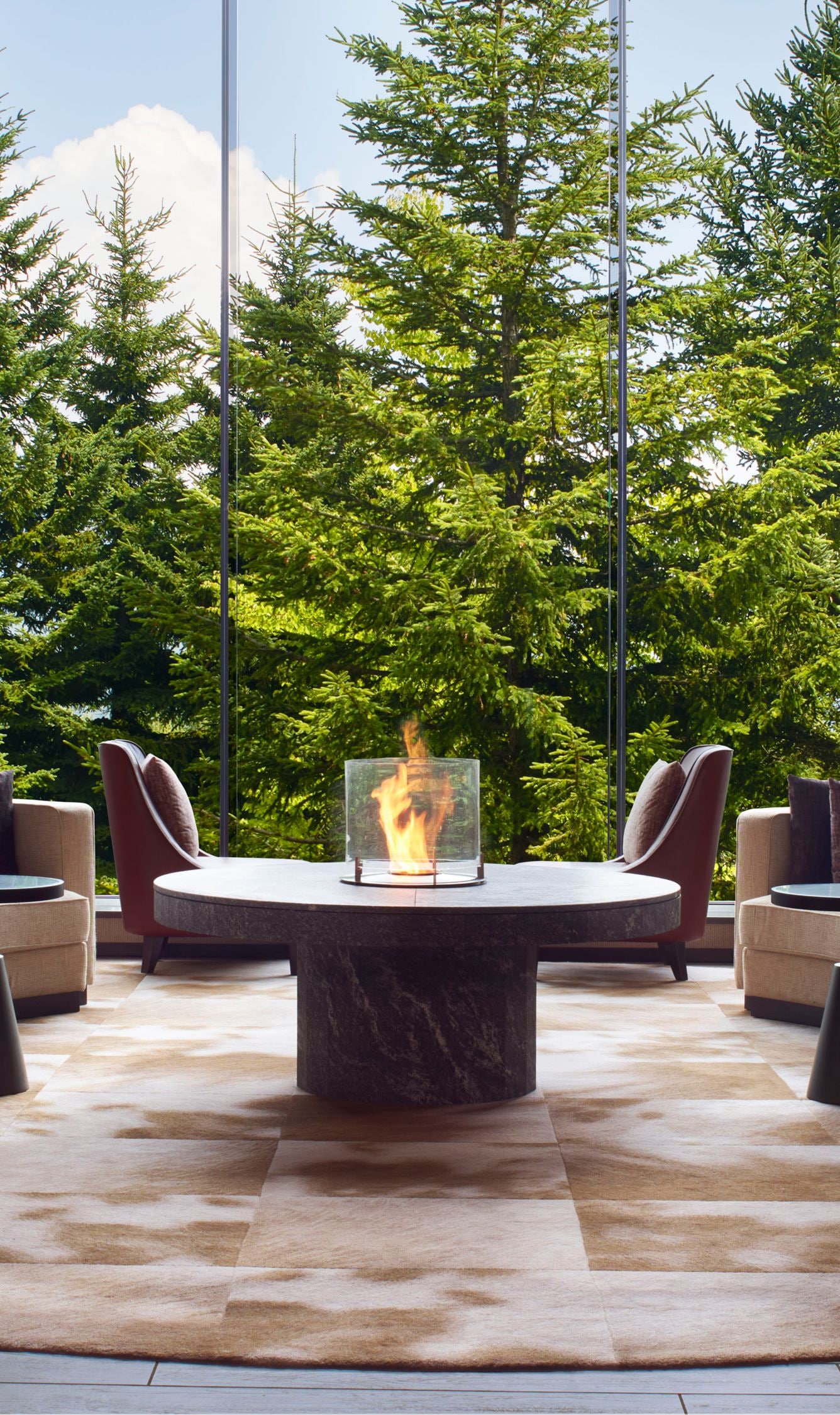 Higashiyama Niseko Village, a Ritz-Carlton Reserve official site
63 reviews at 8.9 out of 10, at the far end of Niseko Village from the Niseko-Yo cluster rather than inside it. A natural hot spring on site, and ¥1,402,500 for five peak nights — ¥344,250 in summer, which it takes bookings for.
What this means for where you sleep
This is the practical consequence, and it is worth more than any list of restaurant recommendations.
Hirafu: dinner is a whim
If you stay in Hirafu, dinner is a decision you make at six o’clock, on foot, in whatever you are wearing. The choice is genuinely wide and the walk is short.
That is the entire argument for paying the Hirafu premium, and it is a better argument than it sounds after four days. Being able to change your mind at six — to eat late, to eat twice, to abandon a plan because the weather turned — is a quality-of-week difference that does not show up in any comparison table. It is also the thing people who stayed elsewhere most often say they would change.
The premium is real but smaller than expected: the Hirafu median for five peak nights is ¥740,383, against ¥635,250 in Annupuri and ¥521,710 in Kutchan town — each read from the property’s own Booking.com listing, at whatever room type and occupancy it was quoting as cheapest, not a fixed configuration. Hirafu’s spread is what is unusual, running from bunk rooms to whole chalets on the same streets.
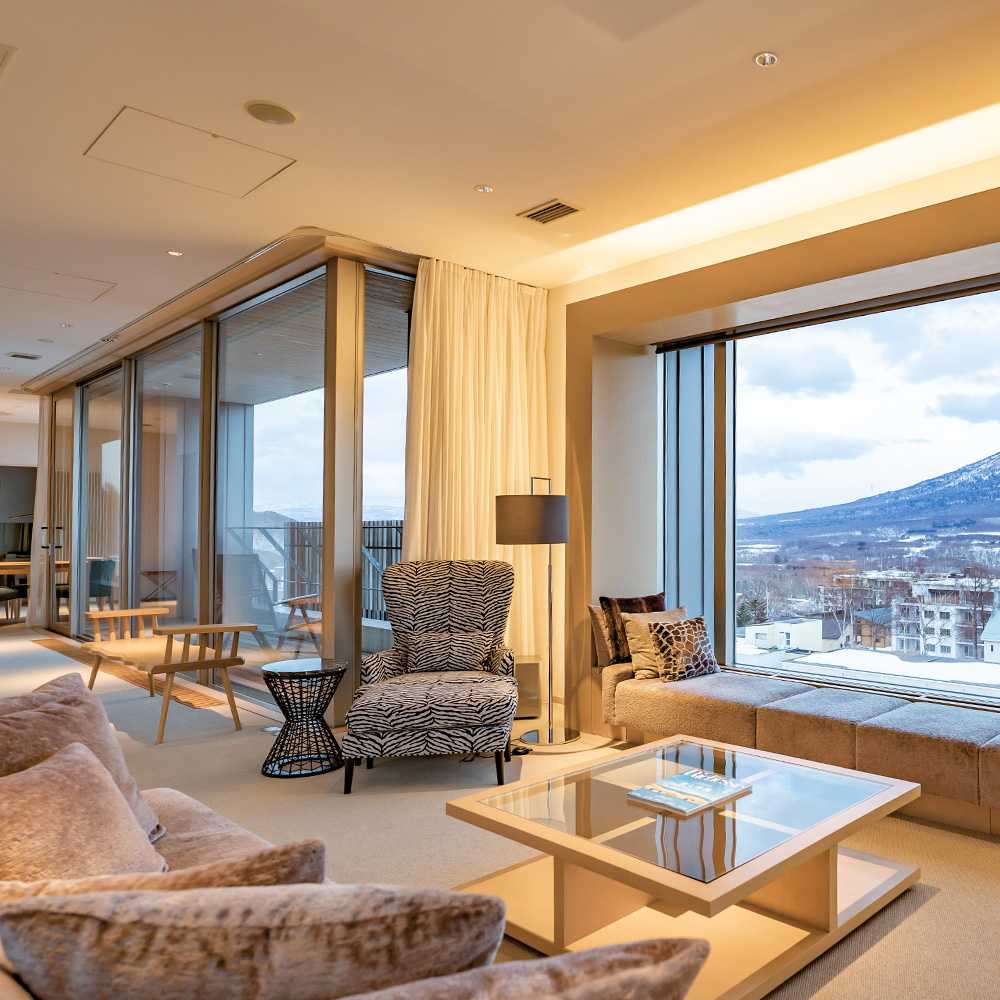 Chalet Ivy Hirafu, Niseko official site
544 reviews at 9.3 out of 10, the most-reviewed stay in Hirafu, at ¥586,000 for five peak nights — below the area median. Central enough that the whole restaurant district is a walk rather than a shuttle, which is what you are paying the Hirafu premium for.
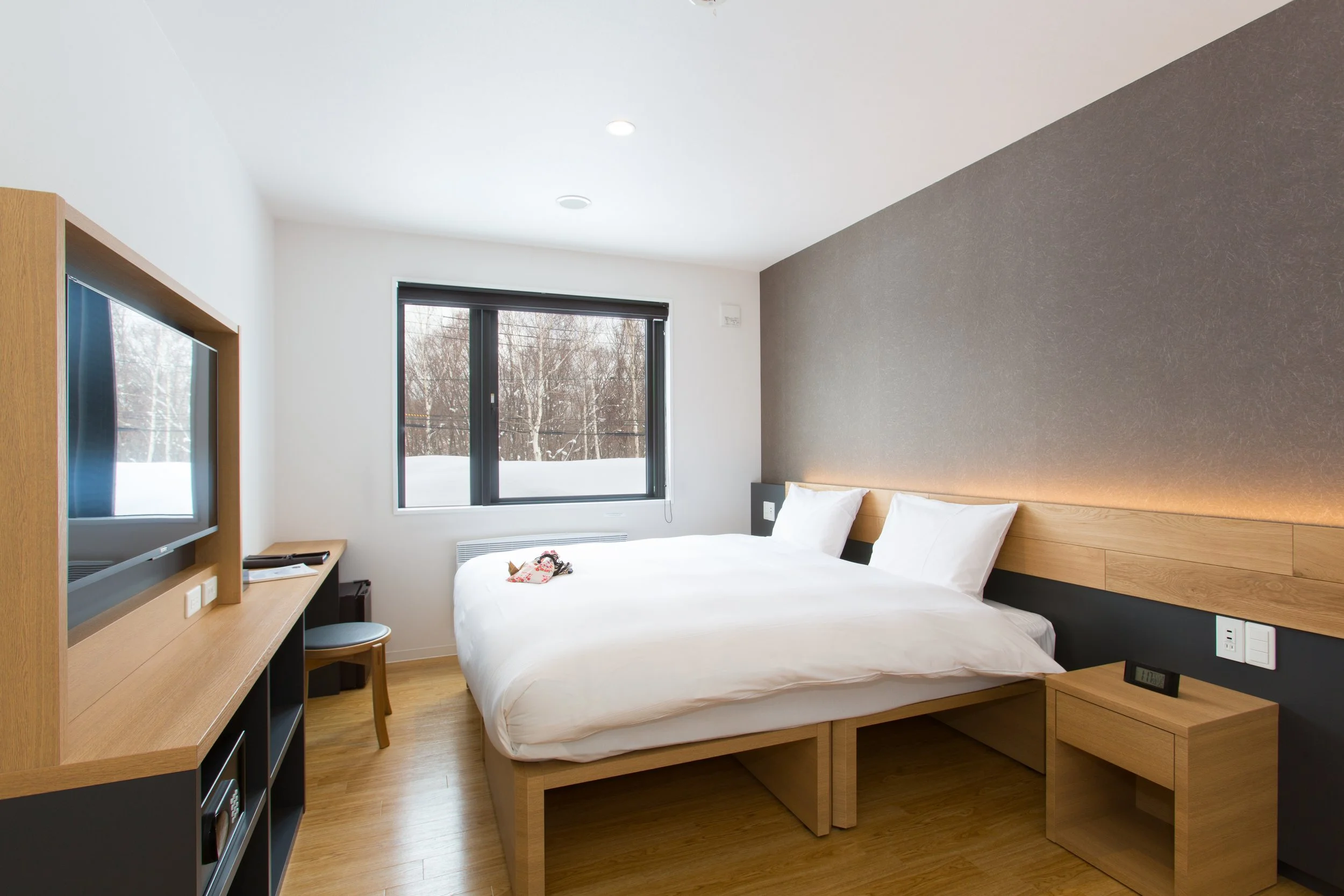 Always Niseko official site
454 reviews at 8.5 out of 10 and ¥270,580 across five peak nights, roughly ¥54,100 a night. A mid-market Hirafu hotel where the village around it, rather than the building, is doing the work at dinner time.
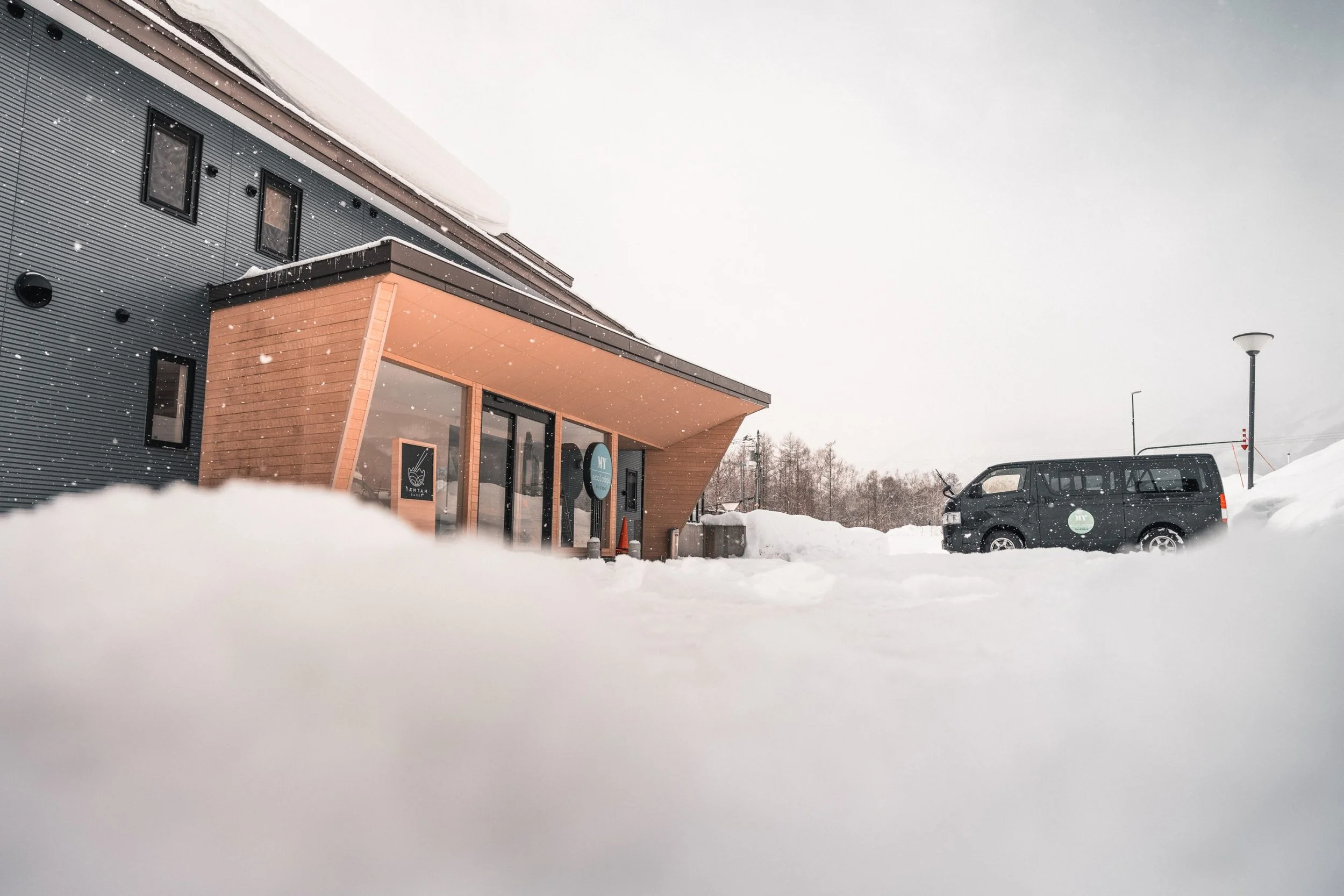 My Ecolodge official site
518 reviews at 8.5 out of 10 at ¥170,000 for five peak nights — about ¥34,000 a night, a quarter of the Hirafu median. The cheapest way to buy the walk-out-to-dinner version of Niseko.
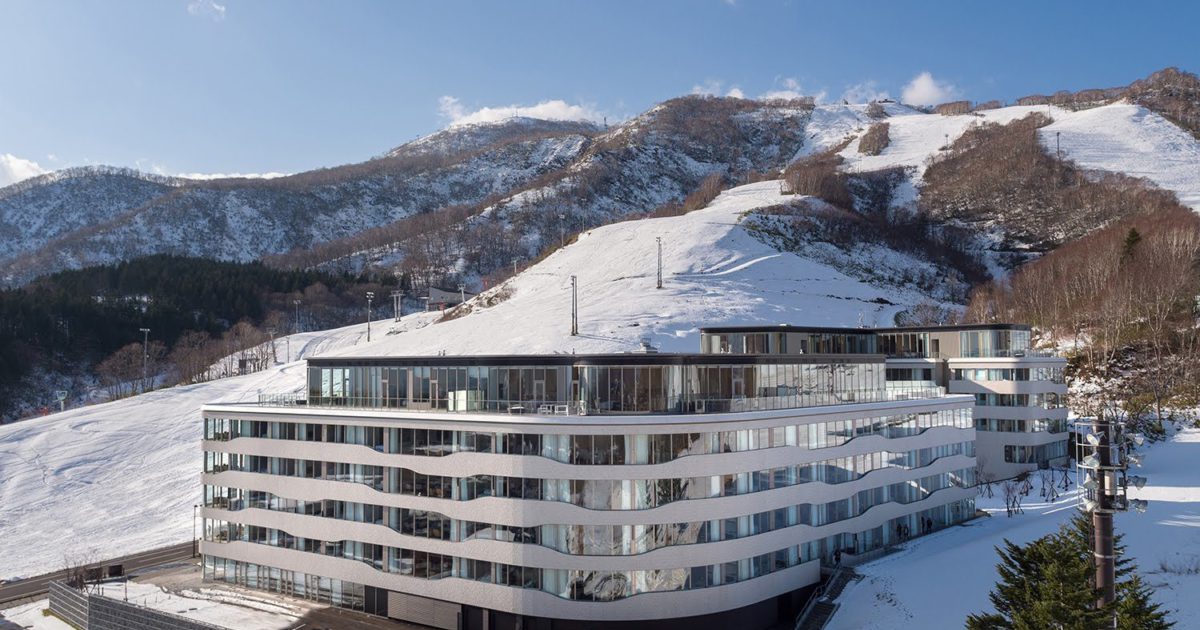 Skye Niseko official site
266 reviews at 9.4 out of 10, with 9.6 for facilities. In Hirafu the facilities score is worth reading closely, because a hotel here does not have to solve dinner and the good ones spend the budget elsewhere.
Niseko Village: dinner is a walk, while Niseko-Yo is running
If you stay in Niseko Village, the honest answer is no longer just “your hotel or the mountain.” Niseko-Yo puts a genuine walkable evening at the base of the resort — sixteen restaurants across every cuisine this article has listed, plus your own hotel’s restaurants on top of that. The trade is that it is a resort’s own precinct rather than a town: it opened in December 2023, it is still being added to each season, and a handful of its kitchens close for parts of the year. Confirm what is open the week you are travelling rather than assuming the whole precinct behaves like Hirafu’s streets do.
Hilton Niseko Village official site965 reviews at 8.1 out of 10 — the largest sample in the valley — and the hotel the Niseko-Yo shuttle stop sits at, with nine restaurants of its own on top of the nineteen buildings next door. Open in summer, which most of the valley is not.
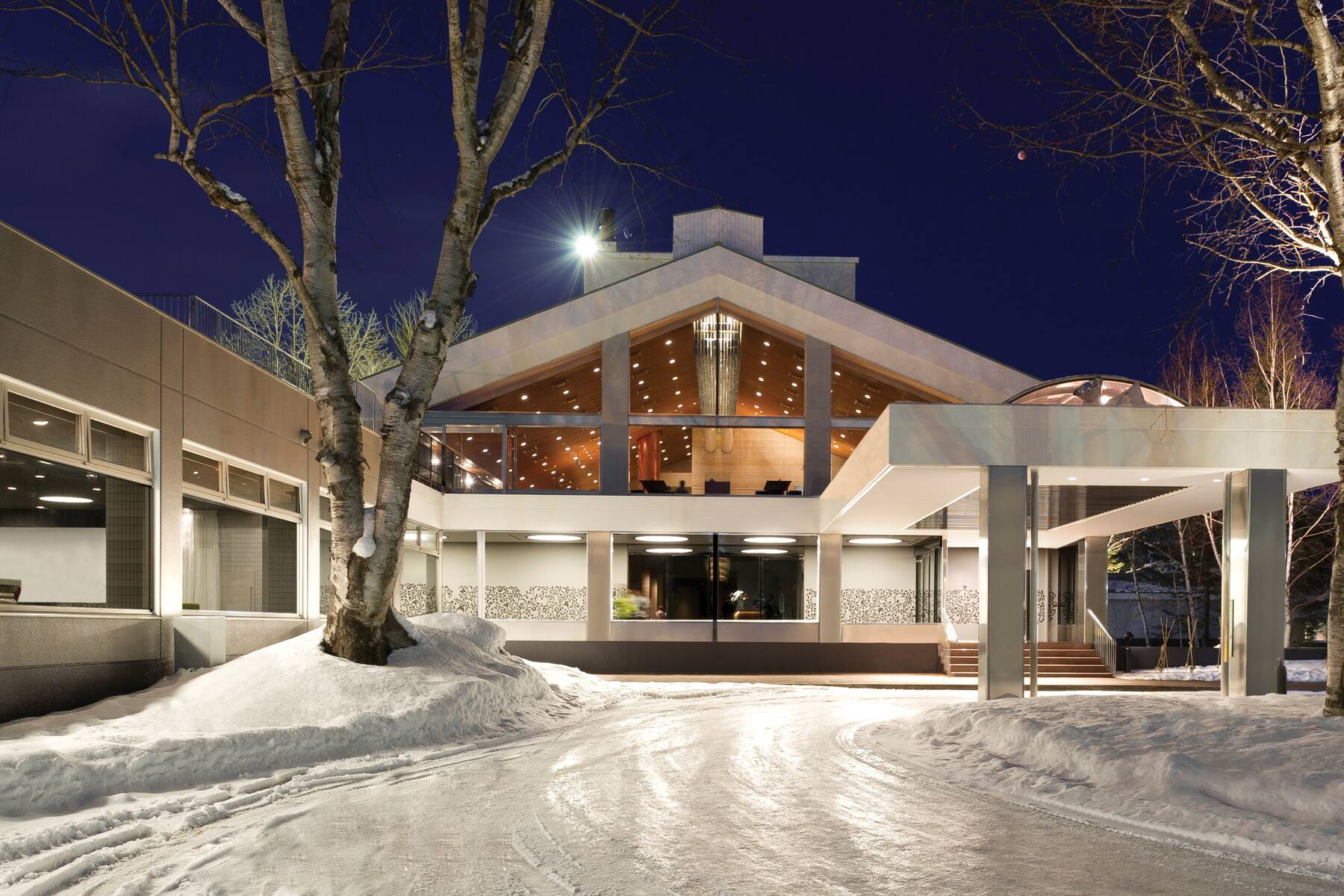 The Green Leaf Niseko Village official site
669 reviews at 8.2 out of 10 and ¥472,272 across five peak nights, in the same cluster as Niseko-Yo. The second-largest review sample in Niseko, which is what happens when an area is a small number of very large buildings.
Hanazono: dinner is a plan
If you stay in Hanazono, dinner is still a decision you make earlier, because the area has not built anything like Niseko-Yo. The answer is your hotel, the mountain, or a shuttle to Hirafu and a shuttle back. None of those is bad. All of them are a plan, rather than a whim.
The shuttle deserves a warning of its own. It runs, it is reliable, and its last departure is earlier than you will want it to be — which turns an evening in Hirafu into a fixed-end evening.
What you get in exchange is the simplest possible day: ski out of the building, eat in the building, and never think about transport. For families with small children, that trade is often correct.
 Nikko Style Niseko HANAZONO official site
295 reviews at 9.0 out of 10, the largest review sample in Hanazono, at well under half the area's ¥2,207,900 median for five peak nights. In an area with six listings and no village, the hotel is the evening.
Annupuri: dinner is your own kitchen
If you stay in Annupuri, you are between the two: some hotel dining, the onsen inns’ own kitchens, and Hirafu twenty minutes away.
The accommodation mix explains the answer. Of the 97 places listed on that side, 33 are whole villas or chalets and 19 are family-run pensions or ryokan — the highest share of both anywhere in Niseko — against 44 hotels. A whole house has a kitchen. A pension serves you. Neither of those needs a restaurant district, which is why the area works despite not having one.
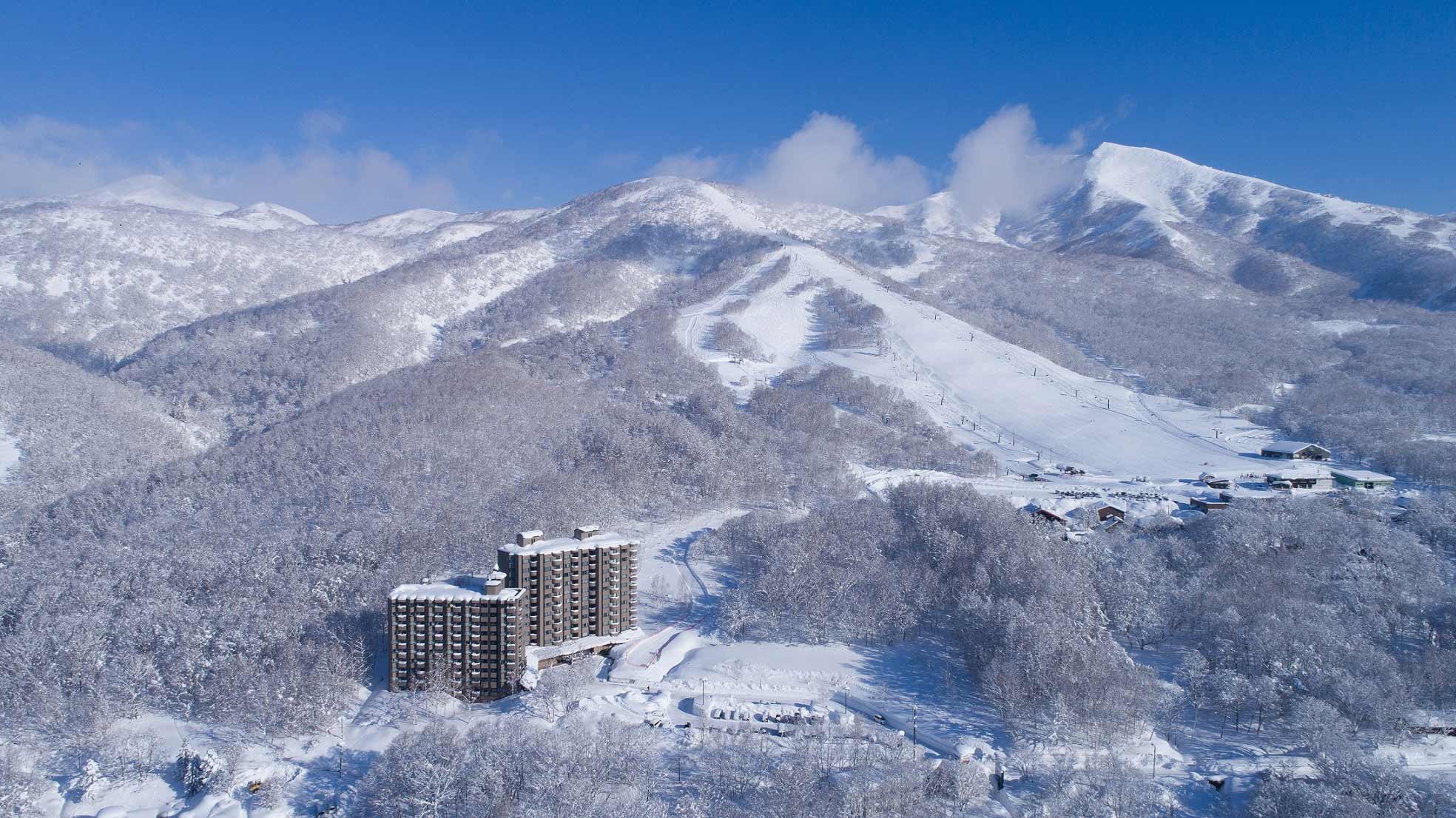 One Niseko Resort Towers official site
519 reviews at 8.2 out of 10 and ¥423,510 for five peak nights. The most-reviewed property on the Annupuri side, apartment-style and at the larger end — an area where dinner is your own decision rather than a street of restaurants.
Kutchan town: dinner is where people actually eat
If you stay in Kutchan town, you eat where the people who live here eat, and you have supermarkets — which matters more than it sounds if your accommodation has a kitchen.
This is the least-discussed dining option in the valley and probably the most underappreciated. Kutchan is the municipal seat, and its restaurants are priced for residents rather than for an international ski market. Its supermarkets are the only practical place to shop for a week of self-catering, which makes the town the natural base for anyone planning to cook — and the lowest median of the five areas, ¥521,710 for five peak nights, on top of that.
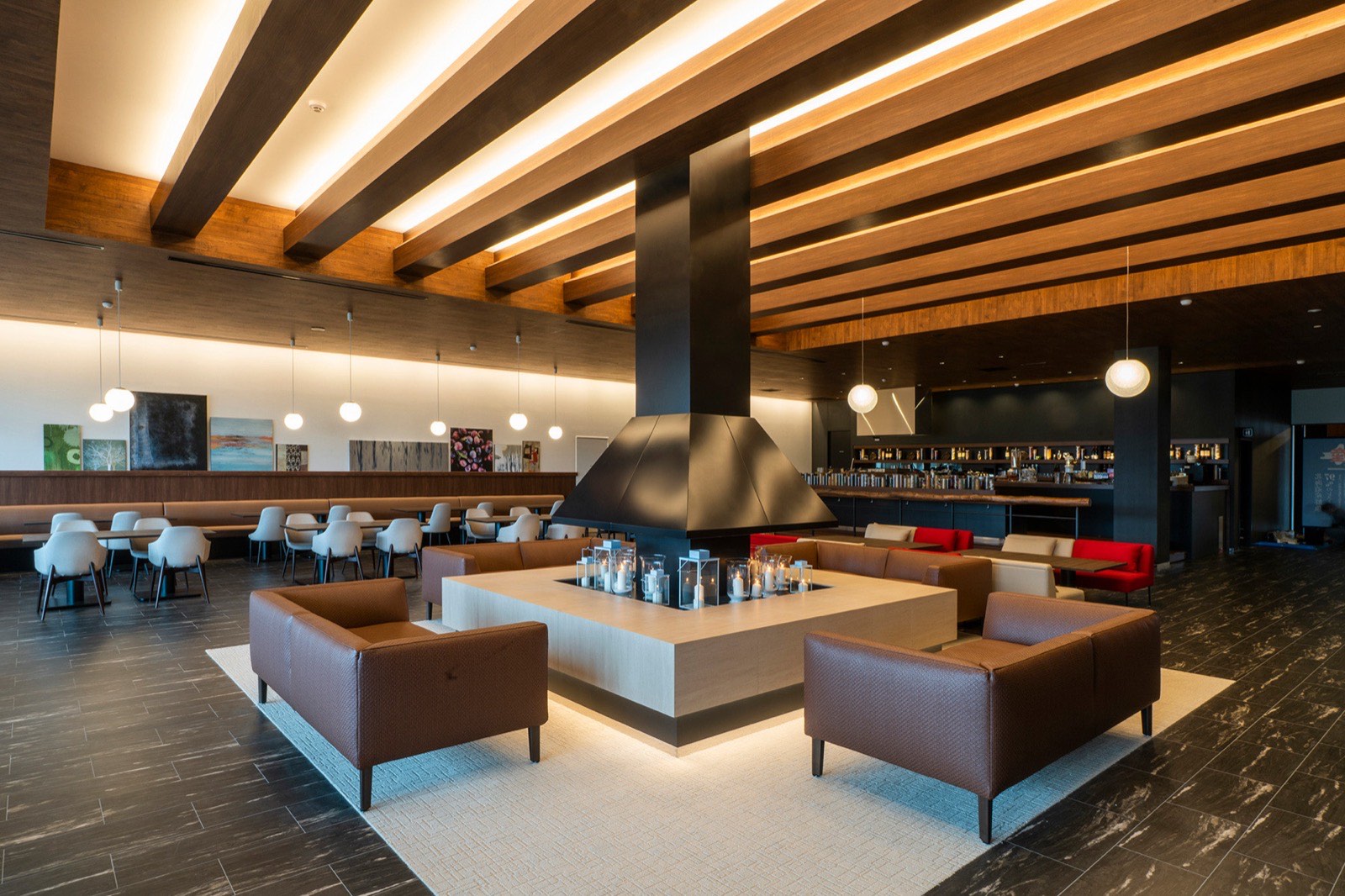 TORIFITO Hotel & Pod Niseko official site
957 reviews at 8.6 out of 10 at ¥293,040 for five peak nights, in the part of Kutchan where the everyday eating and the supermarkets are. The valley's second-largest review sample, and a format that assumes you will eat outside the building.
What the forty-six actually are
The count is one thing; the composition is what you plan around. Read the village directory’s own descriptions and Hirafu breaks down roughly like this.
Japanese, and specialised. Five sushi entries, four doing shabu-shabu or sukiyaki, three ramen, three izakaya, two yakiniku, one yakitori, one tempura, one soup curry. That is the spine of the district, and it is mostly single-dish restaurants rather than places serving everything.
Not Japanese. Four Italian or pizza entries, three French, a Cuban breakfast place, a modern Singaporean kitchen, a Mediterranean tapas room, an American sports bar, a Chinese hot-pot specialist.
And seven bars, listed separately from the restaurants — a live-music venue, a club, a cocktail bar, an alpine bar with vinyl.
Two entries carry Michelin lineage in their own copy: a sukiyaki restaurant describing ten consecutive Michelin star awards, and a sushi counter produced by a three-Michelin-starred Sapporo chef. That is why the sushi counters go first, and it is worth understanding correctly — some of what is in Hirafu is not resort food with a resort markup. It is Sapporo’s restaurant scene with a winter address.
The consequence is about reservations rather than choice. A district of single-dish specialists is a district of small rooms. Forty-six doors is not forty-six tables, and in February the gap between those two numbers is the whole problem.
The kitchen question
There is a third option that the restaurant-versus-hotel-dining framing hides: cook.
Eating out in Hirafu every night for a week is a real line in a trip budget, priced for an international ski resort rather than for rural Hokkaido. A chalet or apartment with a kitchen lets you choose which nights are restaurant nights, and Kutchan town has the supermarkets that make that work. Roughly a third of everything bookable in the valley is a whole property rather than a room — 78 chalets and houses and 16 apartments out of 314.
The arithmetic is strongly group-dependent. For two people, cooking saves money and costs an evening; for six, it changes the shape of the trip, because a whole house is priced per property rather than per person and the per-head cost of both the bed and the dinner falls at once. That case is worked through in Niseko for groups.
One thing to check before you commit to it: whether the kitchen is a kitchen. The facility list distinguishes a full kitchen from a kitchenette; the photographs do not. An oven, a proper hob and a dishwasher are the difference between cooking for six being pleasant and being a chore that ends after the second night.
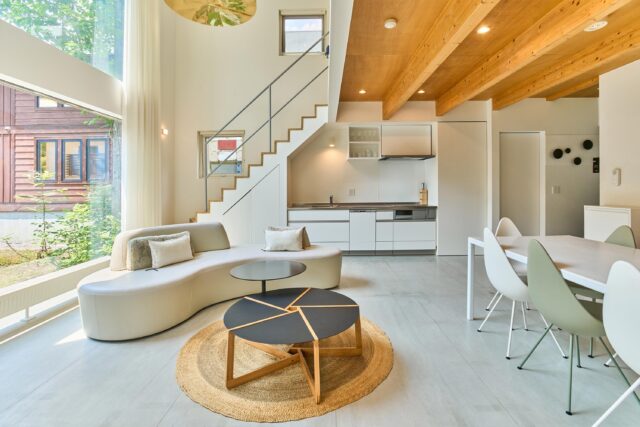 Niseko Central Condominiums official site
88 reviews at 9.1 out of 10 with 9.3 for facilities — the apartment format at its most conventional, in Hirafu, which is the combination that lets you cook some nights and walk out on the others.
73 reviews at 9.2 out of 10 and ¥614,250 for five peak nights as a whole villa on the Annupuri side. In an area with no restaurant street, the kitchen is not a bonus feature — it is the dining plan.
136 reviews at 7.9 out of 10 and ¥238,177 across five peak nights as a whole property in Kutchan — the town with the supermarkets. The score is modest; the position relative to a week of groceries is not.
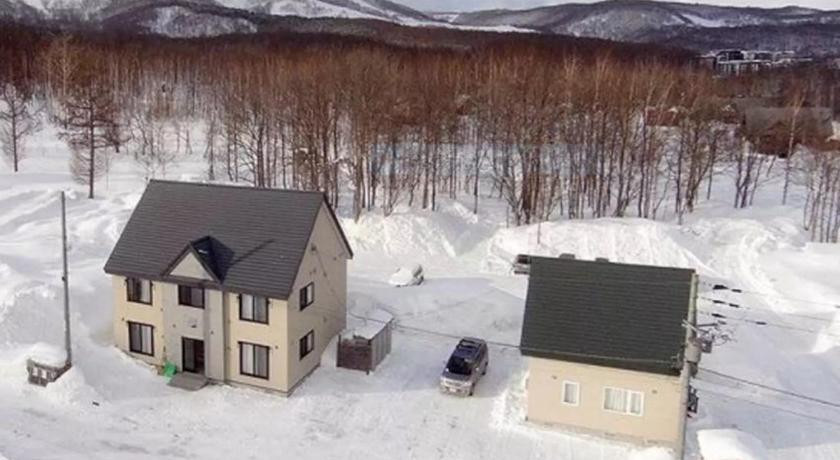 Trailside Apartments Niseko official site
69 reviews at 8.4 out of 10 at ¥312,000 for five peak nights, and one of the few apartment-format stays in the valley that also opens in summer, when much of the eating is closed anyway.
Five of the forty-six come to you
The most useful entries in the Hirafu directory are the ones that are not restaurants at all. Five of the forty-six describe takeaway, delivery or catering as the product: a private-chef and gourmet-delivery service, an A5 wagyu shabu-shabu delivery, a crab and seafood takeaway, a sushi and seafood counter prepared for takeaway, and a bar and grill that lists take-away options alongside its menu.
That answers a question this article otherwise leaves open. If you are six people in a house outside walking distance, the choice is not only cook or catch a shuttle. Somebody will bring dinner, and for a group the arithmetic of that is closer to the restaurant than to the supermarket.
It also decides where the distance question bites. Within Hirafu itself the properties written up here sit anywhere from 0.05 km to 3.2 km from the village centre, so a Hirafu address is not a promise that you can walk to the restaurants. On the Annupuri side the range runs 2.3 to 6.1 km, and in Kutchan 4.6 to 6.0. Once the walk stops being a walk — in February, in ski clothes, in the dark — a delivery arrangement is worth more to a group than a restaurant list is.
 Miru Niseko official site
510 reviews at 9.4 out of 10 and ¥361,242 for five peak nights — and 2.9 km from the Hirafu crossroads, which is further from the restaurant street than the Hilton in Niseko Village is. A Hirafu address that does not buy the Hirafu evening, which is exactly the case delivery was made for.
The option nobody looks at: let the inn cook
There is a fourth answer, and it is the one international visitors most consistently overlook. Japan’s pensions and ryokan traditionally sell the room and the meals together, and Niseko has 36 of them — 19 in Annupuri, 11 in Hirafu, three each in Kutchan and Niseko Village.
At a property like that, dinner is neither a whim nor a plan nor a supermarket run. It arrives, at a set time, cooked by the people who run the building. In an area with no restaurant district that solves the entire problem, and it solves it at a price well below what the same standard of dinner costs in Hirafu.
How many buildings actually cook is a smaller number than the format implies. Of the ninety-one Niseko properties the Japanese booking platform documents in facility detail, six record a restaurant on the premises. Everything else is either serving meals as part of a room rate without listing a restaurant, or not serving them at all.
 Niseko OAC Lodge official site
Niseko Village (Soga), 115 reviews at 8.8 out of 10, and one of the few properties whose Japanese-platform facility list records a restaurant — alongside seven rooms, ski and board rental and a drying room. On that side of the valley a lodge that feeds you is not a luxury; it is the dining plan.
Kondo, on the Annupuri/Konbu side, 66 reviews at 9.0 out of 10, 28 rooms, and a restaurant on the premises according to its Japanese listing. It has no website of its own, which is the usual reason a property like this never appears in an English-language guide to eating in Niseko.
Two things to check rather than assume. Whether meals are included in the rate you are looking at — the same room is frequently sold both with and without them, and the platforms do not always make the distinction obvious. And whether meals run all season, because a small operation may serve dinner in February and not in October.
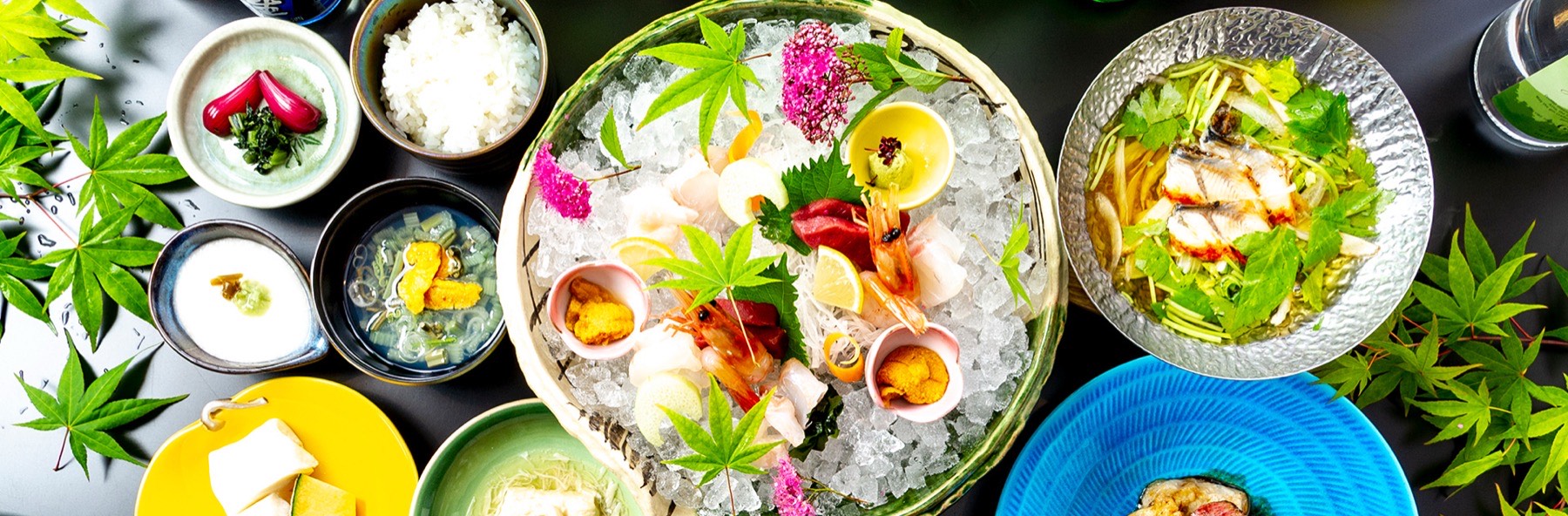 Niseko Onsenkyo Ikoino Yuyado Iroha official site
245 reviews at 8.9 out of 10 and ¥346,500 for five peak nights, on the onsen side. An inn rather than a hotel, and a review count large enough that the score means something — unusual for the format.
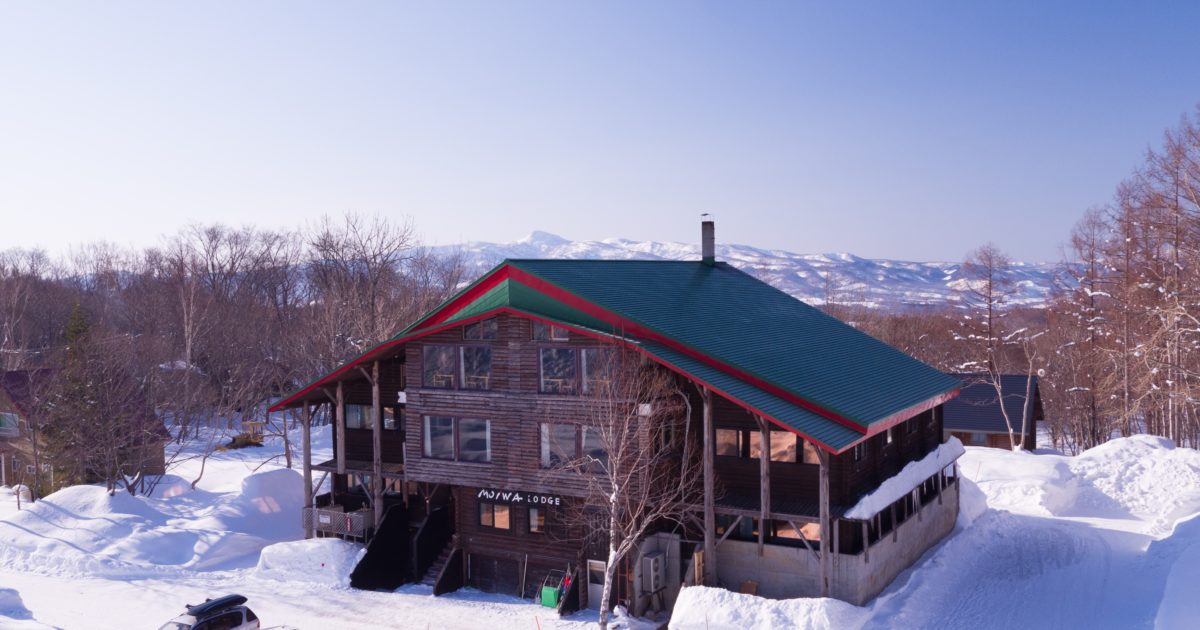 Moiwa Lodge official site
151 reviews at 9.0 out of 10 at ¥343,160 across five peak nights, on the quiet hill beside Annupuri. Sub-scores of 9.2 for facilities against 9.1 for cleanliness and comfort — an even profile, which for a lodge is the thing to want.
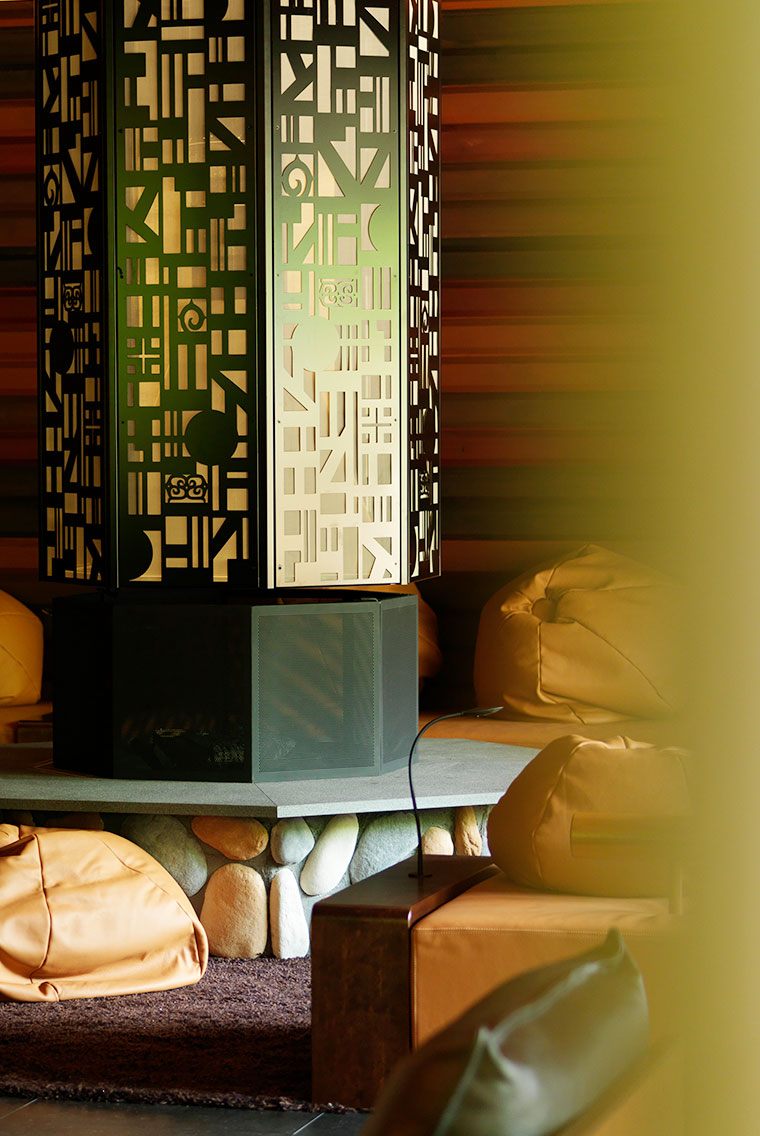 Niseko Konbu Onsen Tsuruga Bessou Moku no Sho official site
9.5 out of 10 across 138 reviews, with sub-scores of 9.8 for cleanliness, comfort and facilities alike — the highest-rated stay on the Annupuri side with a meaningful sample. A Konbu Onsen ryokan, and priced like one at ¥756,976 for five peak nights.
The onsen inns are covered in more depth in Niseko onsen stays.
What it costs to eat here
No one publishes a reliable average, and this site does not invent one. What can be said plainly is the structure: Hirafu’s restaurants are priced for an international ski resort, Kutchan’s are priced for a Hokkaido town, and the gap between those two is the largest single controllable variable in a Niseko food budget after the decision to cook or not.
Which turns the whole question into a sequence rather than a preference.
How many of you are there? Two people can eat out every night without the arithmetic becoming absurd. Six cannot, or can and should decide to do it deliberately.
Do you want to decide at six o’clock? If yes, Hirafu, and pay the premium. If no, the other four areas are cheaper and the evenings are handled a different way.
If you are cooking, where are you shopping? Kutchan. This is the actual reason to choose the town, more than the price of the room.
If you are not cooking and not in Hirafu, who is feeding you? The hotel, the mountain, or an inn that includes dinner. Confirm which before you book, not after.
Breakfast is a separate question, and a bigger one
Dinner gets all the attention; breakfast decides more of the day.
On a ski trip breakfast happens under time pressure, in the dark, before a lift queue, with people who need boots on. Where it comes from is therefore a structural question about the building rather than a preference: a hotel breakfast served from a set hour, a rate plan that includes it or does not, an inn that feeds you as part of the arrangement, or a kitchen and whatever you bought the night before.
The mistake is booking a room in an area with no restaurants, on a rate that excludes breakfast, in a building with a kettle and a sink. That combination exists, it is not flagged anywhere, and it produces a week of expensive improvisation.
Three checks, all of them on the listing rather than in the photographs. Does the rate you are comparing include breakfast, or is that a different rate for the same room? Does the property serve it at a time that works for a first lift, or at nine? And if you are self-catering, does the kitchen have what breakfast for your party actually needs — which for four people is a hob and a toaster, not a microwave.
For a group in a whole house this is usually the easiest meal to solve and the largest saving, because breakfast is the meal restaurants mark up least interestingly and the one that most benefits from being eaten at your own pace. For two people in a hotel, an included breakfast is often worth more than the rate difference suggests, precisely because of the hour it is eaten at.
What a dining directory cannot tell you
Four things decide whether the eating in your area works, and none of them appears in any of the counts above.
Opening hours against your ski day. The lifts and the kitchens do not keep the same calendar, and in a resort with a large evening trade the useful question is what is serving at nine, not what is serving at six.
Capacity. Hirafu’s better restaurants are small. Forty-six venues in a village is a lot of doors and not necessarily a lot of seats in February, which is why the booking-ahead advice below is not a formality.
Whether it is seasonal. A venue that exists to serve a lift queue closes when the lift stops. The on-mountain directories in particular describe a winter that is roughly four months long.
Whether you can get back. Any evening that involves a shuttle has an end time attached to it, set by the last run rather than by you. This is the single most common way a Niseko evening goes wrong, and it is entirely predictable the day before.
Who should pick which area for dining
| You are | Book | The trade |
|---|---|---|
| Wanting to choose dinner at six, on foot | Hirafu | Roughly ¥100,000 more per five peak nights than Annupuri for the privilege |
| Wanting the day simple but still want to walk to dinner | Niseko Village | Check Niseko-Yo’s current season before you rely on a specific venue being open |
| Wanting the day simple, full stop | Hanazono | The hotel and the mountain do the feeding; the shuttle timetable is the only real constraint |
| A group where the budget matters | A whole house with a real kitchen, Kutchan for the supermarkets | You are trading restaurant convenience for control over the food bill |
| Wanting dinner solved without cooking or resort prices | A pension or ryokan with meals in the rate | 36 of them in the valley, 19 on the Annupuri side — the category most English-language guides skip |
| Coming in summer | Plan around the kitchen, not the directory | Assume much of the eating is seasonally shut and treat cooking as the plan rather than the backup |
Two things to plan for
Book ahead in peak season. Hirafu’s good restaurants are small, the village is full between late December and February, and the sushi counters go first. The properties that can help with this are usually the larger hotels with a concierge; a self-catering apartment will not make the call for you.
Check what is open. The valley empties in green season and a great deal of the eating closes with it, on-mountain venues most of all. A restaurant that was the highlight of someone’s February is not necessarily serving in August. In summer the kitchen question stops being an economy and becomes the plan — see Niseko in summer, where the fifty-four places that stay open are set out by area.
The most-reviewed Hirafu properties on this site, read 9 September 2026 — the area with the most doors within walking distance, if choosing dinner unplanned and on foot is the point of the evening.
Chalet Ivy Hirafu, NisekoHirafuOnsenWinter only¥117,200 (~$742)/night · 5-night peak avgMy EcolodgeHirafuWinter only¥34,000 (~$215)/night · 5-night peak avgMiru NisekoHirafuWinter only¥72,248 (~$457)/night · 5-night peak avgAlways NisekoHirafuWinter only¥54,116 (~$343)/night · 5-night peak avg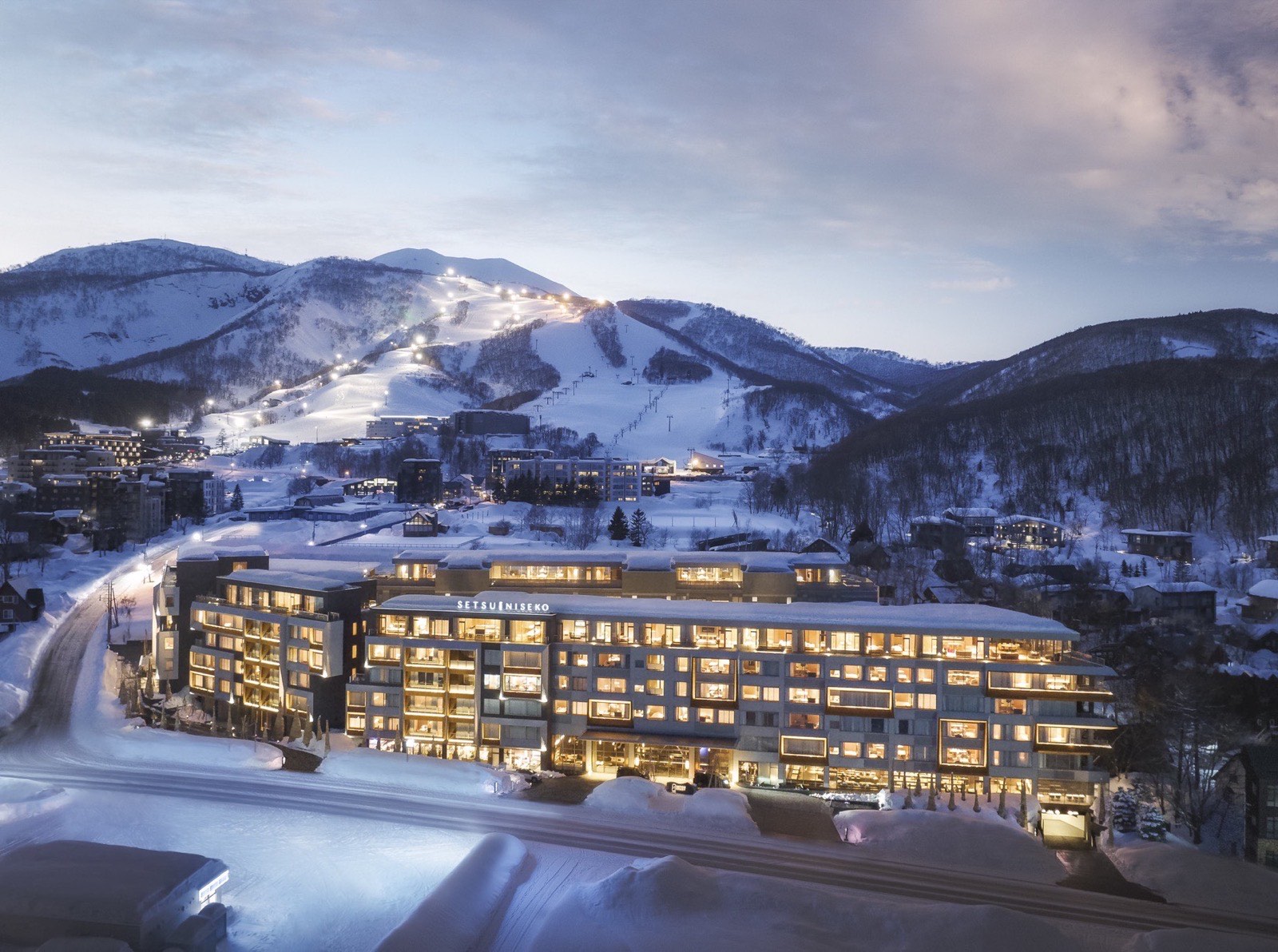 Setsu NisekoHirafuOnsenWinter only¥356,620 (~$2,257)/night · 5-night peak avgQ FOX GMG HOTELHirafuWinter only
 Ki NisekoHirafuOnsenWinter only
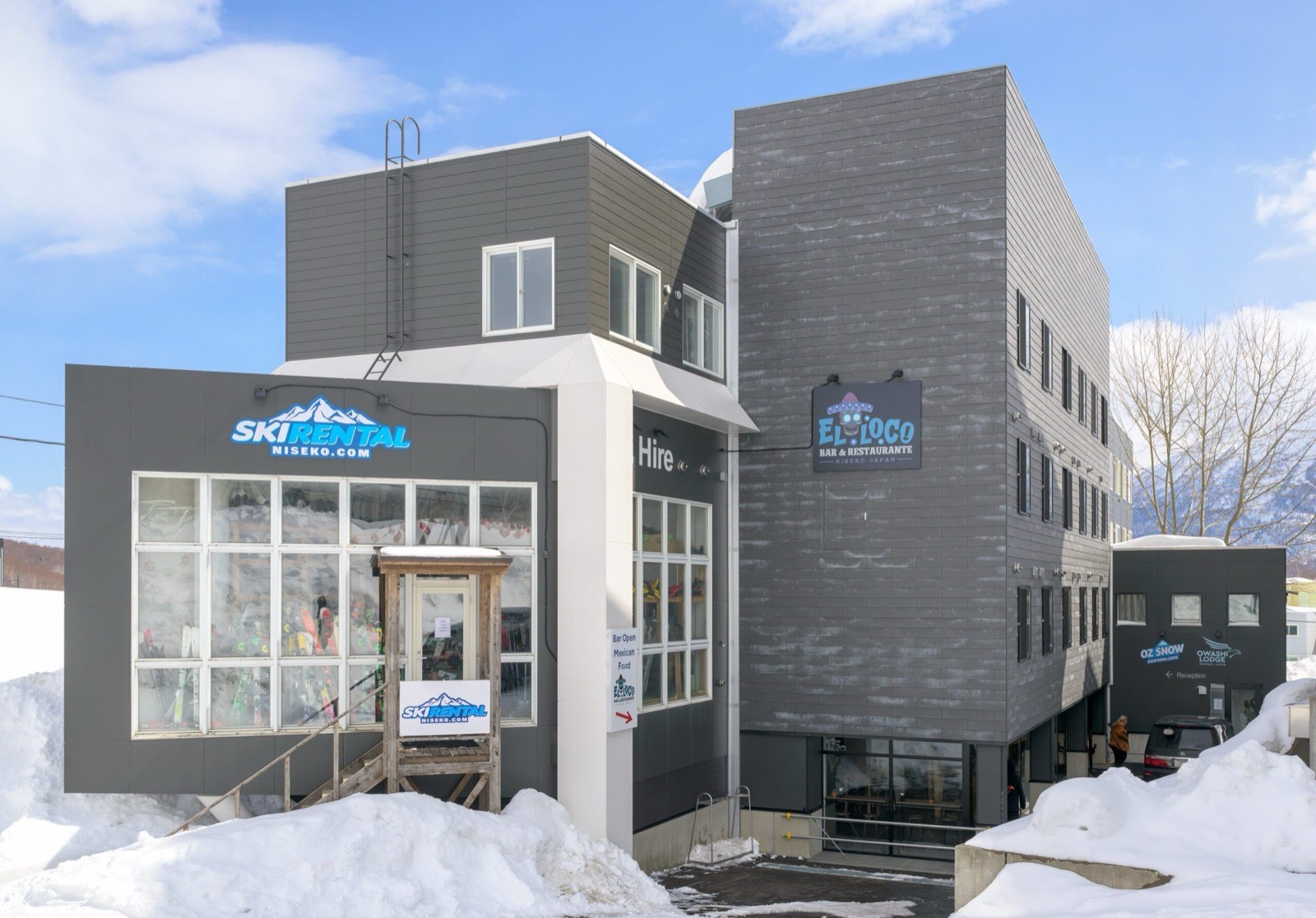 Owashi LodgeHirafuWinter only¥34,900 (~$221)/night · 5-night peak avg
Questions
- Where are the best restaurants in Niseko?
- In Hirafu village, at the base of the Grand Hirafu ski area. It is the only part of Niseko with a walkable concentration of independent restaurants and bars — dozens of them within a few streets. The other areas have hotel and on-mountain dining rather than a restaurant district.
- How many restaurants are there in Hirafu?
- Dozens within walking distance of each other. A single Hirafu accommodation directory lists forty-six places to eat in the village, and that is one directory rather than the full count.
- Can I eat on the mountain in Niseko?
- Yes, and where you can depends on the area. Niseko Village has Niseko-Yo, a purpose-built cluster of nineteen standalone restaurants and shops around its own gondola stop, plus each hotel's own restaurants on top. Hanazono, Annupuri and Grand Hirafu have a smaller handful of on-mountain and hotel venues each, because none of them has built anything comparable.
- Do I need restaurant reservations in Niseko?
- In peak winter, yes, for anything you actually care about. Hirafu's better restaurants are small and the village fills up. Book before you arrive rather than on the day, particularly for the sushi counters.
- Are Niseko restaurants open in summer?
- Many are not. The valley empties when the snow goes and much of the hospitality closes with it, including on-mountain venues that are winter-only by design. Check individually rather than assuming — the seasonality is not always stated on a listing.
- Is food expensive in Niseko?
- It is priced for an international ski resort rather than for rural Hokkaido, and eating out every night is a real line in a trip budget. This is one of the arguments for a chalet or apartment with a kitchen if you are travelling as a group.
- Where can I eat if I stay in Niseko Village or Hanazono?
- In Hanazono, mostly your hotel — Park Hyatt Niseko Hanazono holds most of the area's directory. In Niseko Village, your hotel's own restaurants, or Niseko-Yo — nineteen standalone restaurants, cafés and shops built by the resort around their own gondola stop, walkable rather than inside any hotel. It has run through the year since opening in December 2023, though not every venue keeps the same hours in every season.
- Do Niseko Village and Hanazono really have more restaurants than Hirafu?
- Hirafu still has far more independent, permanent, year-round dining than anywhere else in the valley — Niseko-Yo runs one operator's nineteen buildings, styled as a village rather than grown as one. Add the three hotels' own restaurants behind it and Niseko Village's real total is well past thirty, more than the headline directory count suggests. Most of Hanazono's venues give an address inside Park Hyatt Niseko Hanazono. Hirafu's five on-mountain venues sit at gondola stations, and its village directory lists forty-six independent places below the hill, run by people who do not work for the ski area.
- Is there good sushi in Niseko?
- Yes, and it is one of the things the valley is known for among returning visitors. The counters are small and booked early in peak season.
- Can I eat in Kutchan town?
- Yes, and it is where you find everyday Japanese eating rather than resort dining — including the supermarkets, which matter if you are self-catering.