First time in Niseko: the six things worth knowing before you book
One lift pass covers four ski areas, so the area you sleep in is not about terrain. Most of the valley shuts in summer. And the label on the booking page is written by the property.
Jun Uchiyama · Last updated September 2026
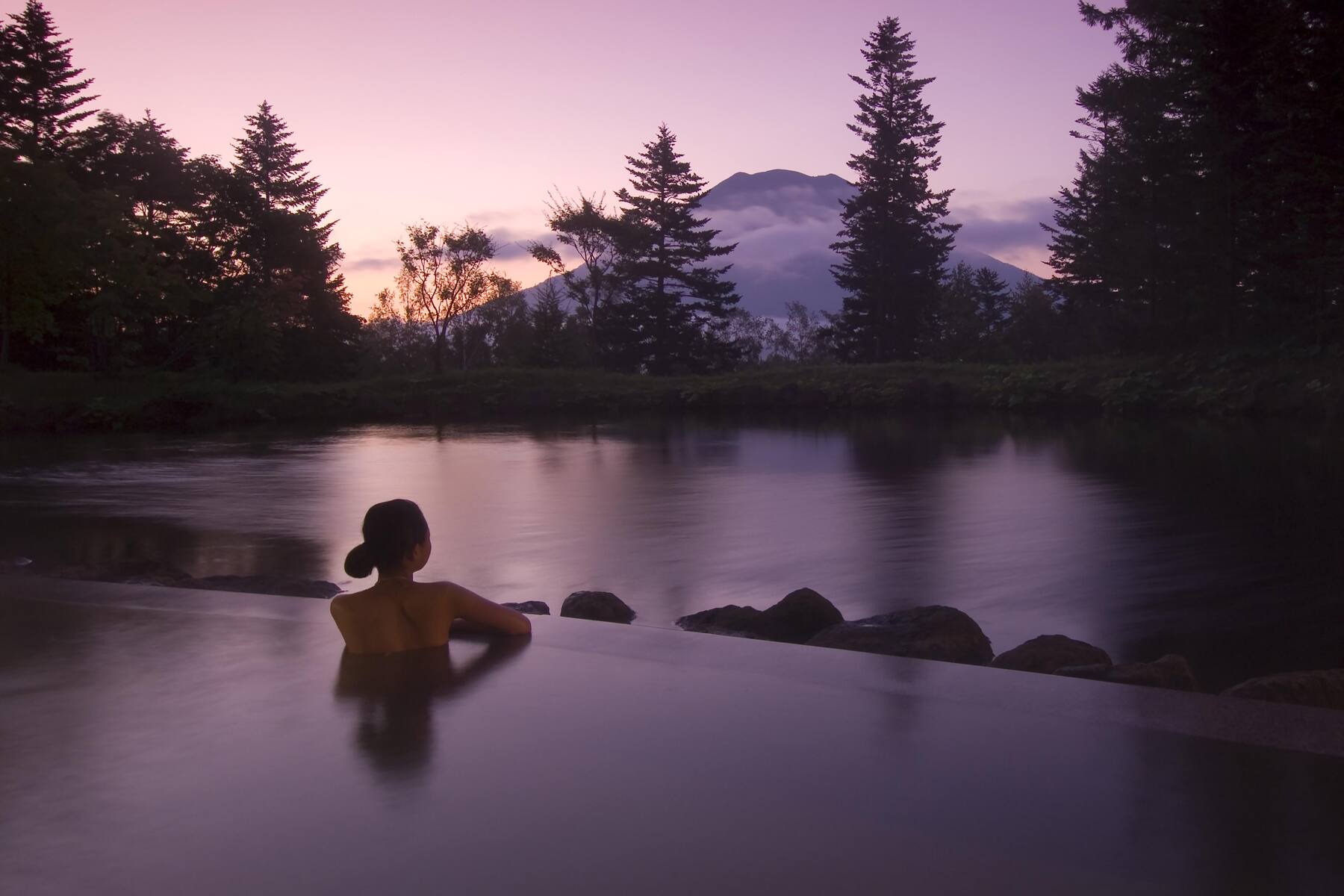
Niseko is unusual among Japanese ski destinations in that almost nothing about it works the way the booking page implies. Four ski areas share one mountain and one pass. Only one of them has a village at the bottom. The season is shorter than the calendar suggests, the transport to it stops earlier than your flight lands, and the two numbers on the listing — the review score and the access claim — are the two least reliable things on the page.
Six things, then. Each one changes a booking decision, and each one is easier to fix before you have paid for anything.
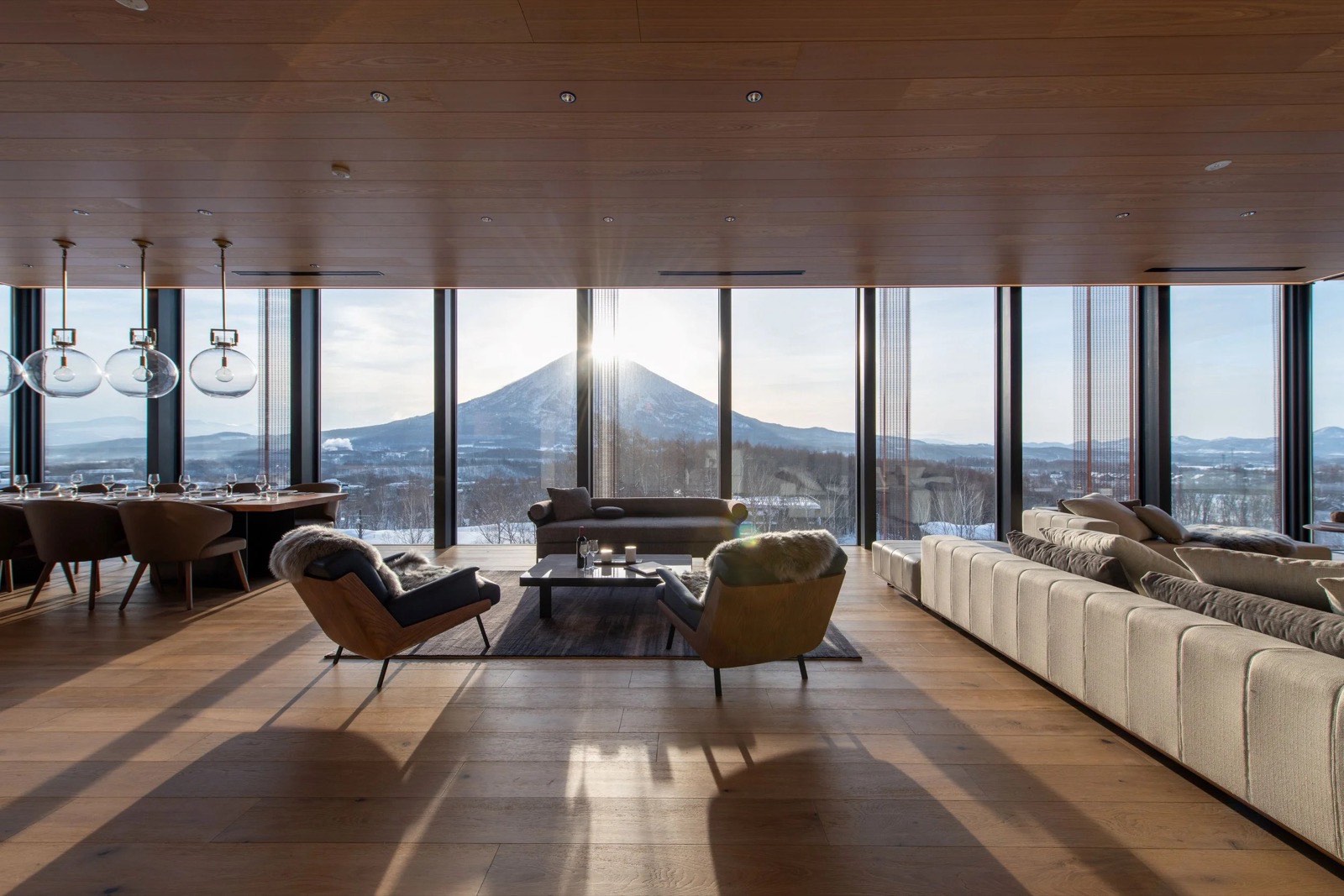
1. The pass covers all four areas, so your base is not about terrain
Grand Hirafu, Hanazono, Niseko Village and Annupuri sit on the same mountain and connect at the top. One all-mountain pass moves you between them; a shuttle network moves you between the villages below — though that shuttle is not free transport on a non-ski day, since boarding it uses up a day or an hour of the pass you scan. The full mechanics, including the areas’ different closing dates, are in Niseko United.
Which means the usual advice — stay near the terrain you want to ski — does not apply. You are choosing a base, and the things that actually differ are price, quiet, and whether there is anywhere to eat.
This is worth sitting with, because it inverts the normal research order. At most resorts you pick the terrain and the accommodation follows. Here the terrain is a solved problem on day one, and everything you are actually choosing between happens between four in the afternoon and nine in the morning: how far you walk with equipment, what you eat, how much the week costs, and whether the place is quiet or busy when you get back.
The five bases are not equally sized, and that alone rules things in and out. Across the valley there are 314 places bookable from abroad, and they are distributed like this:
| Area | Places to stay | Median, five peak nights |
|---|---|---|
| Hirafu | 148 | ¥740,383 |
| Annupuri and Konbu | 97 | ¥635,250 |
| Kutchan town | 42 | ¥521,710 |
| Niseko Village | 21 | ¥795,947 |
| Hanazono | 6 | ¥2,207,900 |
Read 9 September 2026 from each property’s Booking.com listing — the room type and guest count are whatever that property was quoting as its cheapest available at the time, not a fixed configuration we chose, so compare the shape of the numbers rather than any single figure as your rate. Hirafu holds more than the other four put together, which is why the choice feels overwhelming there and thin everywhere else — and why almost every article you will read about Niseko is really an article about Hirafu.
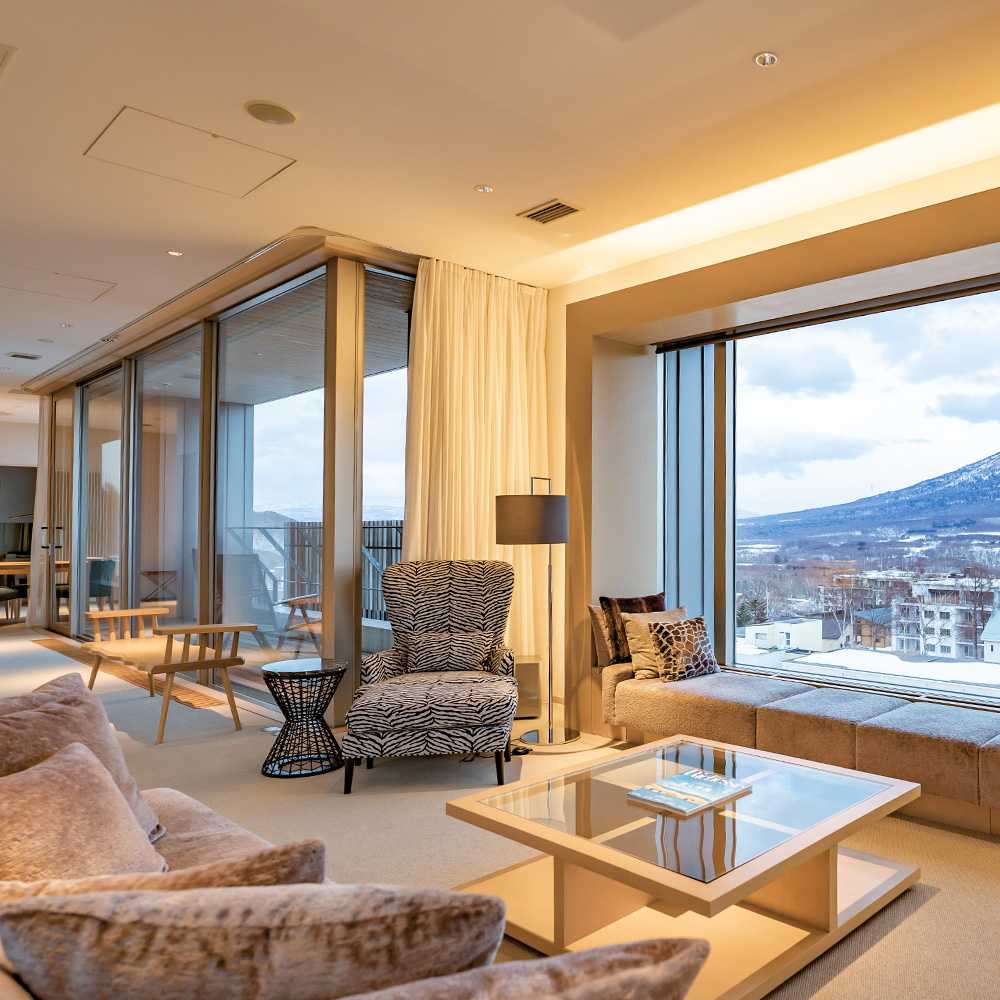 Chalet Ivy Hirafu, Niseko official site
The most-reviewed stay in Hirafu, at 544 reviews and 9.3 out of 10, for a five-night peak total slightly below the Hirafu median. A useful first calibration point: this is roughly what the middle of the busiest area looks like.
Hilton Niseko Village official site965 reviews — the largest sample anywhere in the valley — at 8.1 out of 10. It sits in Niseko Village, where the lifts and the hotels were built together, and it is the clearest example of the trade this article keeps returning to: direct access, and an evening built by one operator rather than dozens of independent ones.
The full case for each area, with the numbers behind it, is in choosing a Niseko area. If you only read one other thing before booking, read that one.
2. Only one of the four grew a village underneath it on its own
Hirafu. Dozens of restaurants and bars within a few streets, reachable on foot in ski boots, run by people who do not work for the ski area.
Hanazono built its dining onto the mountain instead, because there is nothing at the bottom of it — mostly one hotel’s kitchens. Grand Hirafu and Annupuri’s on-mountain dining is thinner still. Niseko Village started the same way, then went further: since December 2023 its operator has built its own dining precinct at the base, Niseko-Yo, which is walked through rather than eaten in a hotel — the exact count, and who actually owns those rooms, is in eating in Niseko. It is still a resort’s version of a village rather than Hirafu’s independent one.
So: if dinner is a decision you want to make at six o’clock, on foot, stay in Hirafu. Everywhere else it is a plan made earlier.
The word people get wrong here is village. Niseko Village is a single integrated resort with one operator, four hotels and a handful of houses on the approach — and since December 2023 it has built its own dining precinct at the base, Niseko-Yo, which is a real village in the sense that you can walk between nineteen separate buildings, just not one that grew independently the way Hirafu’s did. Hanazono is six properties and a lift, with nothing comparable. Kutchan is a real town, but it is a working Hokkaido town with supermarkets and a railway station rather than a resort street, and it is roughly 5 km from central Hirafu. Annupuri is quiet by design.
None of that is a criticism. It is a question of what you want your evening to be, and the honest version is that most people discover they had an opinion about it only after they arrived. The full mechanism — why the restaurant count comes out backwards — is in eating in Niseko.
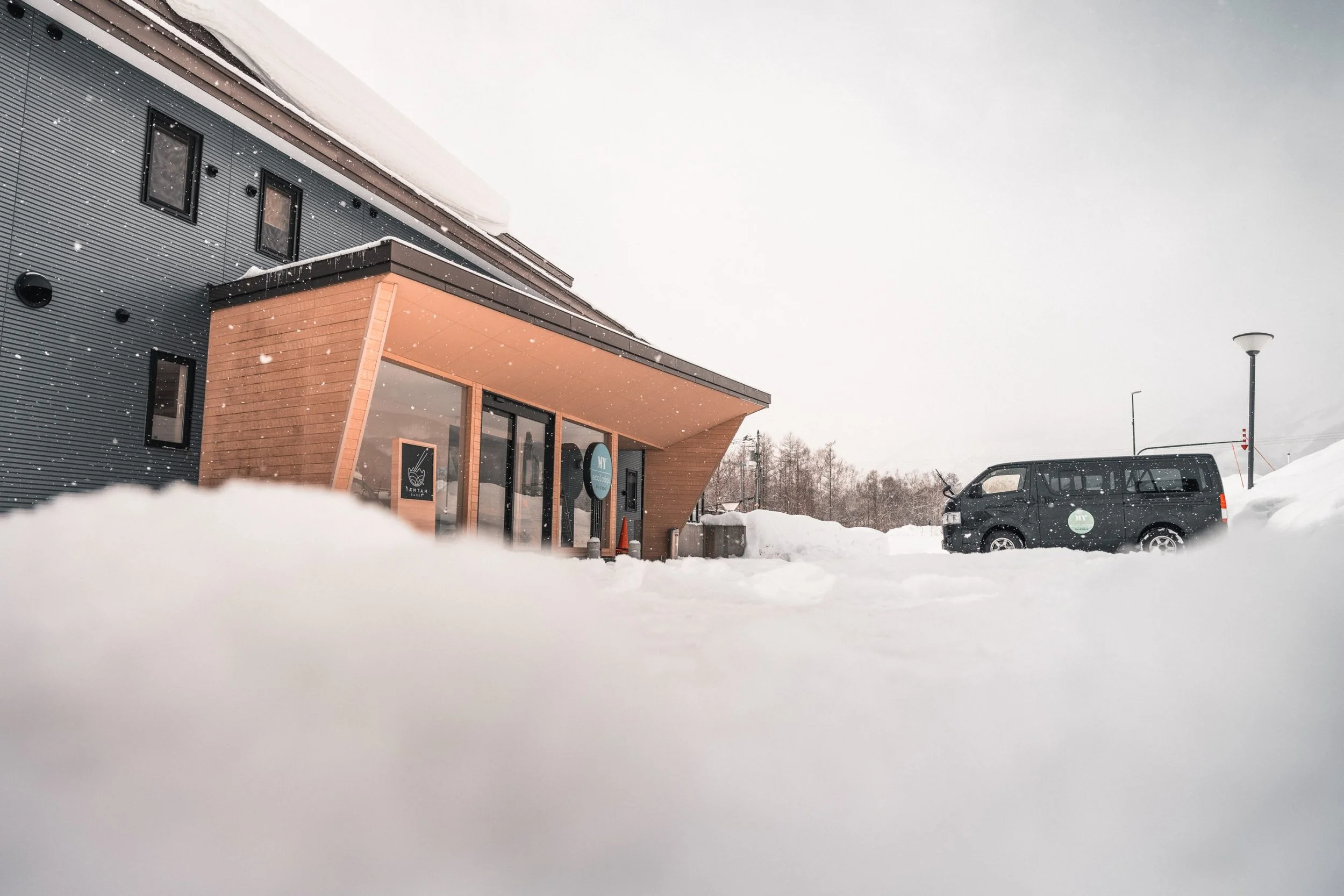 My Ecolodge official site
518 reviews at 8.5 out of 10, and a five-night peak total around a quarter of the Hirafu median. If you want Hirafu's evenings but not Hirafu's prices, this is the shape that compromise takes.
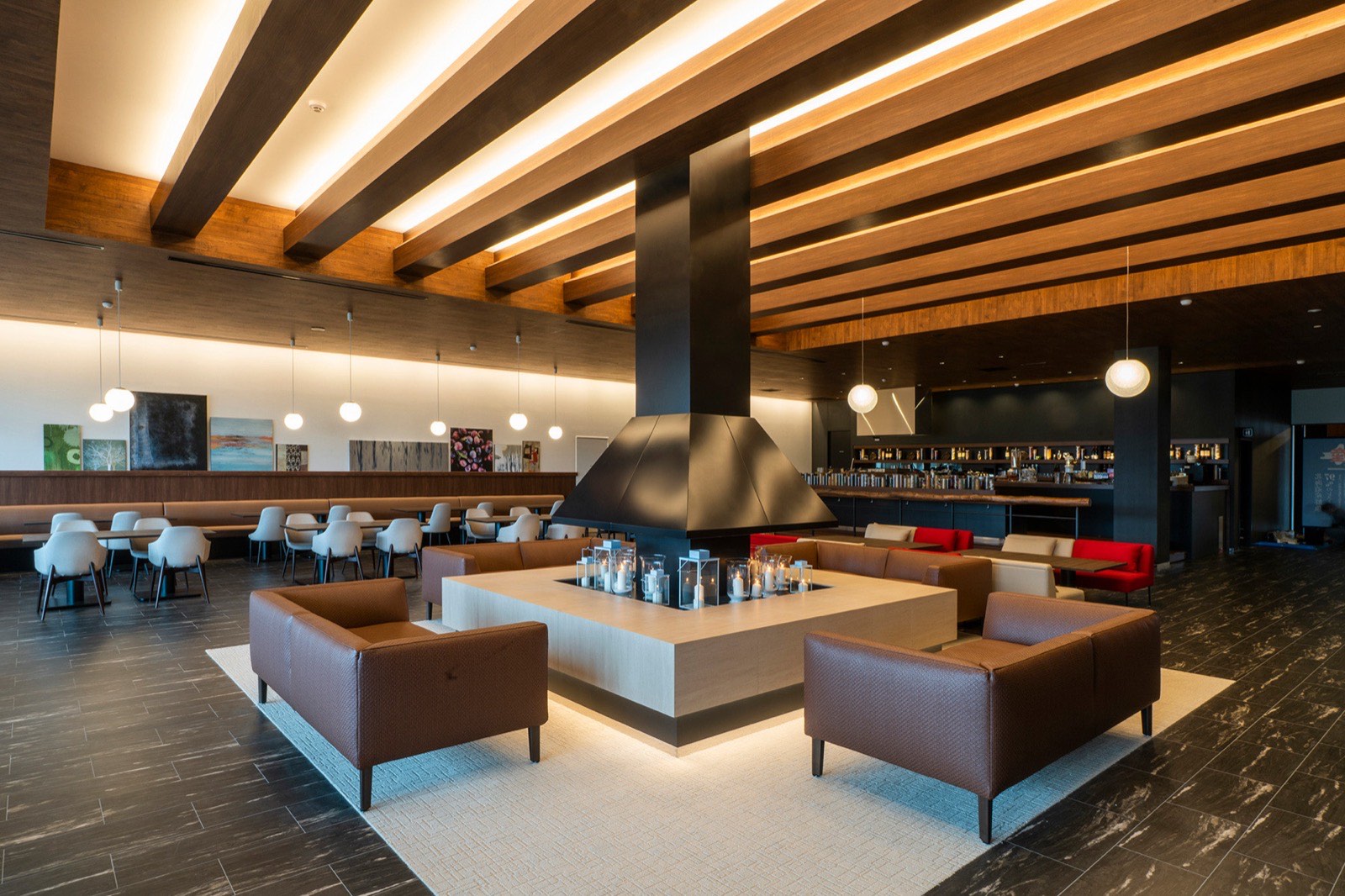 TORIFITO Hotel & Pod Niseko official site
957 reviews at 8.6 out of 10 in Kutchan town — the second-largest review sample in the valley. A pod hotel next to the town's everyday eating and its supermarkets, which is a different evening from Hirafu's and much cheaper.
3. The airport bus is winter-only, and it stops in the afternoon
There is no airport at Niseko. Everyone lands at New Chitose and travels about three hours west, and the seasonal ski bus is the sane way to do it with luggage.
Its departures are daytime. An evening arrival can leave you with no scheduled way to Niseko that night — a private transfer, or a hotel near the airport and a morning start. This is a flight-booking decision, and it is much cheaper to solve before you buy the ticket.
Two consequences people miss. The first is that the bus is a winter service: outside its published operating period it does not run at all, which is why summer visitors find Niseko harder to reach than the map suggests. The second is that the timetables use Niseko Annupuri as their destination, and most visitors do not sleep in Annupuri. The gap between arriving in Niseko and arriving at your accommodation is a further leg, and it is the one people forget to plan.
Ask the property, before you book transport, which stop you should get off at and whether they meet it. Some run their own pick-up from a village stop and some do not, and the answer changes what your first evening looks like. Fares, journey times and the train alternative are in getting to Niseko.
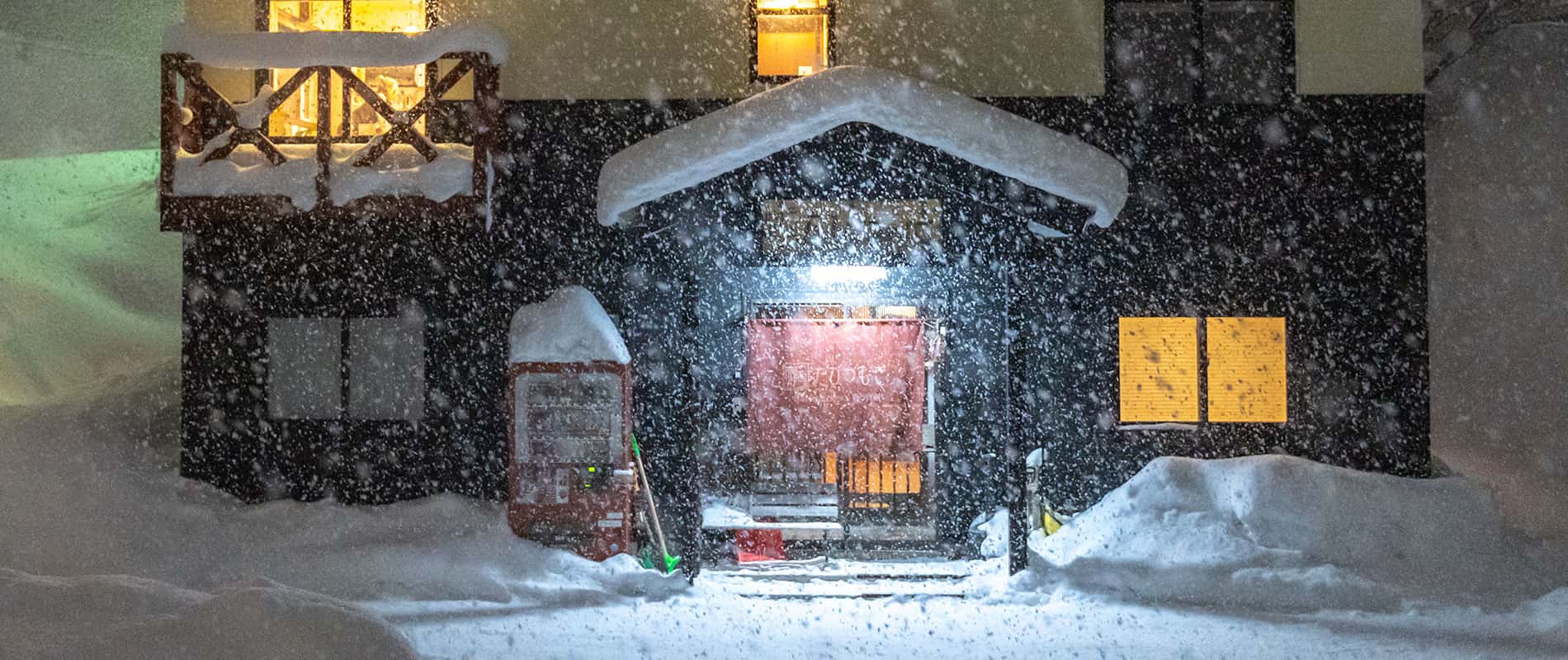 Niseko Tabi-tsumugi Backpackers official site
9.7 out of 10 across 161 reviews, at the lowest five-night peak total of any well-reviewed stay in Kutchan. Being in the town rather than on the hill is what makes the railway a real option rather than a novelty.
4. Most of the valley shuts in summer
Of everything bookable here from abroad, fifty-four places take summer reservations. None of Hanazono’s show summer availability through the platforms we track, though its operator does market some of the same properties directly for the green season.
Booking sites show those dates as sold out rather than closed, which reads as a demand problem and is a season problem. If you are planning anything outside December to March, check what is open before you check anything else.
The distribution inverts, too. Annupuri and Kutchan town hold four in five of the green season between them — 26 and 17 places respectively — while Hirafu, which has roughly half the valley’s accommodation in winter, keeps nine. That is not arbitrary: Annupuri is the onsen side, and a hot spring inn has a reason to open in July that a ski-in condominium does not. Kutchan is a town whose hotels serve people who were never there for the mountain.
The summer valley is a different place from the winter one, and it is in a different part of the map. The detail, including what it costs, is in Niseko in summer.
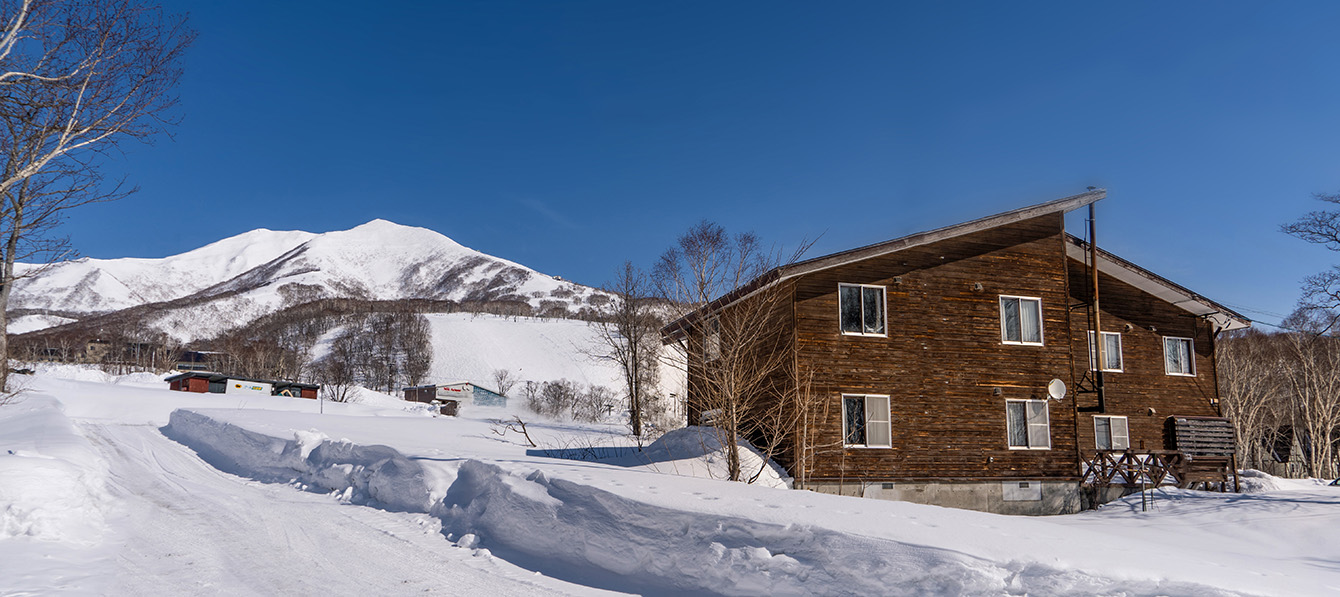 Annupuri Mountain View Lodge official site
106 reviews at 9.2 out of 10, open in summer, and a five-night peak total of ¥215,000 — the sort of small lodge that carries the green season while the ski-in properties are shut.
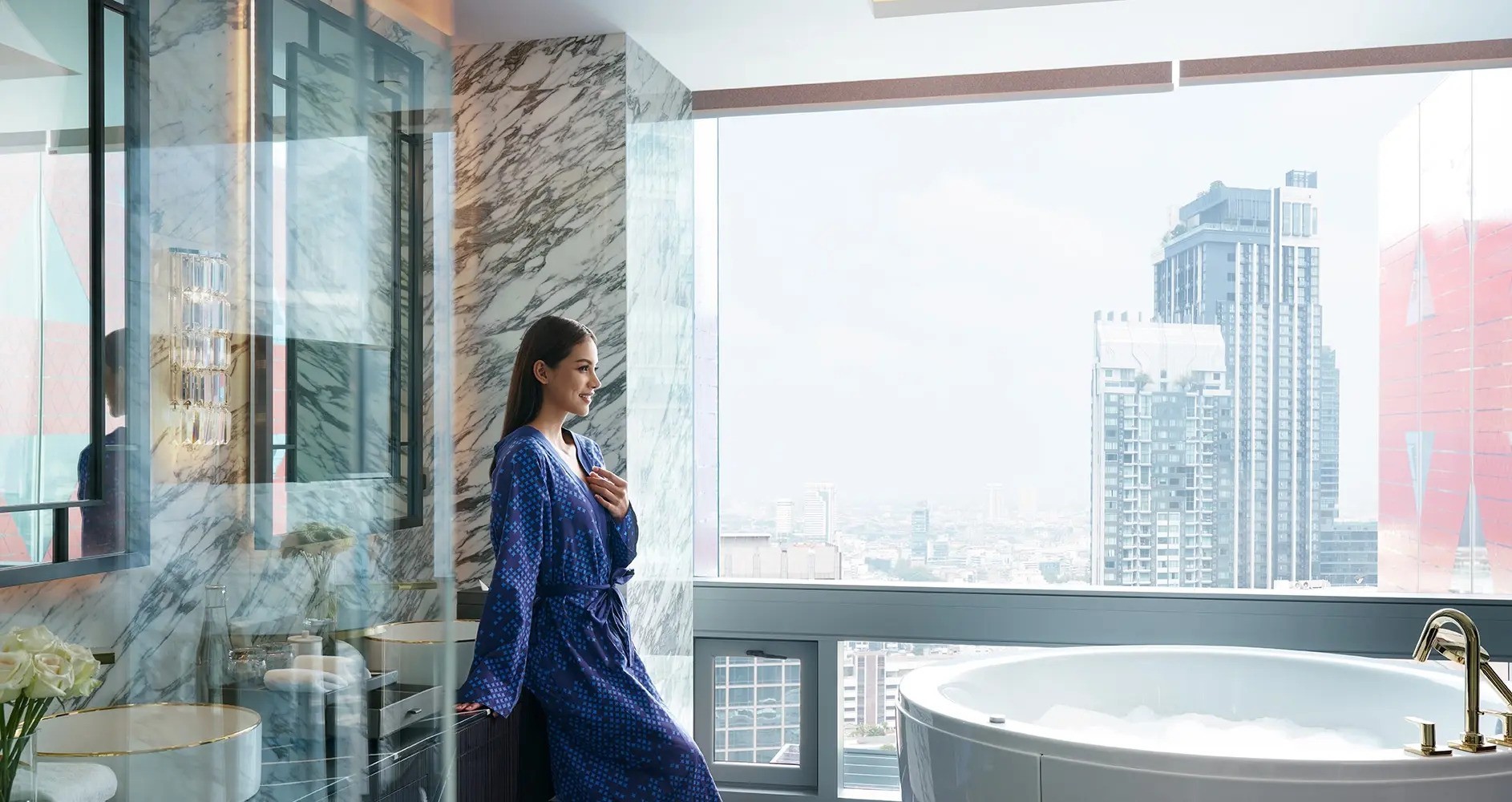 Chatrium Niseko Japan official site
278 reviews at 9.1 out of 10 and one of the few larger Hirafu hotels that takes summer bookings. If you want Hirafu specifically and you are travelling outside the snow season, the list of options is this short.
5. “Ski-in ski-out” is the property’s own claim
On the booking platforms that flag is supplied by the property and verified by nobody. In Niseko it appears on a backpackers’ lodge in Kutchan town, several kilometres from any lift.
Look for a distance in metres and a named lift. A property that will not name the lift is usually further from it than you would like. And a shuttle is not walking access — it is a timetable, and its last run is earlier than the bar’s.
The reason this matters more in Niseko than elsewhere is the shape of Hirafu. It is built on a hill, and a Hirafu address can be one minute above a lift or fifteen minutes below it. Downhill in the morning is easy; the same distance uphill at four in the afternoon, carrying two sets of skis and a child, is the part nobody photographs. Where the claim is checkable, the honest properties state it plainly — a named lift, a figure in metres, sometimes both.
Niseko Village is the one area where the claim is more often literally true, because the lifts and the hotels were planned together. Everywhere else it has to be verified property by property, which is tedious and is also the single highest-value hour of research you can do before booking.
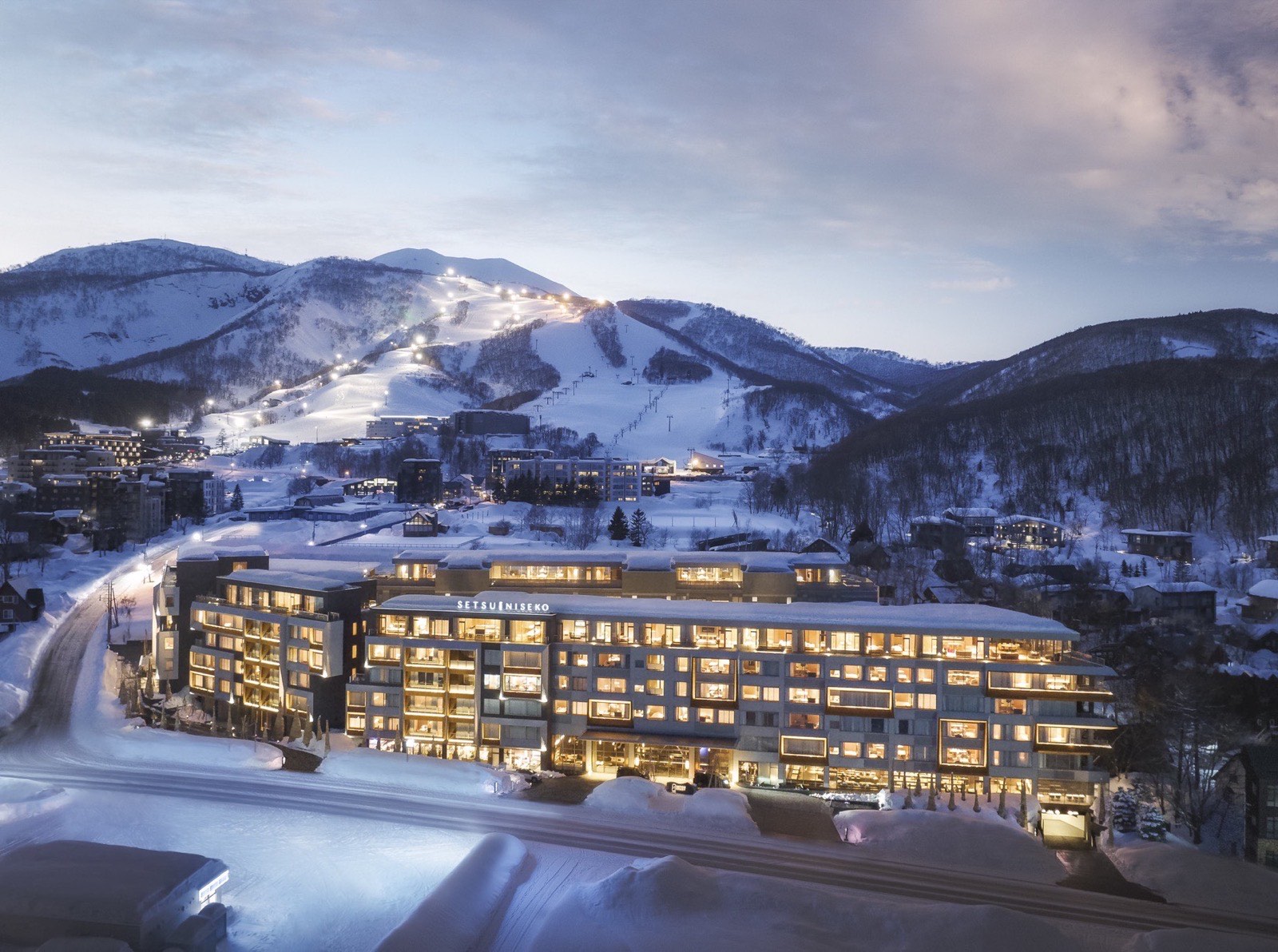 Setsu Niseko official site
444 reviews at 9.4 out of 10 and the top of the Hirafu market by five-night peak total. Worth naming here because even at this level the access is a shuttle rather than a doorstep lift — the price does not buy you out of the question.
 Ki Niseko official site
346 reviews at 9.2 out of 10, and one of the Hirafu properties that states a distance to the lift in metres rather than a phrase. That is the thing to look for, and it is rarer on a booking page than it should be.
6. A 9.8 usually means five people liked it
Sixty-one places here score 9.5 or better, and their median review count is three. Meanwhile the valley’s most-reviewed hotels sit at 8.1 to 8.6 — not because they are worse, but because a big number attracts the people a place does not suit.
Read the count before the score. Under thirty reviews it is an anecdote; past a hundred it is a claim.
The pattern is consistent enough to be useful as a filter. Properties carrying more than three hundred reviews have a median score of 8.5; those under thirty have a median of 9.1. Nothing about the second group is better. They are simply graded by fewer people, and the people who bother to book a six-review chalet tend to be people who already knew what they were getting.
What is genuinely hard is a high score across a large sample, and only a handful of places in the valley manage it. Those are worth noticing, and so is the reverse case: a large sample with a low score is telling you something real, because at that volume the number has stopped being noise.
 Miru Niseko official site
510 reviews at 9.4 out of 10 — one of the very few places in Niseko holding a score that high across a sample that large. That combination is much harder to achieve than a 9.8 across five stays.
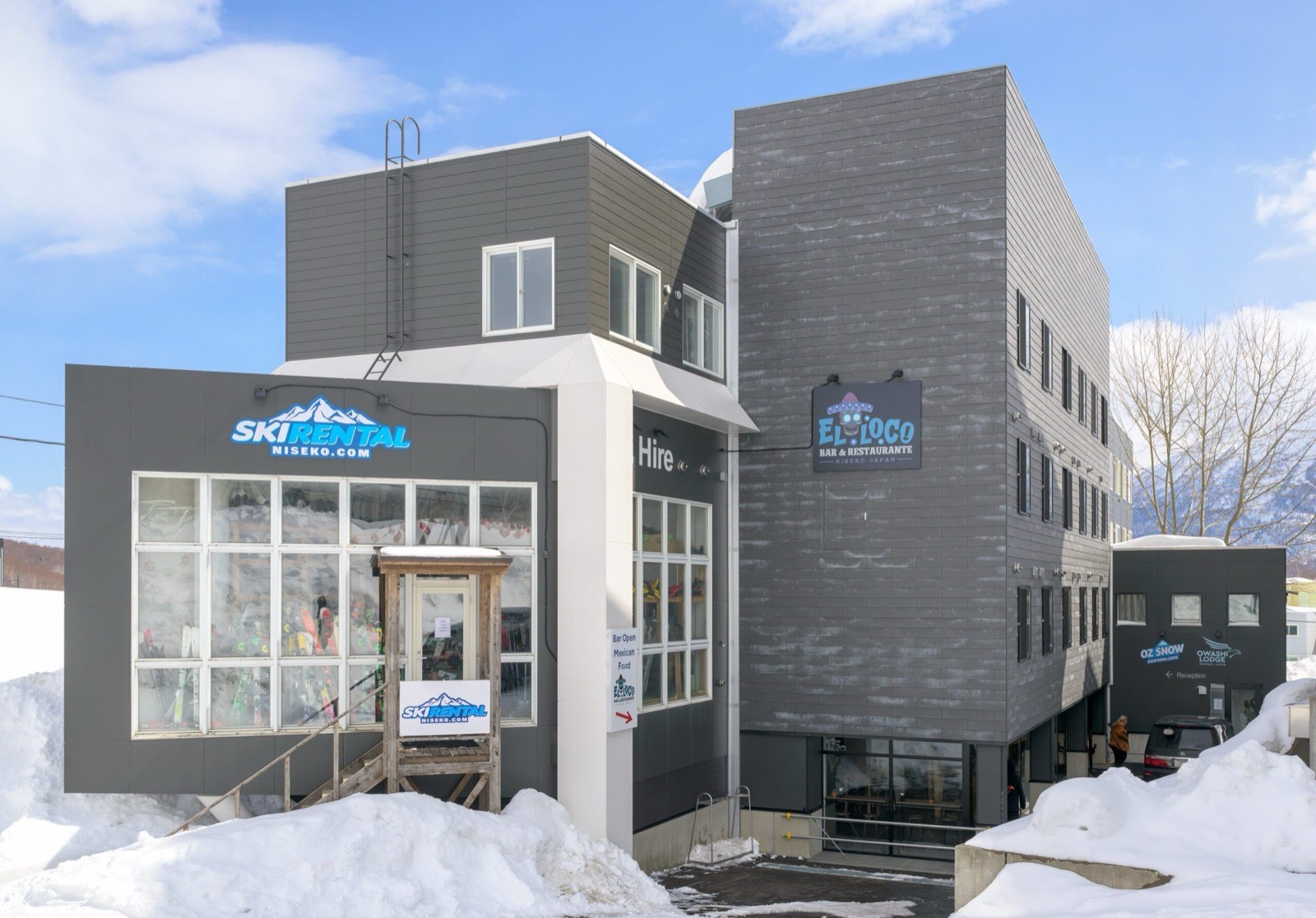 Owashi Lodge official site
329 reviews at 7.7 out of 10, at a five-night peak total of ¥174,500. Included deliberately: at that volume the score is not an accident, and knowing which end of the market you are booking into is the point of reading counts at all.
The mechanics — why the busiest places score worst, what the sub-scores are actually for, and what the split between the Japanese and international platforms tells you — are in how to read a Niseko review score.
The name covers two towns
Niseko is a brand before it is a place, and the administrative map does not match the marketing one. Of the eighty-three properties with a page here, fifty-five sit in the town of Kutchan and twenty-eight sit in the town of Niseko. The split is clean: Hirafu, Hanazono and Kutchan town are all Kutchan municipality; Annupuri, Konbu and Niseko Village are Niseko municipality.
Which means the busiest, most photographed part of what everyone calls Niseko is not in Niseko, and the quiet side — the onsen inns, the pensions, the resort with the lifts built into it — is. The mountain itself is called Niseko Annupuri and stands on the boundary.
Three things follow that are worth knowing before you book rather than after.
Your booking confirmation will carry a town name you did not expect, and it is not an error. The railway station is Kutchan Station, which is why the rail route into the valley lands in the town rather than at any ski area. And Japanese-language sources index the two towns separately, so a search that returns nothing under one name may return plenty under the other — which is part of why the Annupuri side is under-covered in English.
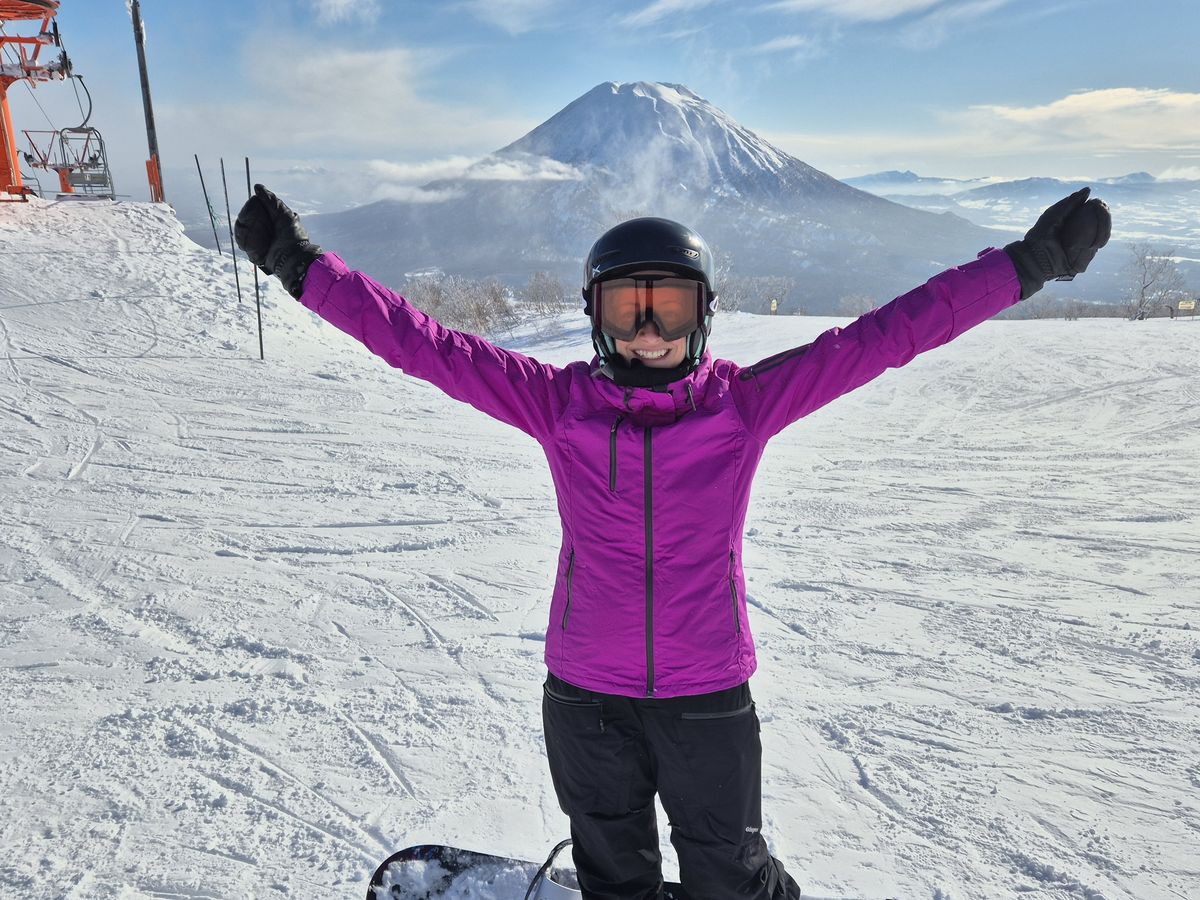 Ramat Niseko official site
A family-run ski lodge in Hirafu — Kutchan municipality — running since 2008, with breakfast, a first-tracks shuttle and a bar. 204 reviews at 9.0 out of 10 and ¥238,758 for five peak nights, well under the Hirafu median. Sub-scores of 9.0, 8.9 and 9.0 are flat, which for a small lodge is the profile you want.
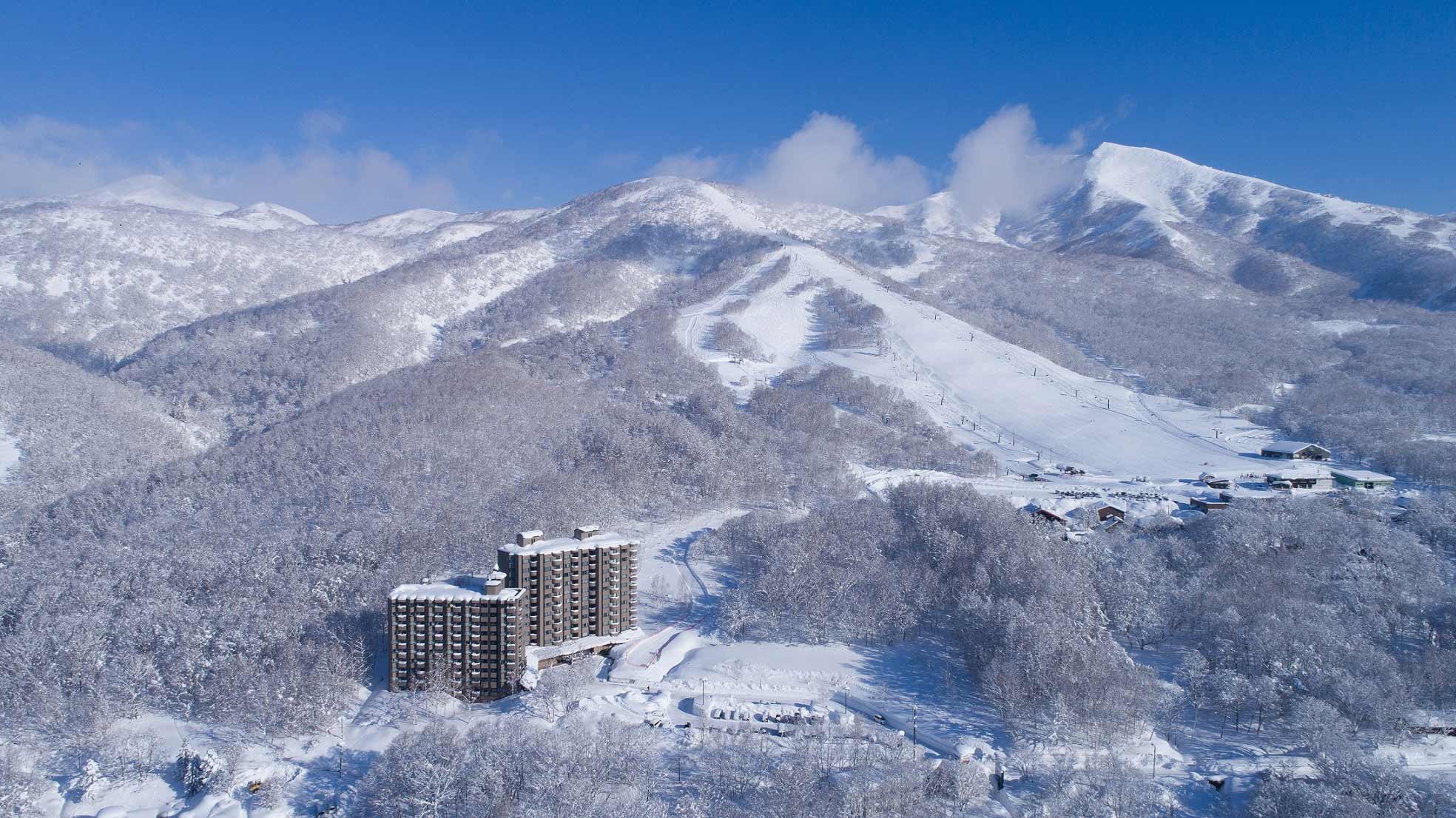 One Niseko Resort Towers official site
The largest guest sample on the Annupuri side — Niseko municipality — at 519 reviews and 8.2 out of 10, for ¥423,510 across five peak nights. 372 reviews on the Japanese platform against 519 international, which is close to balanced and rare in this valley.
What five nights actually costs
Accommodation here is quoted, and compared, in blocks of five peak nights. Get that unit wrong and every number you read will be five times off, which is a mistake worth naming because it is easy to make.
The range across the valley is enormous. A quarter of Kutchan town sits below ¥253,547 for five peak nights. A quarter of Hanazono starts above ¥932,250 — that is, Hanazono’s cheap end is above every other area’s middle. Between those two poles sit almost three hundred properties, and the distribution is much wider inside each area than it is between them.
The single largest lever is not the area. It is the format. Pensions, lodges and hostels quote a fraction of what hotels do for the same week on the same mountain, and Niseko has more of them than its reputation implies: 36 pensions and ryokan, four hostels, and 78 whole houses and chalets across the valley.
100 reviews at 9.0 out of 10, and the lowest five-night peak total on this site — ¥90,000, or ¥18,000 a night. Proof that the valley's reputation for expense is a statement about its median, not its floor.
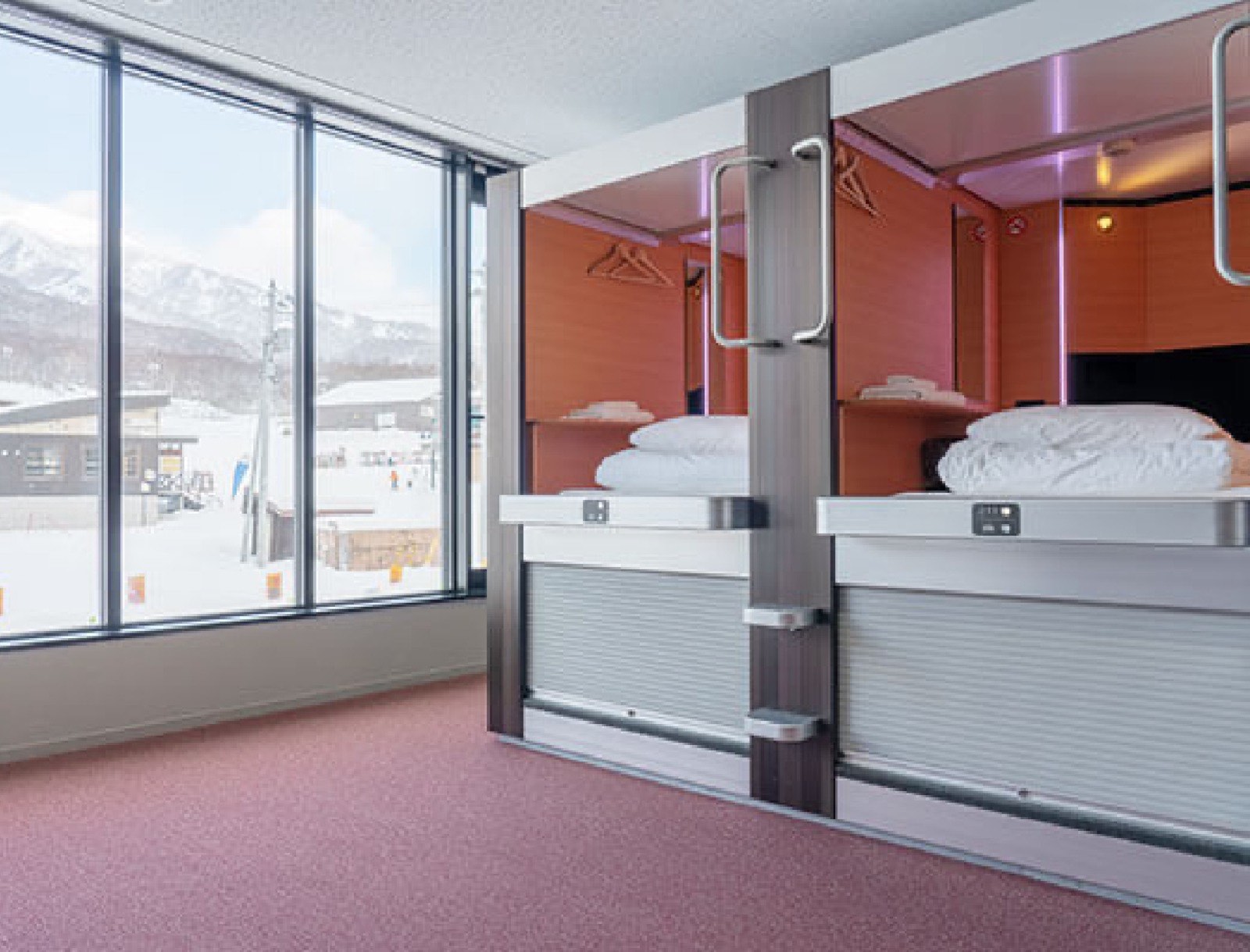 The Lodge Moiwa 834 official site
8.9 out of 10 across 168 reviews at ¥149,072 for five peak nights, roughly ¥29,800 a night. The cheapest well-reviewed option on the quiet side of the mountain.
The property that sets Hanazono's median: 191 reviews at 9.1 out of 10, and ¥2,207,900 for five peak nights. It is here for scale — the same five nights, at roughly twenty-four times the Niseko Side 6 total.
If money is the binding constraint, the answer is Kutchan town first and Annupuri second, and the reasoning is worked through in Niseko on a budget.
Often there is no price at all
The five-night figures above come from properties that publish one. Many do not.
Seventeen of the eighty-three places here quoted no peak-season total when we read the listings. For comparison, three had their peak week already sold out. So “there is no price” is roughly six times more common in Niseko than “there is no room”, and the two get confused constantly, because both render on a search page as an absence.
They are different problems with different fixes. A sold-out week means someone else booked it. A missing price usually means the property does not sell peak weeks through a public calendar at all — whole houses, small operators and the top of the market quote on enquiry, sometimes with a minimum stay attached, sometimes with a different rate depending on how many of you there are.
For a first trip the practical consequence is that a blank price is not a reason to skip a property, and it is a reason to allow a few days for an exchange of emails. Some of the best-scored places on this site are in that group.
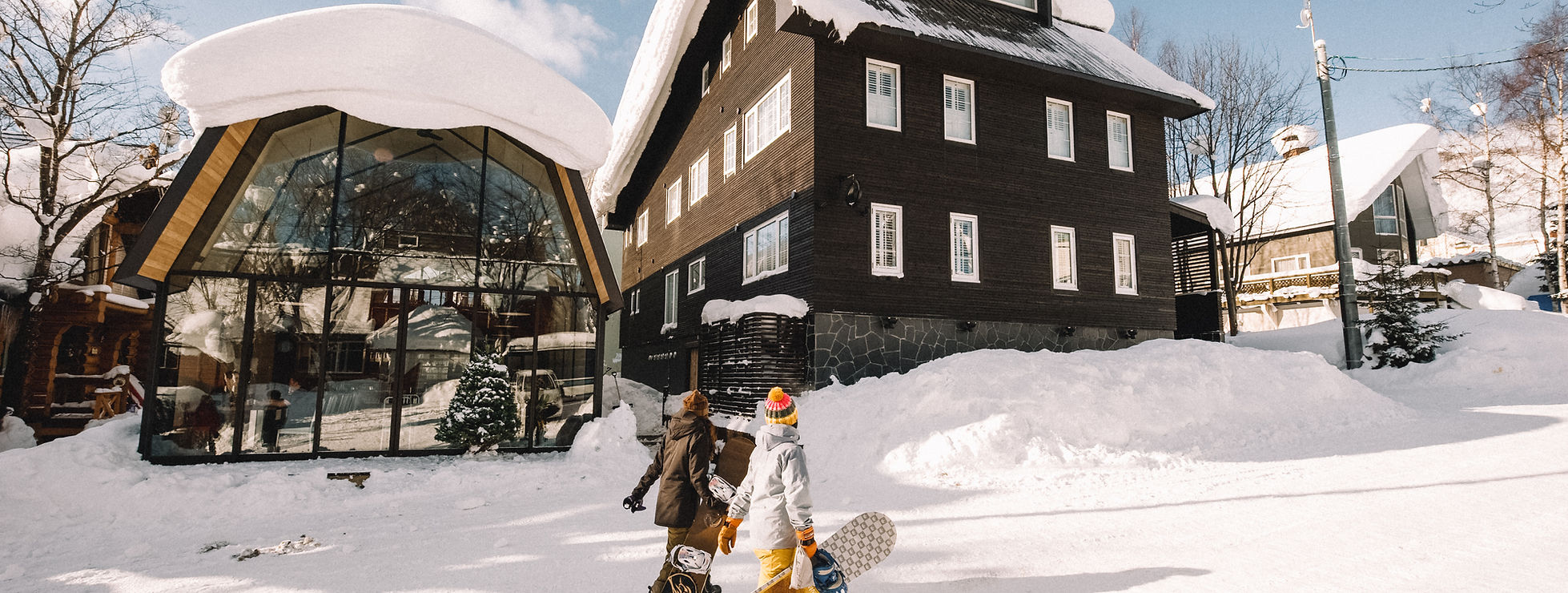 Kimamaya Boutique Hotel · kimamaya.com
The highest score on this site — 9.8 out of 10 across 54 reviews, with sub-scores of 10 for cleanliness, comfort and facilities alike — and no peak price published anywhere we could read. Twenty-five photographs on the listing, which is a small gallery for a property that reviews like this. An enquiry, not a booking.
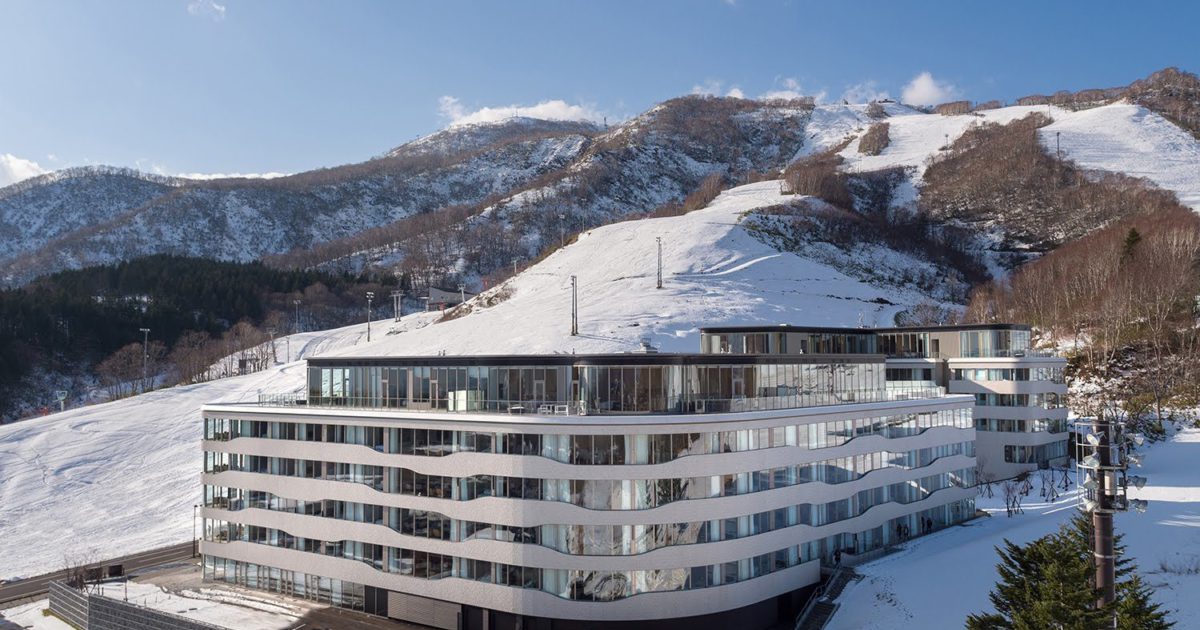 Skye Niseko official site
266 reviews at 9.4 out of 10 with 101 photographs and no published peak total. Its own site calls it ski-in ski-out designer condominiums, and there is no distance behind the phrase in any record we hold — which is the pairing this site keeps finding at the top of Hirafu.
The five kinds of place you can book
The area tables hide something more useful than the areas do: what kind of thing you are booking. Across the valley the mix runs roughly 180 hotels, 78 whole houses and chalets, 36 pensions and ryokan, 16 apartments and four hostels.
Hotels dominate Hirafu — 94 of its 148 listings — and behave the way hotels behave. Whole houses and chalets are concentrated in Annupuri and Hirafu, which between them hold five in six of the valley’s, and they are the format that makes a group trip cheap per head and a couple’s trip expensive. Pensions and ryokan are the least-known category and the best value in the valley; Annupuri has 19 of the 36. Apartments are almost entirely a winter product and close in summer. Hostels are four properties, two of them in Kutchan.
The practical version: if you are two people, a hotel or a pension. If you are six, price a whole house before anything else, because the arithmetic changes completely — see Niseko for groups and chalets and apartments.
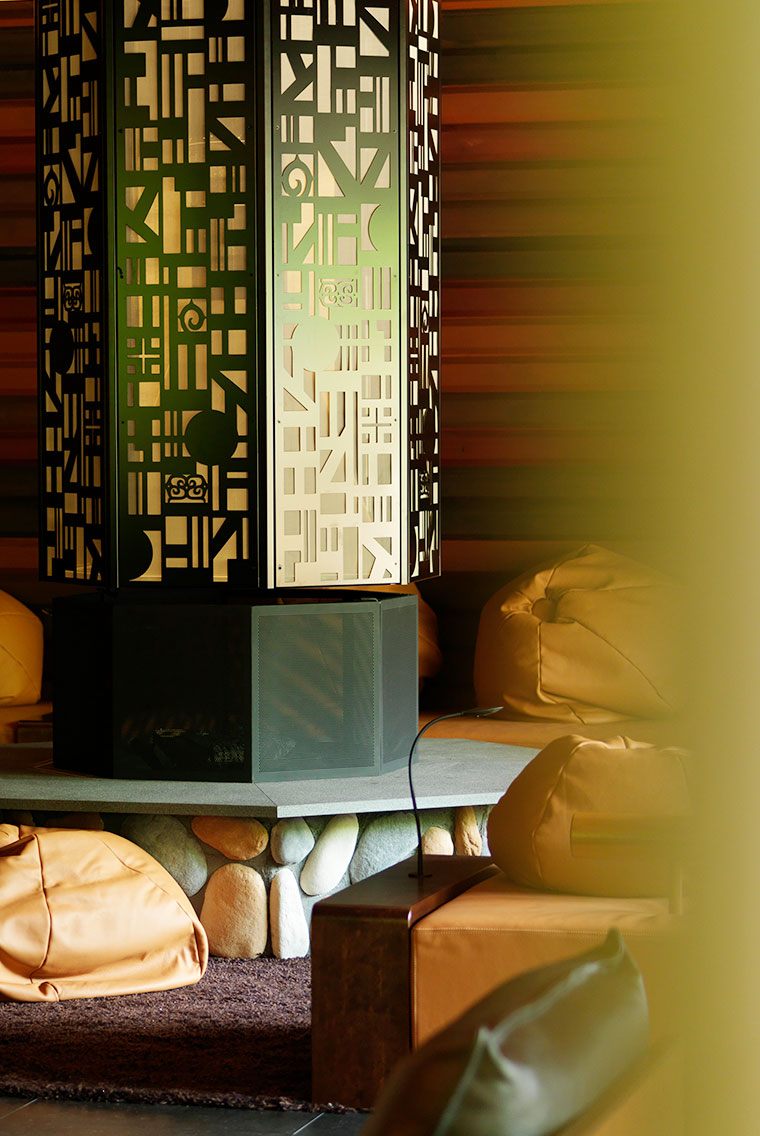 Niseko Konbu Onsen Tsuruga Bessou Moku no Sho official site
9.5 out of 10 across 138 reviews — the highest-rated stay on the Annupuri side with a meaningful sample, and a ryokan rather than a ski hotel. The category most first-time visitors never look at.
115 reviews at 8.8 out of 10 for ¥225,000 across five peak nights, or ¥45,000 a night. A family-run pension in Hirafu, which is the combination people assume does not exist there.
The desk decides your first day and your last
Everyone plans the middle of a ski trip and nobody plans the ends, which is where the hours actually go.
Among the properties here whose Japanese-language facility data we could read, check-in is at three in the afternoon almost everywhere — thirty-seven of forty-five. Three check in at four. Check-out is at ten for twenty-nine of them, eleven for twelve, and noon for exactly four.
Those four are the Park Hyatt, the Ritz-Carlton Reserve, Hinode Hills and Sansui: the top of the market, and the noon check-out is one of the things the money is buying. The three that open at four in the afternoon each list a single unit on the Japanese platform, which is what a whole-property rental looks like in this data: there is nobody standing at a desk waiting for you.
The arithmetic matters more here than at a city hotel. A ten o’clock check-out on your last morning means no last run, or it means skiing with your bags in a locker somewhere. A three o’clock check-in against an evening arrival from New Chitose means you reach the property after the desk has gone quiet, which is worth an email in advance rather than a discovery on the night. Ask both times before you book the flights, not after.
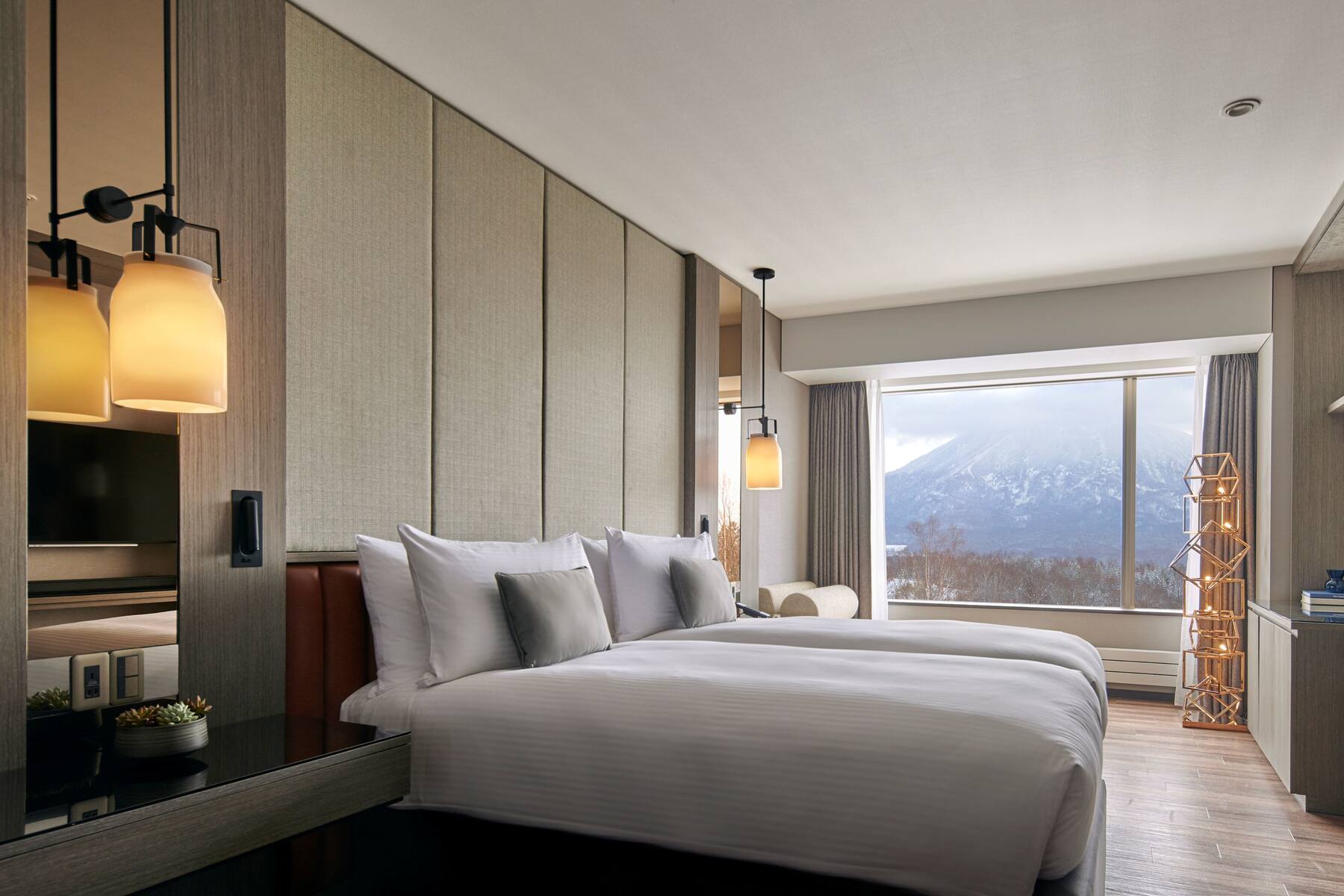 Hinode Hills Niseko Village official site
One of the four properties here with a noon check-out, which on a five-night trip is two more hours on the mountain than most of the valley gives you. 202 reviews at 9.0 out of 10 and ¥866,100 for five peak nights, in Niseko Village, and open in summer.
The order to book in
Everything above collapses into a sequence, and the sequence matters because each step eliminates options the next step would otherwise waste your time on.
First, the season. If you are travelling outside roughly December to March, start from the list of places that open in summer, because it is one in six of the valley and it is concentrated in two areas. Everything else follows from that list rather than the other way round.
Second, the flight arrival time. Check it against the last scheduled bus of the day before you buy the ticket. This is the only decision on the list that becomes expensive rather than merely annoying if you get it wrong.
Third, the format. Hotel, whole house, or pension. Group size decides this more than budget does, and it moves the total cost further than the area does.
Fourth, the area. Budget, the walk to a lift, and whether you want to walk out at night. Three questions, and they usually agree with each other.
Fifth, the property. Review count before review score. A named lift and a distance in metres, not a phrase. And whether the kitchen is a kitchen or a sink and a microwave, which is in the facility list rather than the photographs.
Four things that do not matter as much as you think
Star ratings. Niseko’s accommodation is dominated by houses, apartments and pensions, and the star system does not describe those. A three-star pension and a three-star hotel are not comparable products, and in this valley the star count correlates with the building rather than with the week.
Photographs. Every property here photographs well in January, because January in Niseko photographs well regardless of what it is pointed at. What the pictures cannot show is the gradient of the walk, the shuttle timetable, or whether the kitchen has an oven.
Which ski area you sleep next to. Covered above, and worth repeating because it is the thing most first-time visitors spend the most time on. One pass, four areas, a shuttle network. Where you sleep decides your first and last twenty minutes of the day, not your skiing.
Booking months in advance across the whole market. At the cheap end, yes — there are only a few dozen places in the valley under a quarter of a million yen for five peak nights, and that shelf empties early. In the middle and at the top the pressure is lower than the reputation implies, and a February booking made in October is not the disaster the forums suggest.
What does matter, and is easy to check: whether the bath is an actual onsen rather than a heated shared bath, whether the kitchen is a kitchen, whether the property states a distance to a named lift, and whether it is open at all in the month you are going.
Who should weight which of the six
Not every first-timer needs to weight all six things equally. A short version, by who you are:
| You are | Weight this one hardest | Because |
|---|---|---|
| A family with young children | #5, the access claim | The walk with equipment is the part that actually breaks a day; verify the metres, not the phrase |
| Travelling on a fixed, tight budget | #4 and the cost section | The cheap shelf — under a quarter of a million yen for five nights — is the one that actually empties early |
| A couple wanting the classic experience | #2, the village question | Hirafu is the only area that gives you a walkable evening without planning it in advance |
| A group of five or more | The format section | The area matters less than hotel-vs-whole-house; that lever moves the total further than any of the six |
| Arriving on an evening flight | #3, the airport bus | This is the one mistake on this list that costs money rather than just convenience |
| Planning a summer or shoulder-season trip | #4, and the season | Most of the valley is shut; start from the open list, not the area you like the look of |
What that adds up to
Pick the area for the evenings and the budget, not for the runs. Check the season before the flights. Treat the access label as marketing and the review score as a sample size. None of that is complicated — it is just none of it is on the booking page.
The most-reviewed places in the valley, read 9 September 2026. A proxy for demand, not for quality — see the scores article for why those are different.
Hilton Niseko VillageNiseko VillageOnsen¥101,163 (~$640)/night · 5-night peak avgTORIFITO Hotel & Pod NisekoKutchanWinter only¥58,608 (~$371)/night · 5-night peak avg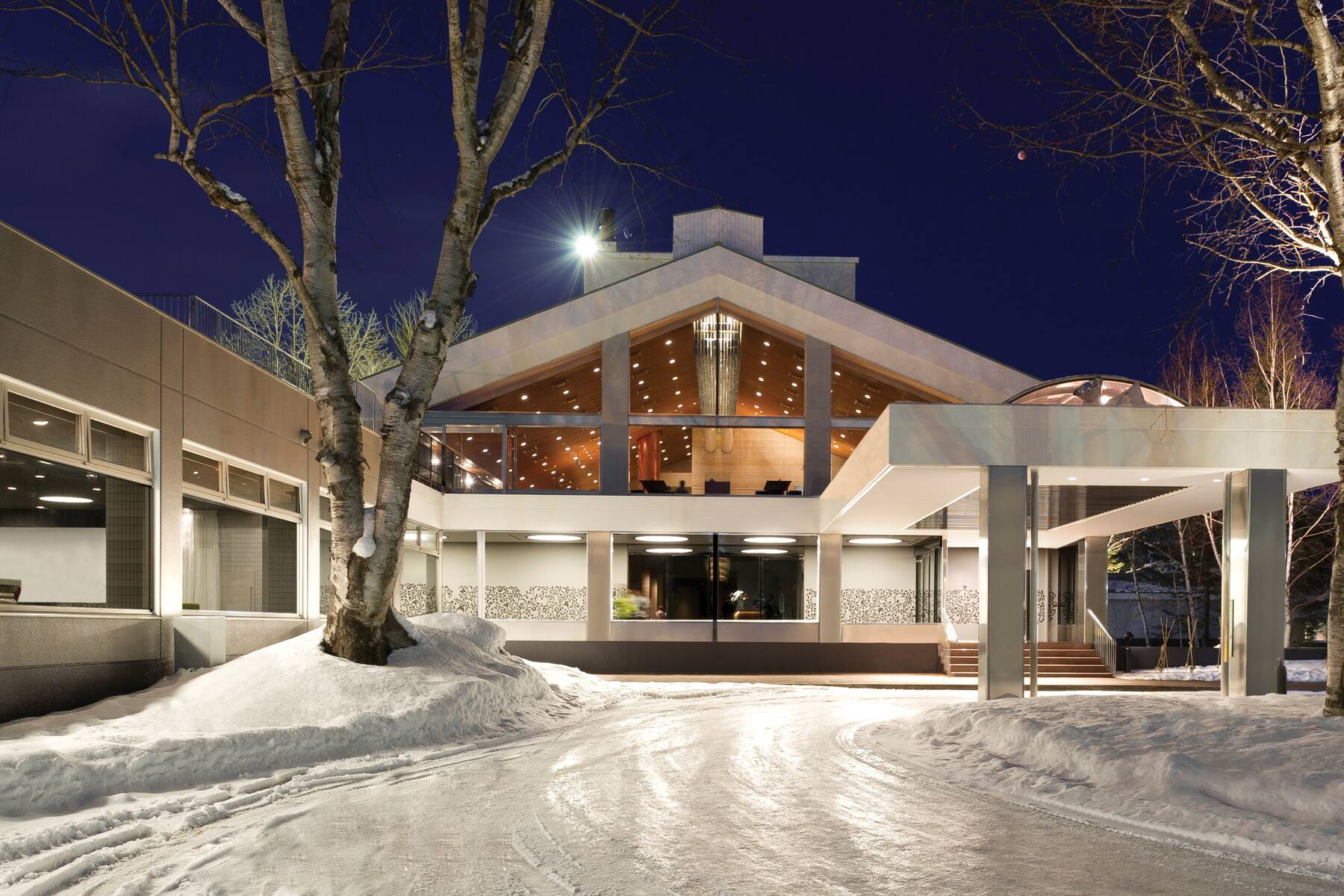 The Green Leaf Niseko Village, Tapestry Collection by HiltonNiseko VillageOnsenWinter only¥94,454 (~$598)/night · 5-night peak avgChalet Ivy Hirafu, NisekoHirafuOnsenWinter only¥117,200 (~$742)/night · 5-night peak avgOne Niseko Resort TowersAnnupuriWinter only¥84,702 (~$536)/night · 5-night peak avgMy EcolodgeHirafuWinter only¥34,000 (~$215)/night · 5-night peak avgMiru NisekoHirafuWinter only¥72,248 (~$457)/night · 5-night peak avg
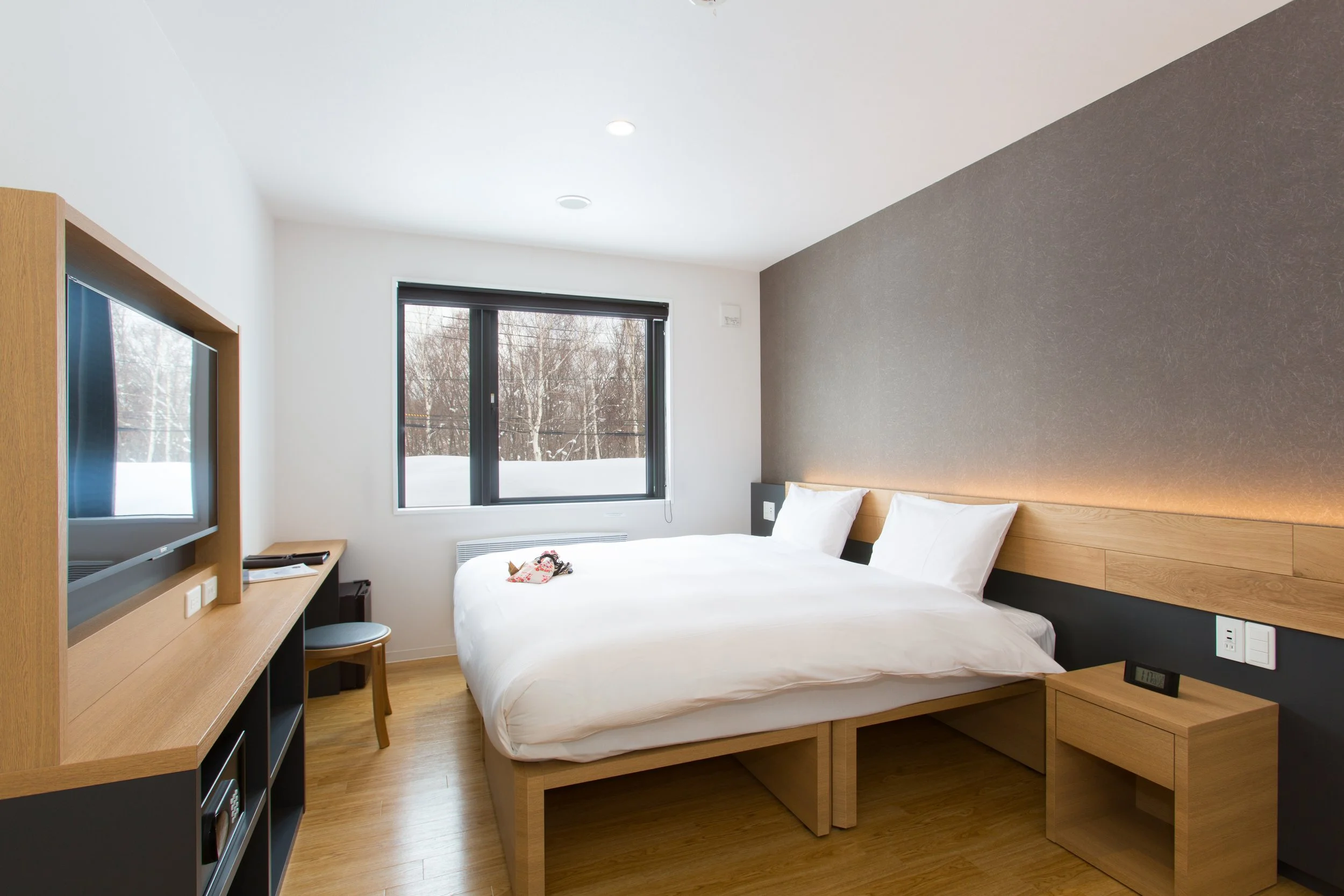 Always NisekoHirafuWinter only¥54,116 (~$343)/night · 5-night peak avgSetsu NisekoHirafuOnsenWinter only¥356,620 (~$2,257)/night · 5-night peak avg
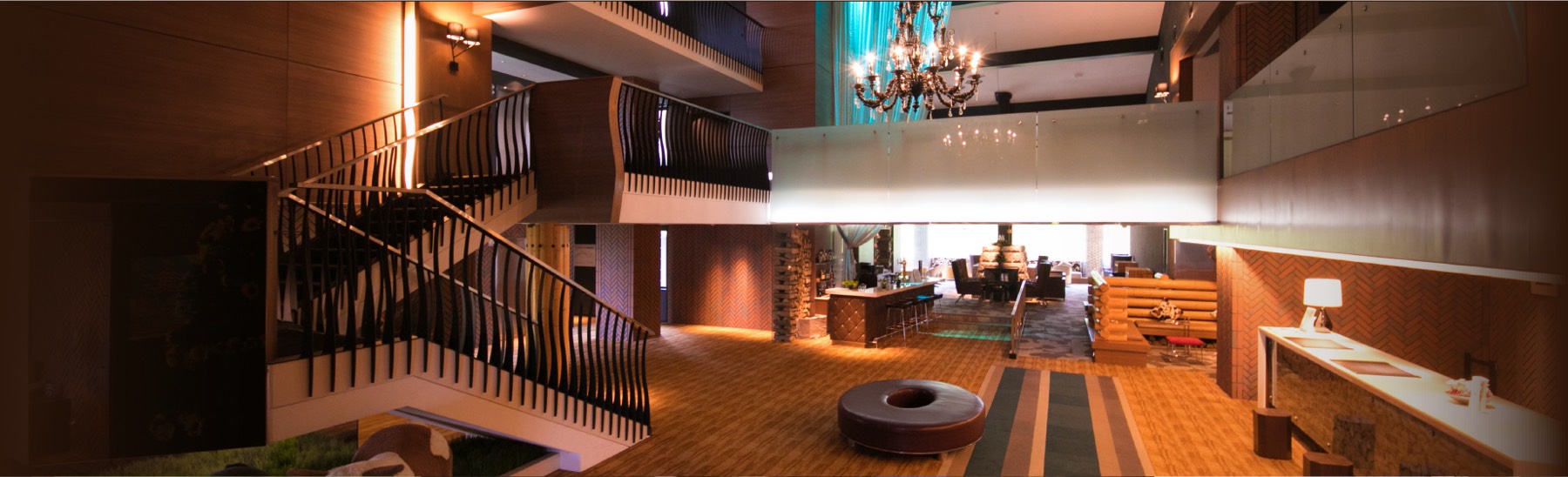 Niseko Northern Resort An'nupuriAnnupuriWinter only
Questions
- What should I know before booking Niseko for the first time?
- Six things: one pass covers all four ski areas so your base does not limit your skiing; only Hirafu has a walkable restaurant district; the ski bus is winter-only and its last departure is in the afternoon; most of the valley closes in summer; ski-in ski-out on a booking page is the property's own claim; and a high review score usually means very few reviews.
- How many days do you need in Niseko?
- Most itineraries here are built around five nights, which is also the block that accommodation is quoted in. Fewer than four and the travel time from New Chitose starts to dominate the trip.
- Is Niseko good for beginners?
- The four areas share a pass and include gentle terrain, and English-speaking instruction is far easier to arrange here than at most Japanese resorts — which is a large part of why the valley became an international destination. Where you stay matters more for beginners than for anyone else, because the walk to the lift with equipment is the hard part of the day.
- Do I need to book Niseko far in advance?
- For the cheap end, yes — there are only a few dozen places in the whole valley under a quarter of a million yen for five peak nights, and that shelf empties. For the middle and top of the market the pressure is lower than the reputation suggests.
- Is Niseko expensive?
- At the median, yes. But the range is enormous: a quarter of Kutchan town sits under ¥260,000 for five peak nights while a quarter of Hanazono starts above ¥930,000. And pensions and small ryokan quote around a quarter of what hotels do.
- What is the difference between Niseko and Hakuba?
- This site covers Niseko only, so treat any comparison here as out of scope. What is specific to Niseko is the structure: four ski areas on one mountain under a single pass, with a village at the base of only one of them.
- Do people speak English in Niseko?
- More than anywhere comparable in Japan — the valley has been an international destination for two decades. The exception is worth knowing: the traditional onsen inns are a largely domestic market, and English-first service is less certain there.
- What is Mount Yōtei?
- The cone across the valley, and the view most Niseko rooms are priced on. It is not a ski area — you look at it from the slopes rather than skiing it.
- When is the best time to visit Niseko?
- For snow, January and February. For price and quiet, the shoulder of December and late March. For summer, July and August — but check what is open first, because most of the valley is not.
- Should I stay in Hirafu?
- If the evenings matter to you, yes — it is the only part of Niseko you can walk out into. If they do not, the other areas offer the same mountain for less money and more quiet.