Ski-in ski-out in Niseko: the label is not checked by anyone
A backpackers' lodge in Kutchan town carries the same ski-in ski-out flag as a hotel twenty-five metres from a lift. Here is what the phrase actually covers, and how to read past it.
Jun Uchiyama · Last updated September 2026
Search Niseko accommodation and you will find “ski-in ski-out” attached to a great many things. Among the properties in this valley carrying the flag on a major booking platform, one is a backpackers’ lodge in Kutchan town — which is not on the mountain, and is several kilometres from any lift. Its own website says, in plain English, that it is not ski-in ski-out and runs a shuttle instead.
That is not a scandal. It is how the flag works.
Nobody checks it
On the large booking platforms, facility flags are supplied by the property when it sets up its listing. The platform does not send anyone to measure the walk. There is no definition of ski-in ski-out that anyone enforces, and no penalty for claiming it.
So the label tells you what a property would like you to believe, which is not nothing — but it is not a measurement. The useful move is to stop treating it as a fact about the building and start treating it as a sentence someone wrote for a reason.
How thin the evidence actually is
Of the eighty-three Niseko properties with a page on this site, nineteen say anything at all about lift access — a flag, a walking time, a distance in metres, a shuttle, or a denial. The other sixty-four are silent, and no distance to a lift exists for them in public in any form we could find.
Of those nineteen, this is how the claims break down:
| What the property claims | Properties | What it is worth |
|---|---|---|
| Ski-in ski-out, no number | 4 | An adjective |
| A walk, with a time or a distance | 6 | Checkable, if the lift is named |
| A shuttle | 4 | A timetable, not a walk |
| A distance recorded, no category | 4 | Useful, and rare |
| Explicitly not ski-in ski-out | 1 | The most honest sentence in the set |
Four properties in the whole valley make an unqualified ski-in ski-out claim, and none of the four attaches a distance to it. That is the shape of the evidence. It is not a market where the label is fought over on the numbers; it is a market where the label is used because nothing stops it.
Who talks about lift access, and who does not
Before reading the claims, notice which properties make them. Sort the eighty-three by whether they say anything at all about lift access, and the two groups are not alike.
| Properties | Median five peak nights | Median reviews | |
|---|---|---|---|
| Says something about lift access | 19 | ¥810,000 | 262 |
| Says nothing | 64 | ¥300,000 | 100 |
The properties that discuss lift access quote roughly two and a half times what the silent ones quote, and carry more than twice as many reviews. Read that the right way round: this is not evidence that being near a lift costs money. It is evidence that talking about lifts is a habit of the expensive, heavily-marketed end of the valley. A family pension on the Annupuri side does not mention the lift because it is not selling the mountain; it is selling dinner and a room, and the shuttle is assumed.
Which means the absence of a claim tells you almost nothing about the walk, and the presence of one tells you mostly about the marketing budget. Neither is geography.
Eleven of the nineteen are in Hirafu, where forty of the eighty-three properties sit — so even within the valley’s biggest area, most places say nothing.
The three claims worth reading
Sorting the nineteen by what they actually assert produces three groups, and the group a property falls into tells you more than the area does.
1. A number and a named lift
This is the only form of the claim you can act on. A named lift can be found on a piste map; a distance can be checked against it. Everything else is a mood.
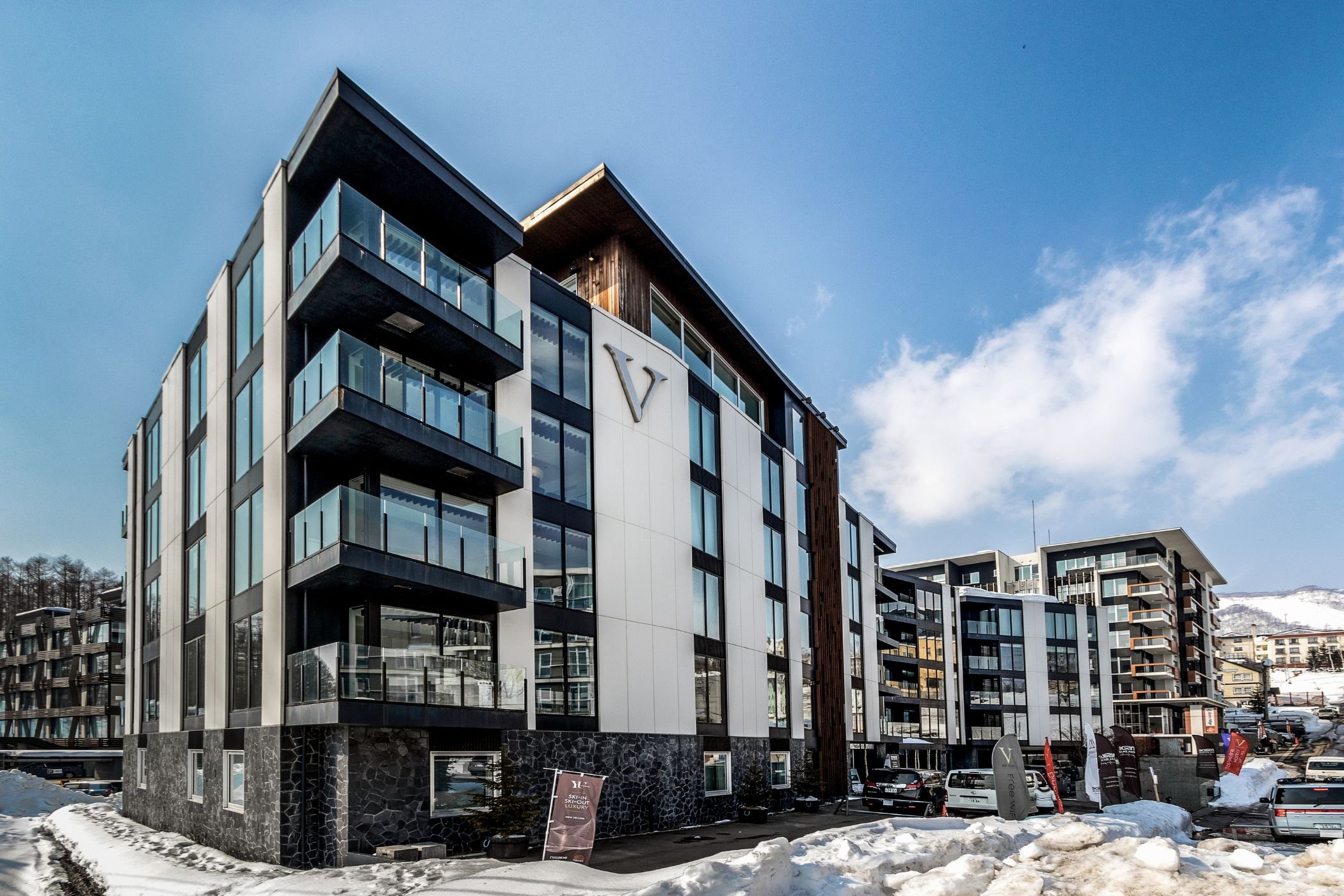 The Vale Niseko official site
The best-written access claim in the valley, and worth studying rather than booking on. Its own site says ski-in ski-out and then names the lift — the Ace Family Quad — which is what turns a phrase into something you can verify on a piste map. Most properties stop one word earlier.
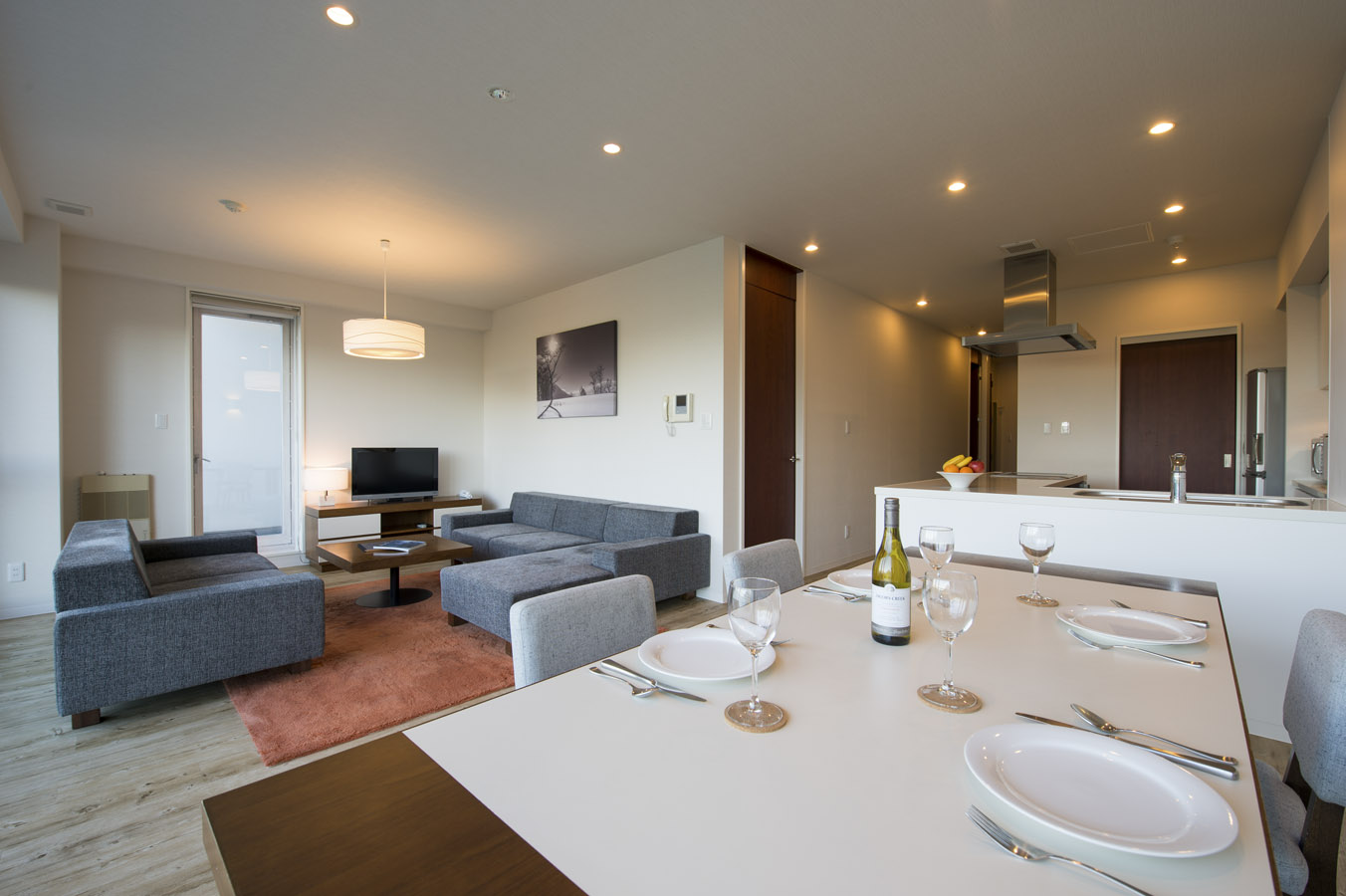 Niseko Landmark View official site
Its own site states three minutes on foot from Niseko's main gondola. That is a time and a named lift, which puts it in the top handful of listings here for checkability. Our own record from booking agents' listings says only 'walk', with no figure attached — a reminder that the property's own site is often more specific than the platforms selling it.
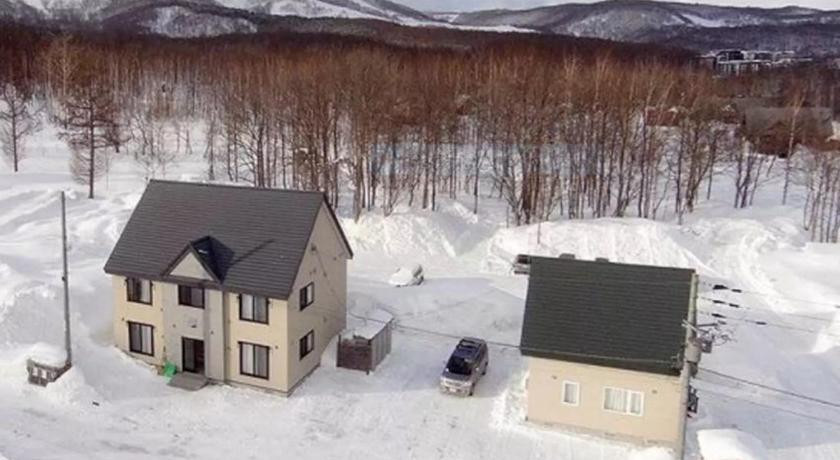 Trailside Apartments Niseko official site
Names the Hirafu family chairlift and gives ten minutes to it, and separately describes itself as being next to the ski shuttle stop. Two different access routes, stated separately, neither dressed up as ski-in ski-out. Also one of the few Hirafu addresses here that takes summer bookings.
2. An adjective, and nothing else
Four properties here carry an unqualified ski-in ski-out claim in the record, and not one of the four attaches a distance to it. A further handful use the phrase in their own marketing while our record holds nothing about their lift access at all.
That does not make any of them far from the lifts. It makes the claim unfalsifiable, which is a different and more annoying problem: you cannot tell the accurate ones from the aspirational ones without doing the work yourself, and the accurate ones are punished for it, because they sound exactly like the others.
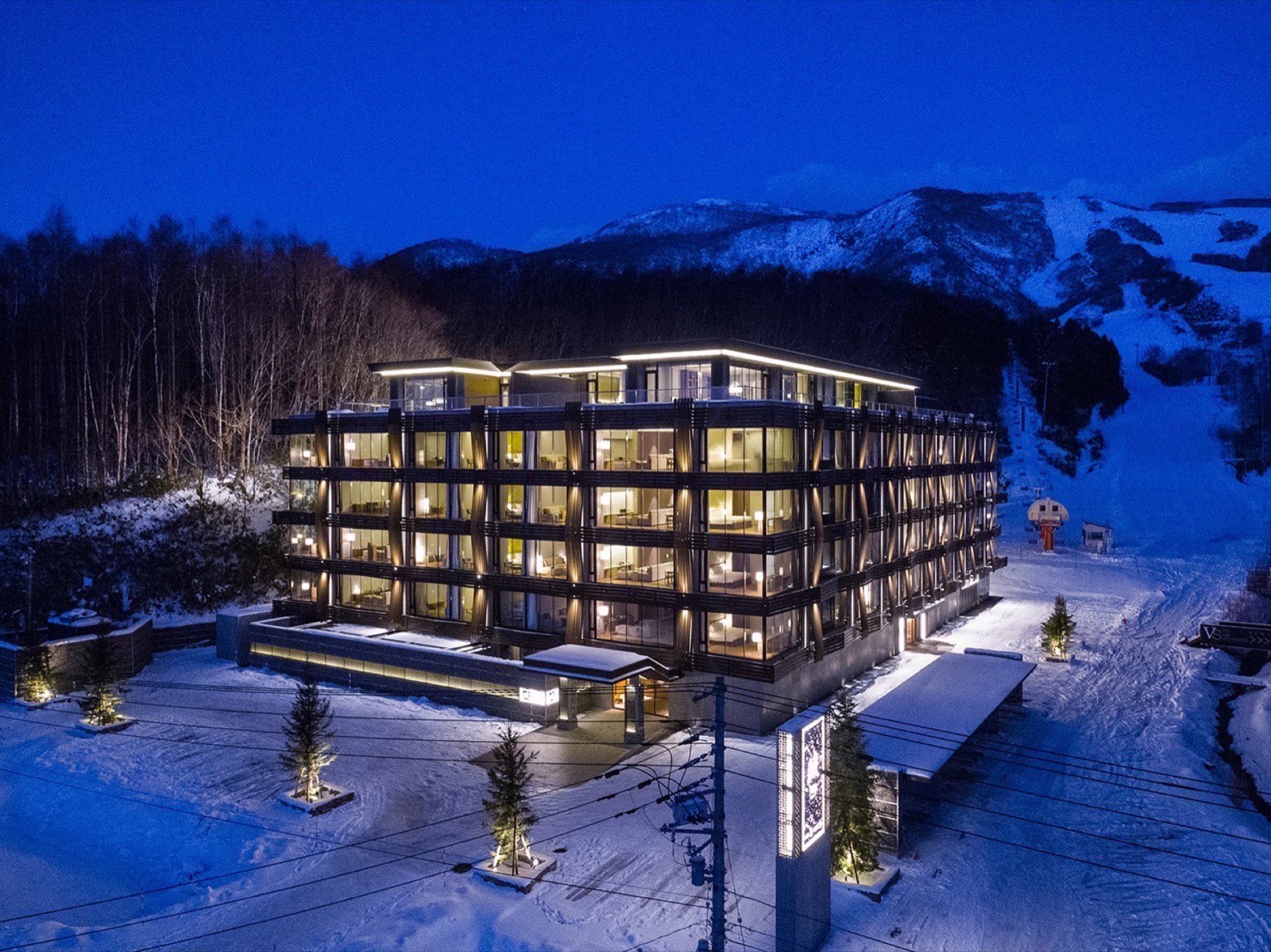 Aya Niseko official site
Describes itself as Niseko's finest ski-in ski-out accommodation, 'just moments away from the slopes'. The claim appears on its own site and on its Booking.com listing, and no distance appears with it in either place. Of the four properties here making an unqualified claim, this is the one it is least often argued with — but 'moments' is not a unit.
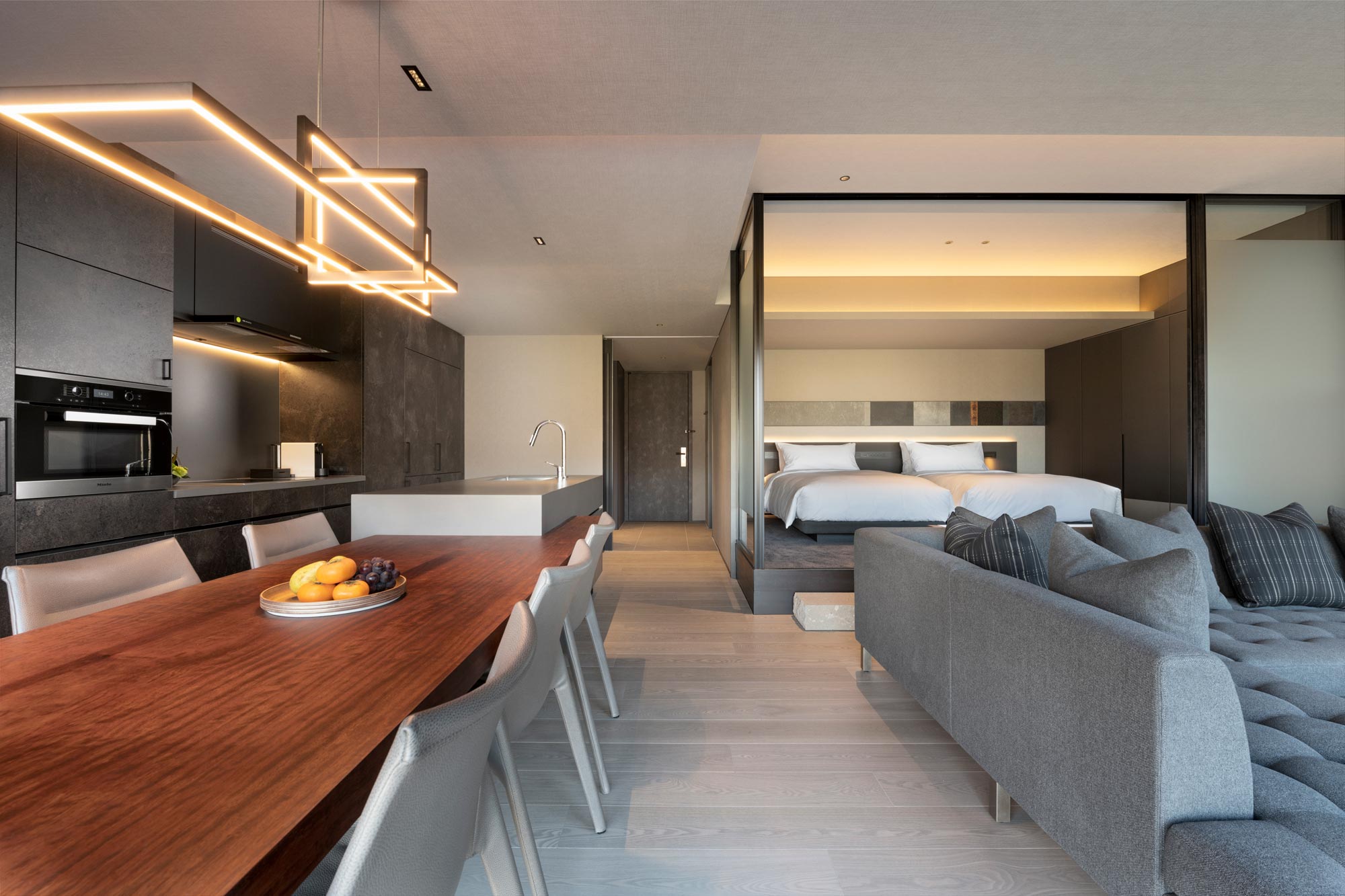 Sansui Niseko official site
Lists ski-in ski-out access alongside a MICHELIN Key, private onsen and Michelin-starred dining. When the access claim is the fifth item in a sentence like that, it is doing brand work rather than logistics work, and there is no distance behind it.
Hanazono, and the property that sets that area's median at ¥2,207,900 for five peak nights — read from its Booking.com listing at whatever room type and occupancy it was quoting as cheapest, not a fixed configuration, as with every price in this article. Its own site and the booking agents both state ski-in ski-out; neither gives a distance. At this price the claim is probably sound, which is precisely why it is worth noticing that it is still only a claim.
3. A shuttle, described in the language of walking
The most common way the phrase misleads is not distance. It is mode. A shuttle is not a short walk and it is not always available: it runs to a timetable, it can be full, and its last departure is earlier than the bar’s.
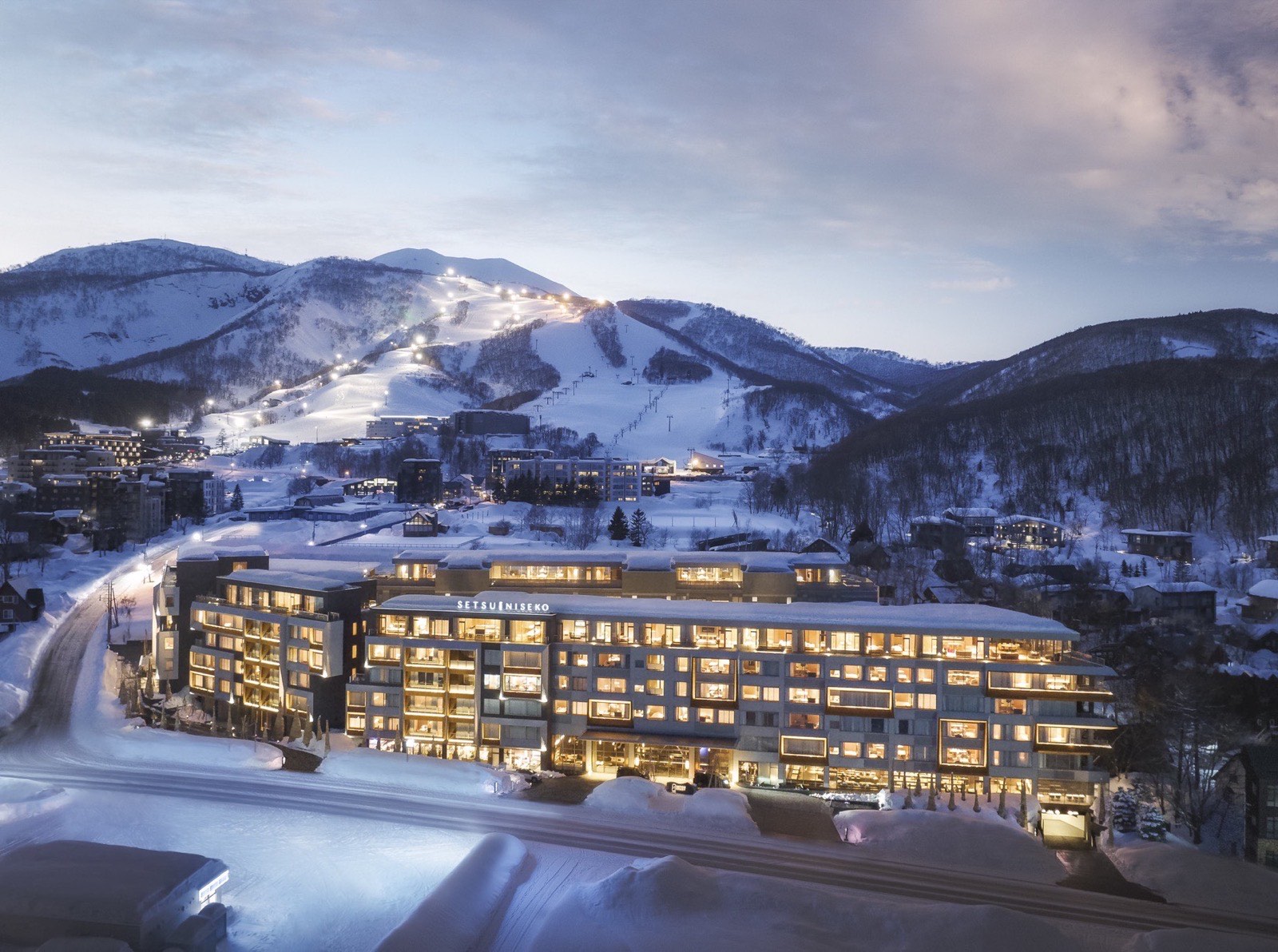 Setsu Niseko official site
The clearest case in Niseko of a property being more honest than its market. Its own site describes a shuttle, ten minutes and 750 metres — while the phrase 'ski-in ski-out' floats freely around properties in this price bracket. 444 reviews at 9.4 out of 10, and a five-night peak total of ¥1,783,100.
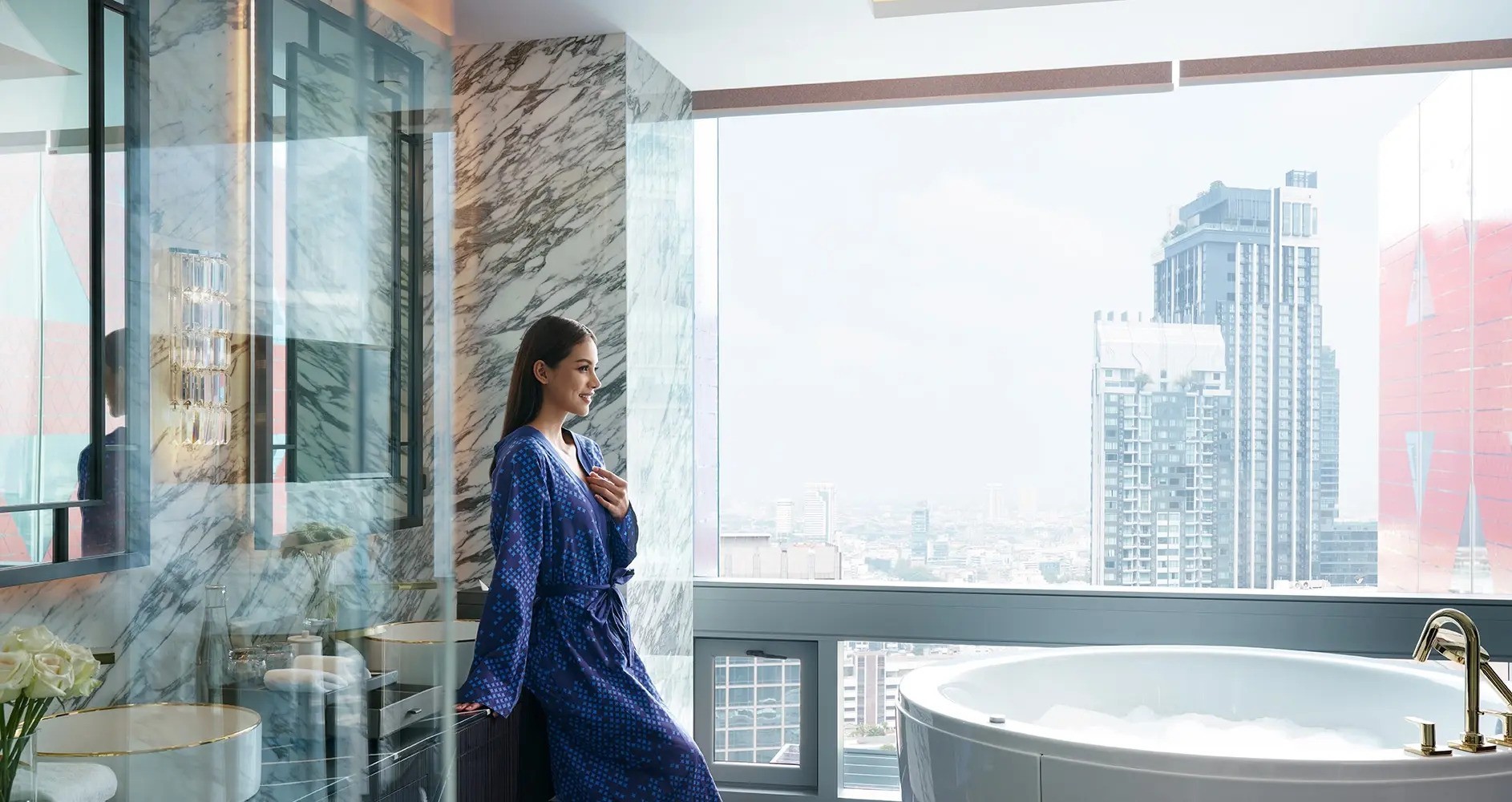 Chatrium Niseko Japan official site
Recorded from booking agents' listings as a shuttle, seven minutes, fifty metres — three figures that do not fit together, which is the signature of numbers copied between listings rather than measured. Open in summer, and the summer rate is ¥120,250 against ¥810,000 in peak: fifteen per cent.
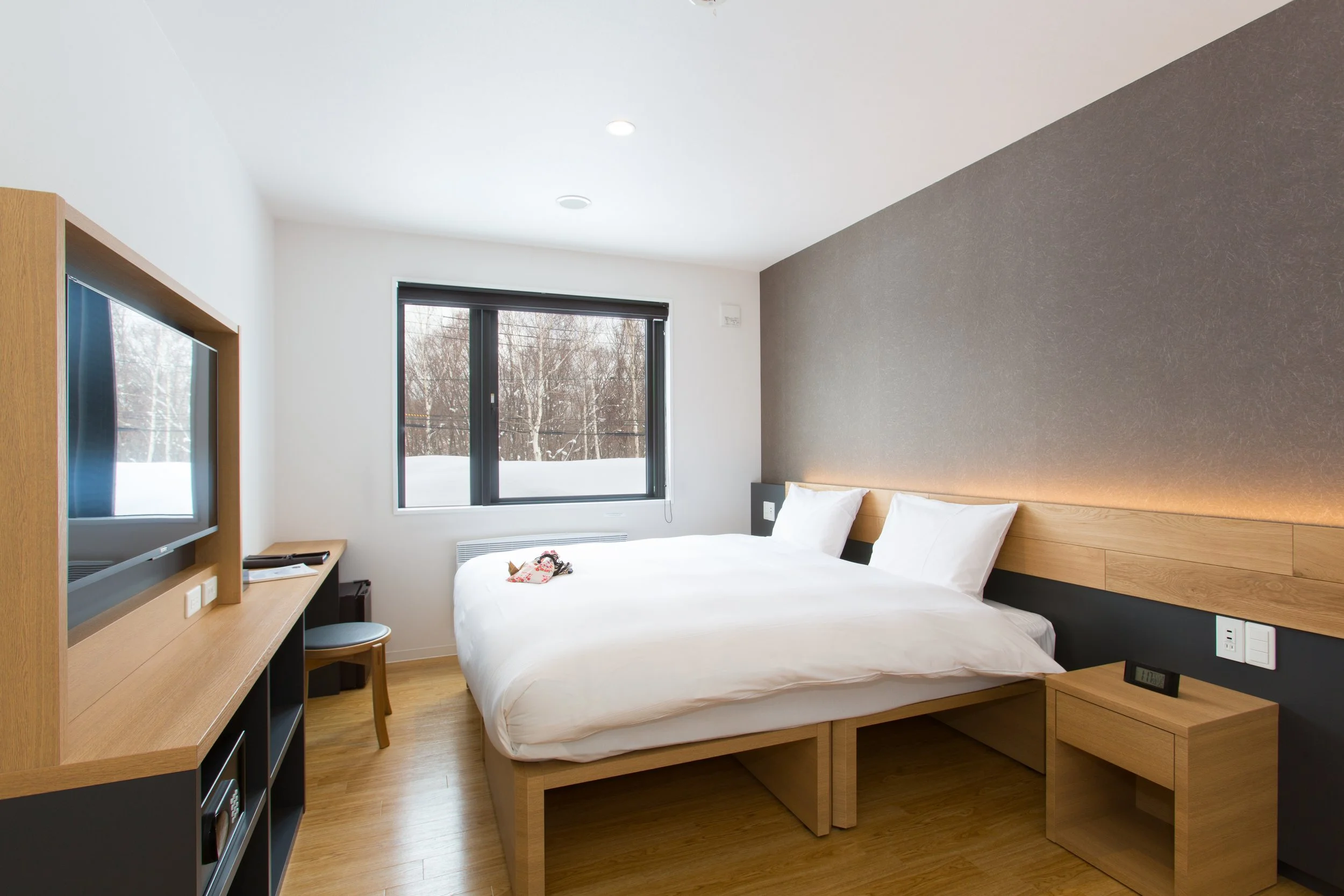 Always Niseko official site
States a complimentary shuttle bus to Hirafu Village and makes no ski-in claim at all. 454 reviews at 8.5 out of 10 and a five-night peak total of ¥270,580 — well under the Hirafu median. Not claiming the label is one of the reasons it is priced where it is.
When the numbers contradict each other
The most useful diagnostic is not whether a distance exists. It is whether the distance and the walking time can both be true.
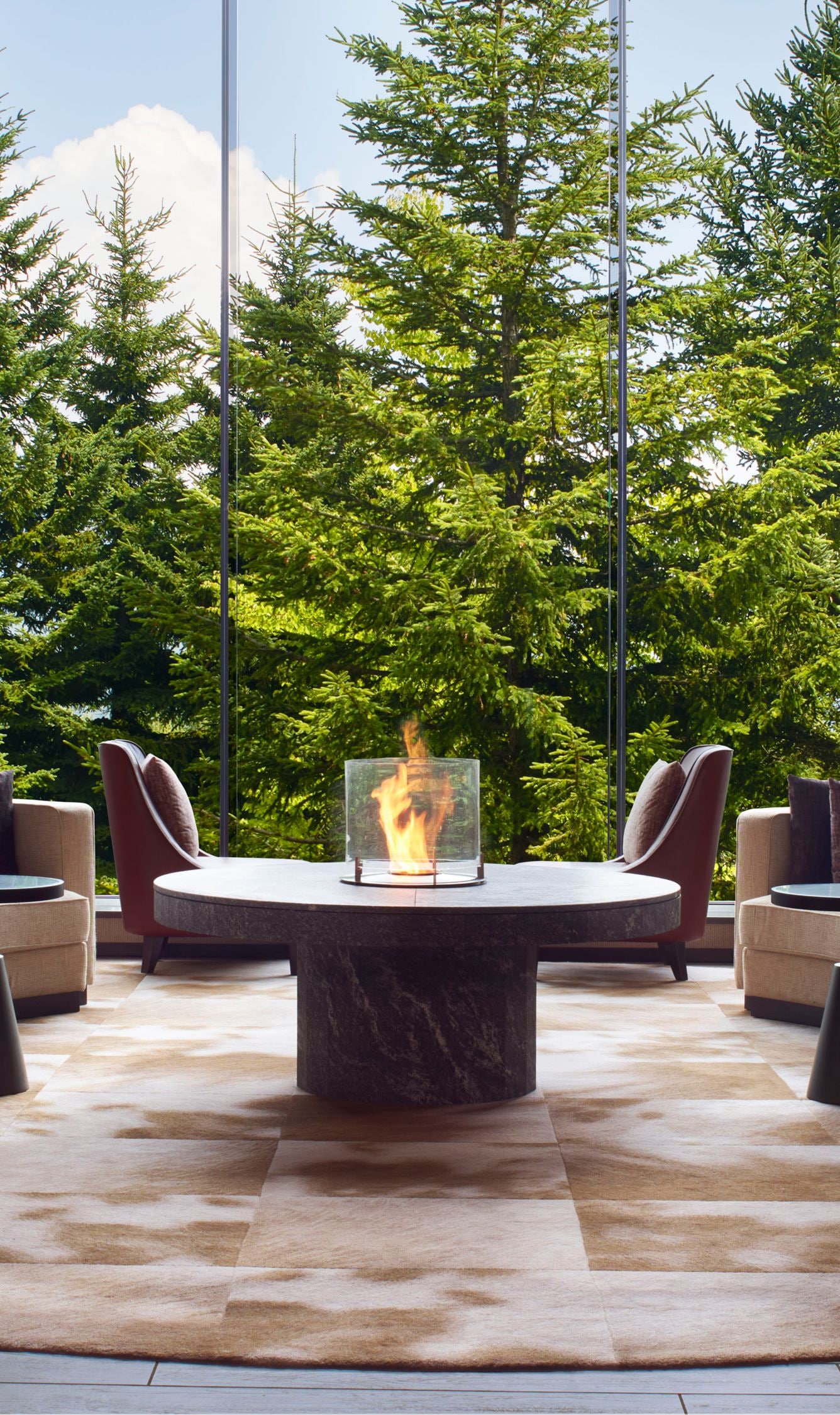 Higashiyama Niseko Village, a Ritz-Carlton Reserve official site
Recorded from trivago and booking agents' listings as four minutes' walk and twenty-five metres. Both figures cannot describe the same journey; twenty-five metres is roughly fifteen seconds. Somewhere upstream one of these numbers was copied and the other was invented, and the listings inherited both.
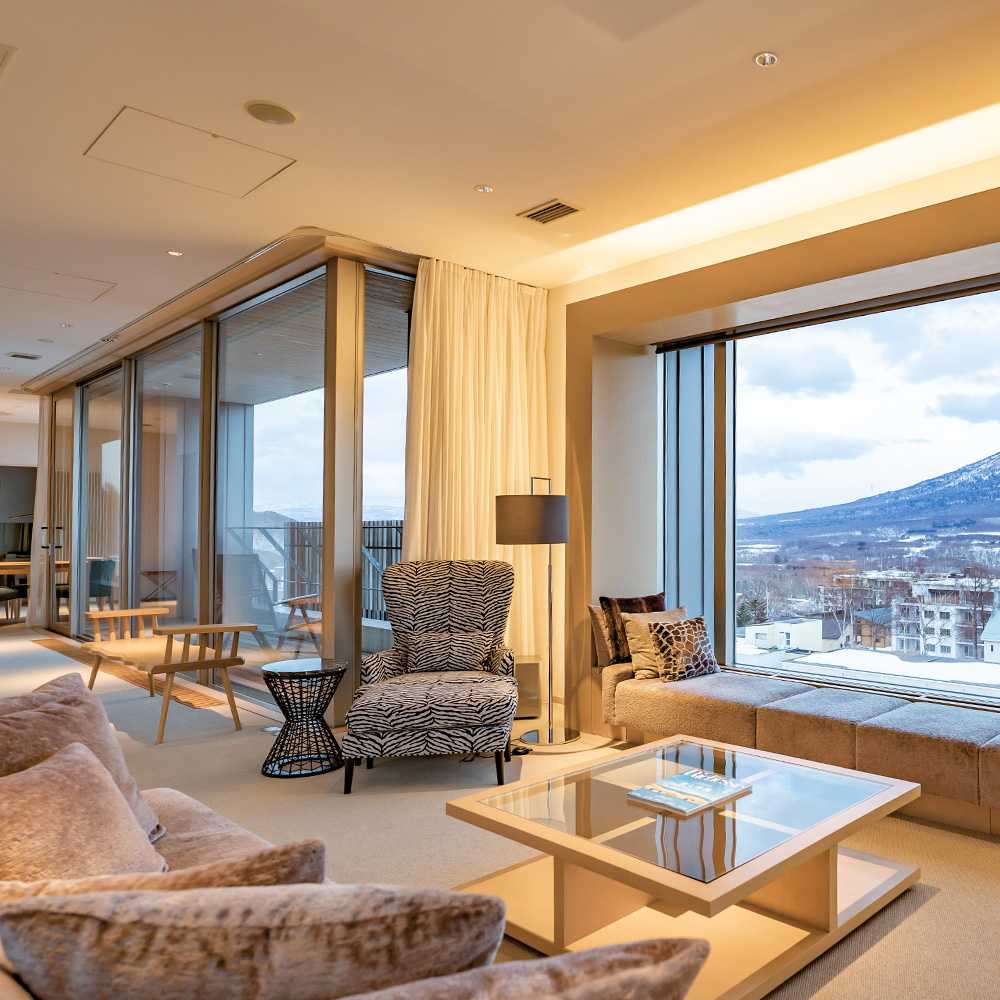 Chalet Ivy Hirafu, Niseko official site
Ten minutes and 260 metres, from skiresort.info — again a mismatch, though a less extreme one, and this time in the conservative direction. 544 reviews at 9.3 out of 10 makes it the most-reviewed property in Hirafu, so the walk evidently does not spoil the stay.
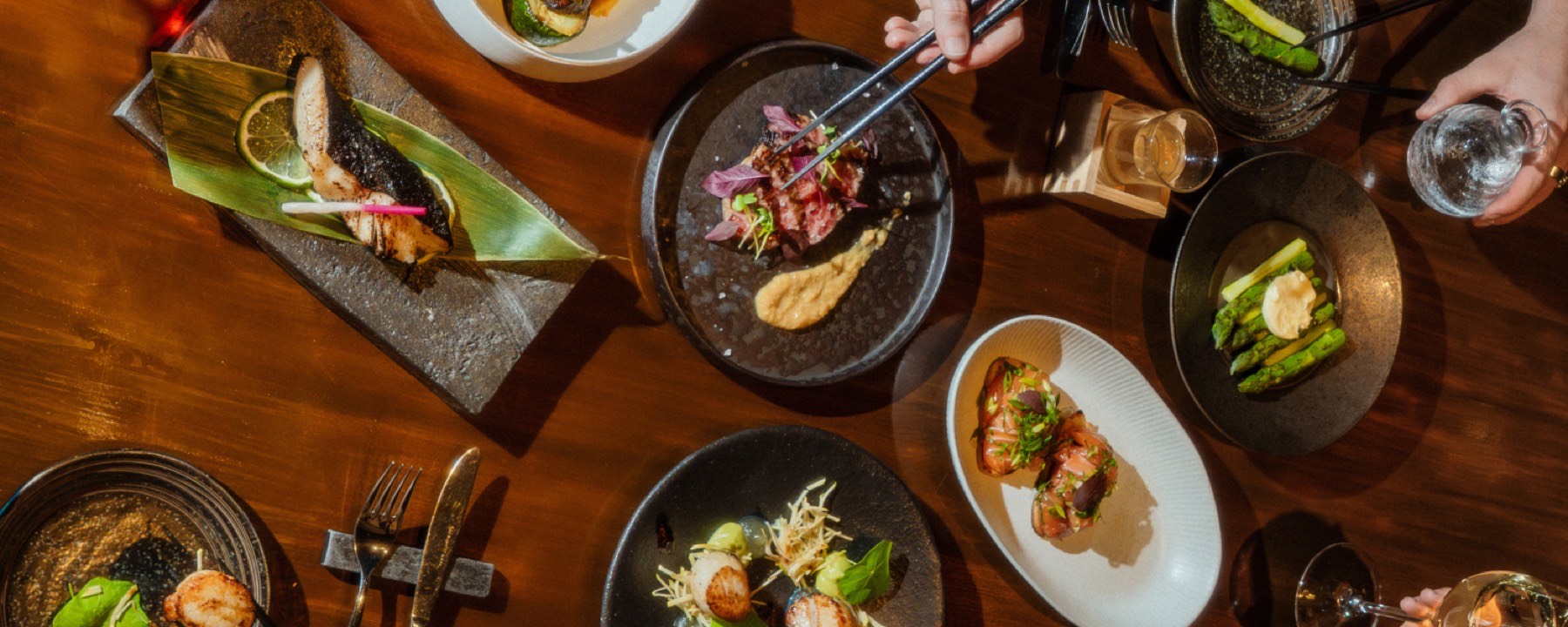 Ki Niseko official site
Its own copy calls it a boutique ski-in ski-out hotel; its Booking.com listing records one hundred metres. Those are compatible, and that is the point — a property that gives you a metre figure alongside the phrase is letting you decide whether the phrase is fair.
Where a listing gives you two numbers that cannot both be right, treat neither as a measurement. Where it gives you one number and a named lift, you have something.
The drying room test
There is a facility that tells you more about a property’s relationship with the mountain than any access claim does, and almost nobody looks for it: the ski drying room.
Of the forty-five properties here whose Japanese facility list we could read in full, four record a スキー乾燥室 — a heated room for wet boots and gloves. One of the four also rents skis and boards on site. None of the four is one of the four making an unqualified ski-in ski-out claim, and none of them uses the phrase anywhere we could find.
The inversion is not an accident. A drying room is a capital cost that only makes sense if you expect guests to come back soaked every afternoon for four months. A ski-in ski-out flag is a free line in a listing form. One is evidence about the building; the other is evidence about the marketing, and they are recorded in different languages by different people for different reasons.
None of this says a property without a drying room is far from the lift. It says that when you find one, somebody made a decision about skiers that cost money.
 Niseko Central Condominiums official site
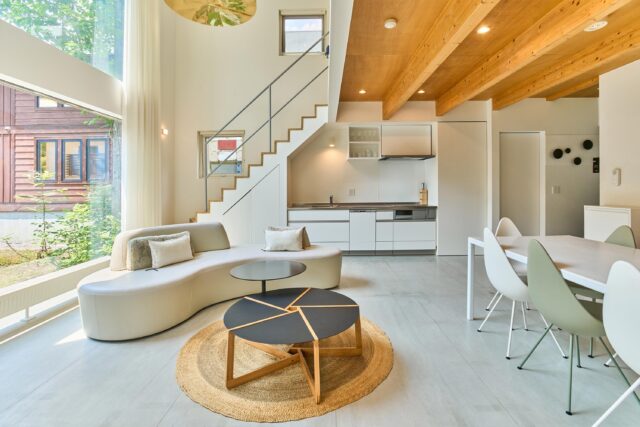
The most useful entry on this list, because it does both things: a ski drying room in the Japanese facility data and a hundred metres recorded from booking agents' listings. Also the most lopsided property here by market — 88 international reviews against one on the Japanese platform — at 9.1, with 106 photographs and no peak price published.
 Lodge Koropokkuru official site
Thirty-eight rooms in Hirafu with a drying room, a coin laundry and a large shared bath. Its own site states a five-minute walk to the slopes, which is a walk rather than a phrase. 107 reviews at 9.4 out of 10, no peak price published, and its peak week was already sold out when we last looked.
 Niseko OAC Lodge official site
Seven rooms in Niseko Village (Soga) with a drying room, a restaurant, and skis and boards for rent on site — the fullest set of ski-specific facilities of any small property here. 115 reviews at 8.8 out of 10, and no lift claim of any kind. The equipment is the claim.
 Country Resort Niseko official site
Forty-three rooms in Hirafu with a drying room recorded, at ¥760,650 for five peak nights and 9.7 out of 10 across 37 reviews — sub-scores of 9.9 for cleanliness and 9.9 for facilities against 9.2 for comfort, which is an unusual shape. Small sample, so read the score as an indication rather than a verdict.
The claims that exist only in Japanese
The nineteen properties counted above are the ones whose lift access is recorded as structured data on a booking platform. That is not the same as the ones that make a claim. At least two more state a distance in their own prose, and in both cases it never reached the field that a filter would search.
That matters practically. If you sort a booking site by “ski-in ski-out” or by distance to a lift, these properties are invisible — not because they are far, but because the sentence is in the wrong place, and in one case in the wrong language.
 Pension Cotton Farm official site
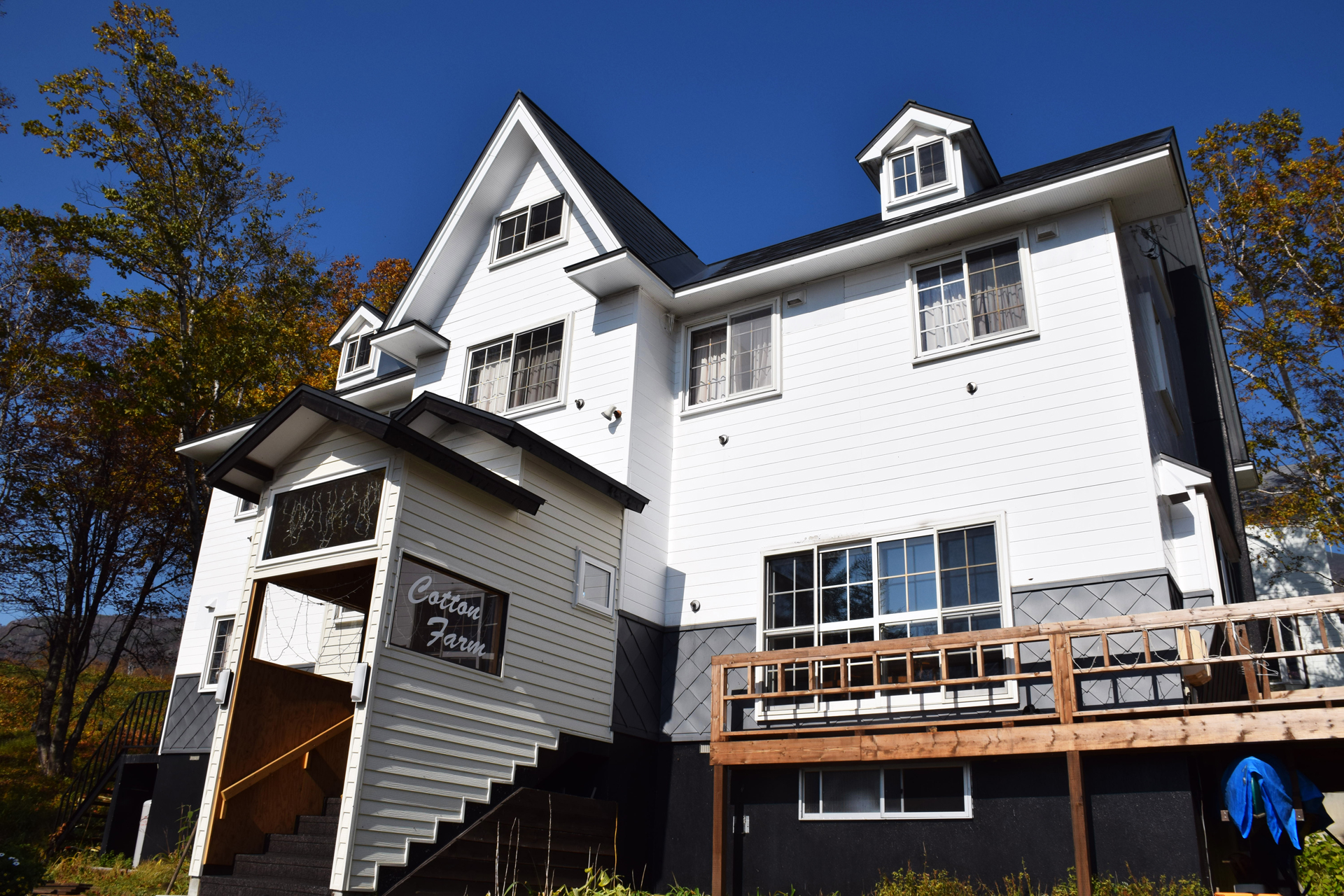
Its own Japanese page opens with スキー場まで徒歩1分 — one minute's walk to the ski area, which is the shortest walking time any property here claims. It appears in no English listing, carries no flag, and sits next to a sentence about the cooking. 45 reviews at 9.6 out of 10, ¥200,000 for five peak nights, on the Annupuri side.
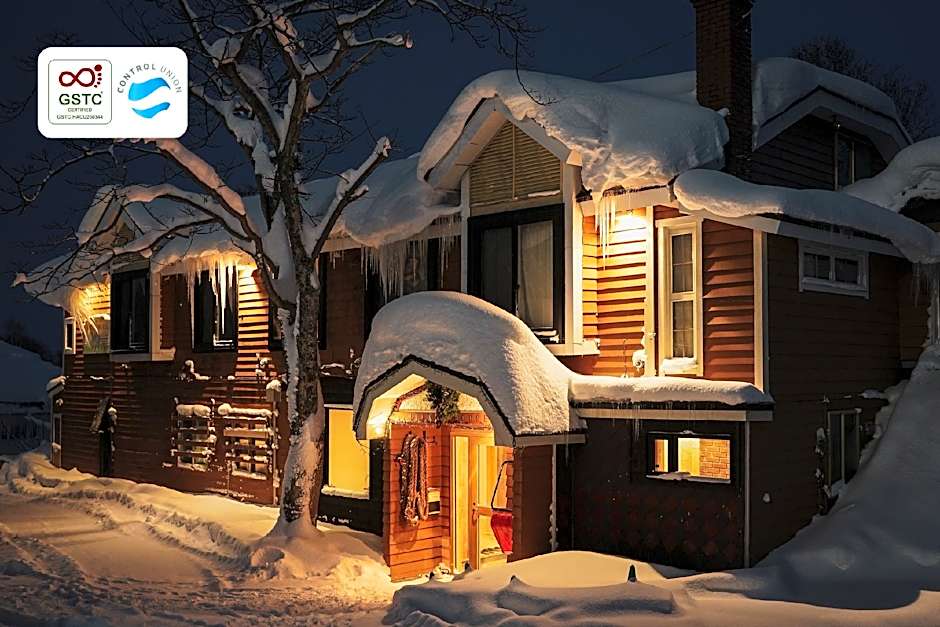 Country Inn Milky House official site
States two hundred metres to the Annupuri ski area in plain English on its own site, and a direct bus from the airport — a metre figure that did not make it into the structured access data on either platform. 140 reviews at 8.9 out of 10, 189 photographs, the largest gallery on this site, and a one o'clock check-in, the earliest here.
The three that were sold out, and what they have in common
Three properties on this site showed their peak week already sold out when we last looked. It is a small number, and the valley is not the sell-out market its reputation suggests. What is worth noticing is which three.
Lodge Koropokkuru states a five-minute walk to the slopes on its own site. The Vale Niseko names the lift — the Ace Family Quad — rather than stopping at the adjective. TORIFITO in Kutchan says in plain words that it is not ski-in ski-out and runs a loop shuttle instead.
Three cases is an observation, not a law. But all three of the properties whose peak week had gone are properties that describe their access in a form you can check, and one of them did it by denying the claim outright. Whatever the market punishes, it does not appear to be candour.
The direction question nobody asks
Plenty of Niseko properties are ski-out but not ski-in. You slide down in the morning and walk back up in the afternoon, in boots, carrying skis, usually in the dark by the end of the week. Both halves get sold under one three-word phrase, and the second half is the one that decides how the trip feels.
Ask which direction. A property that is genuinely both will say so without prompting; a property that is one of the two will describe the good half and let you assume the rest.
The uphill return is also the reason area advice fails here. Hirafu is built on a slope. A listing that says five minutes to the lift may mean five minutes downhill in the morning and twenty minutes back up with equipment in the afternoon, and the address will not tell you which.
What the area does and does not tell you
Niseko Village is the one part of the valley where the lifts and the hotels were planned together, so the claim is more often literally true there. It is also small — twenty-one bookable places, nine with enough public record for a page — so “the area with the best ski access” is a statement about a handful of buildings.
Hilton Niseko Village official siteRecorded at twenty metres from the lifts, from Tripadvisor reviews and ski.com rather than from the hotel's own marketing — which is the direction of evidence you want. 965 reviews, the largest sample in Niseko, at 8.1 out of 10. Open in summer, when the five-night rate falls to ¥134,484 from ¥505,817.
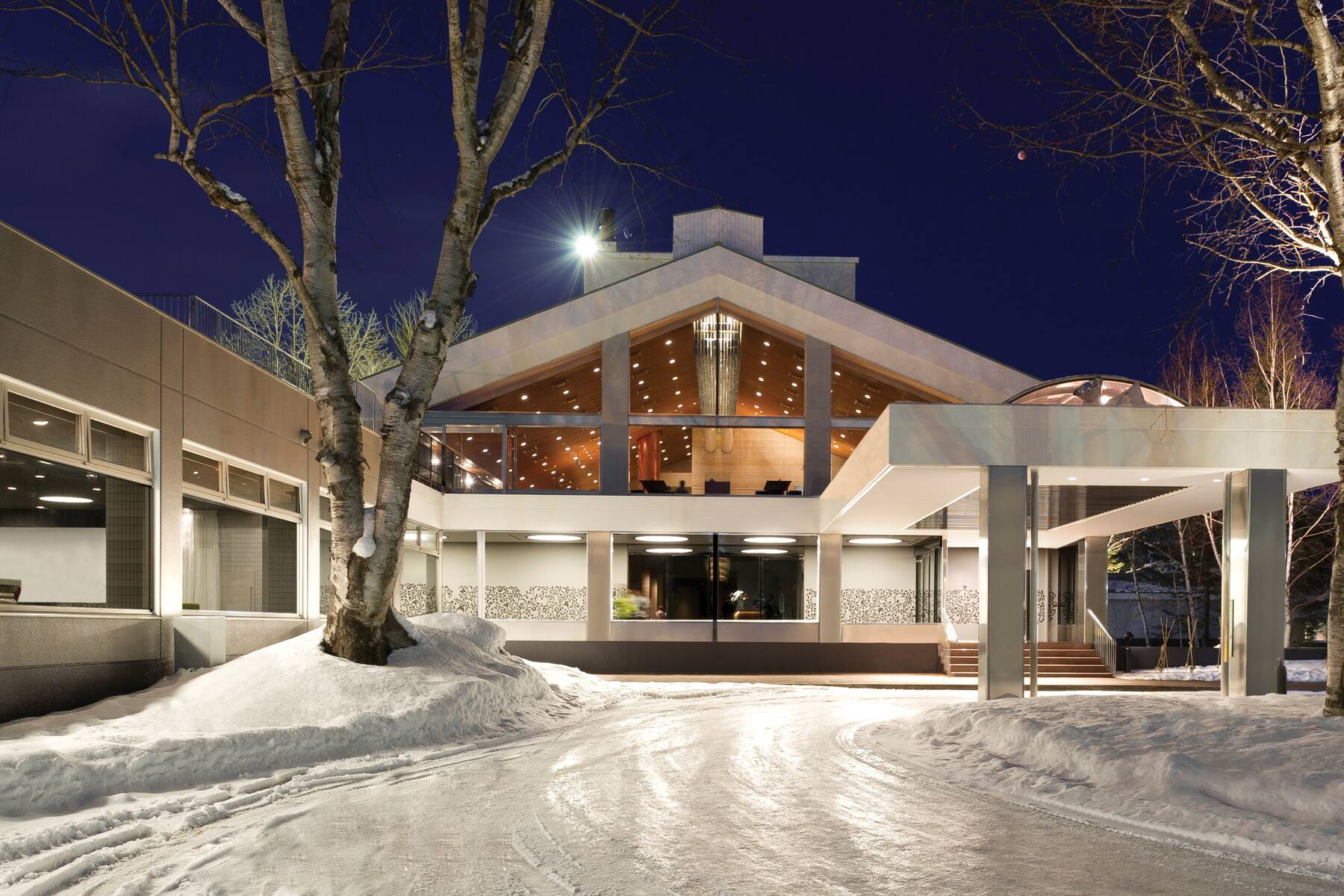 The Green Leaf Niseko Village official site
The other Niseko Village hotel making an unqualified ski-in ski-out claim, recorded from Powderhounds and ski.com. 669 reviews at 8.2 out of 10 and a five-night peak total of ¥472,272 — the cheaper of the two large hotels in the area.
Hirafu is a village, not a resort plan. A Hirafu address can be a minute from a lift or fifteen, and both are sold with the same photographs of the same gondola.
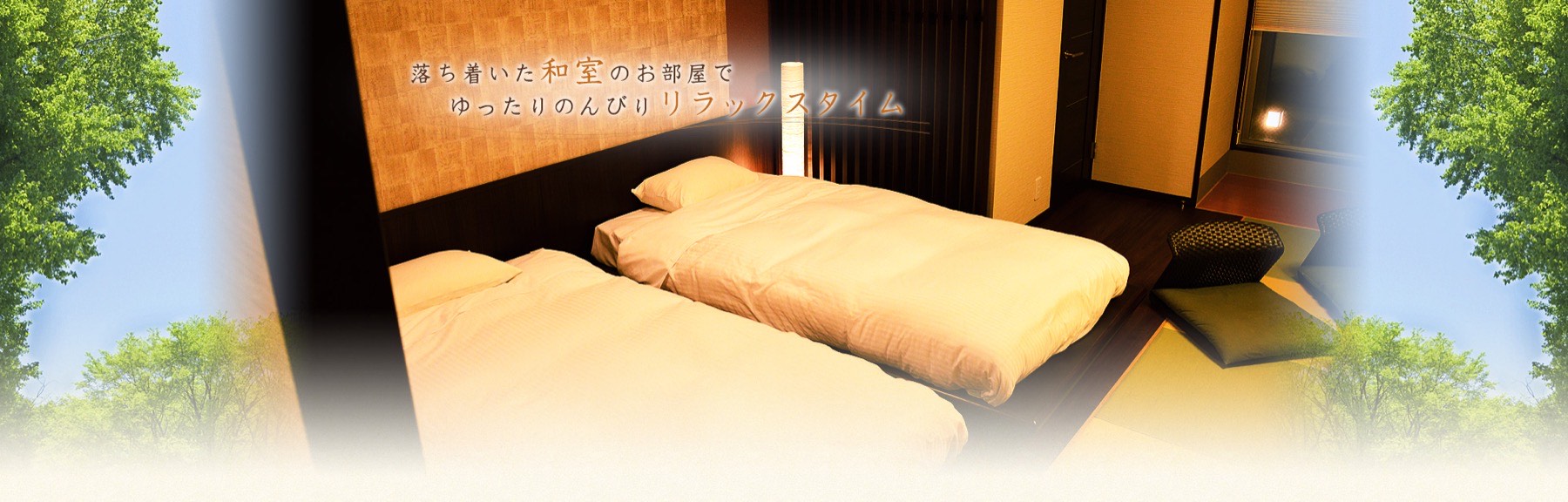 Niseko Prince Hotel Hirafutei official site
Hirafu, claiming ski-in ski-out with fifty metres attached — recorded from Tripadvisor reviews and booking agents rather than from the hotel. 7.8 out of 10 across 262 international reviews against 877 on the Japanese platform, which makes it one of the most domestically-booked hotels in the valley and a real onsen besides.
Kutchan town is several kilometres down the valley and nothing in it is walking distance to a lift. That does not stop the flag appearing.
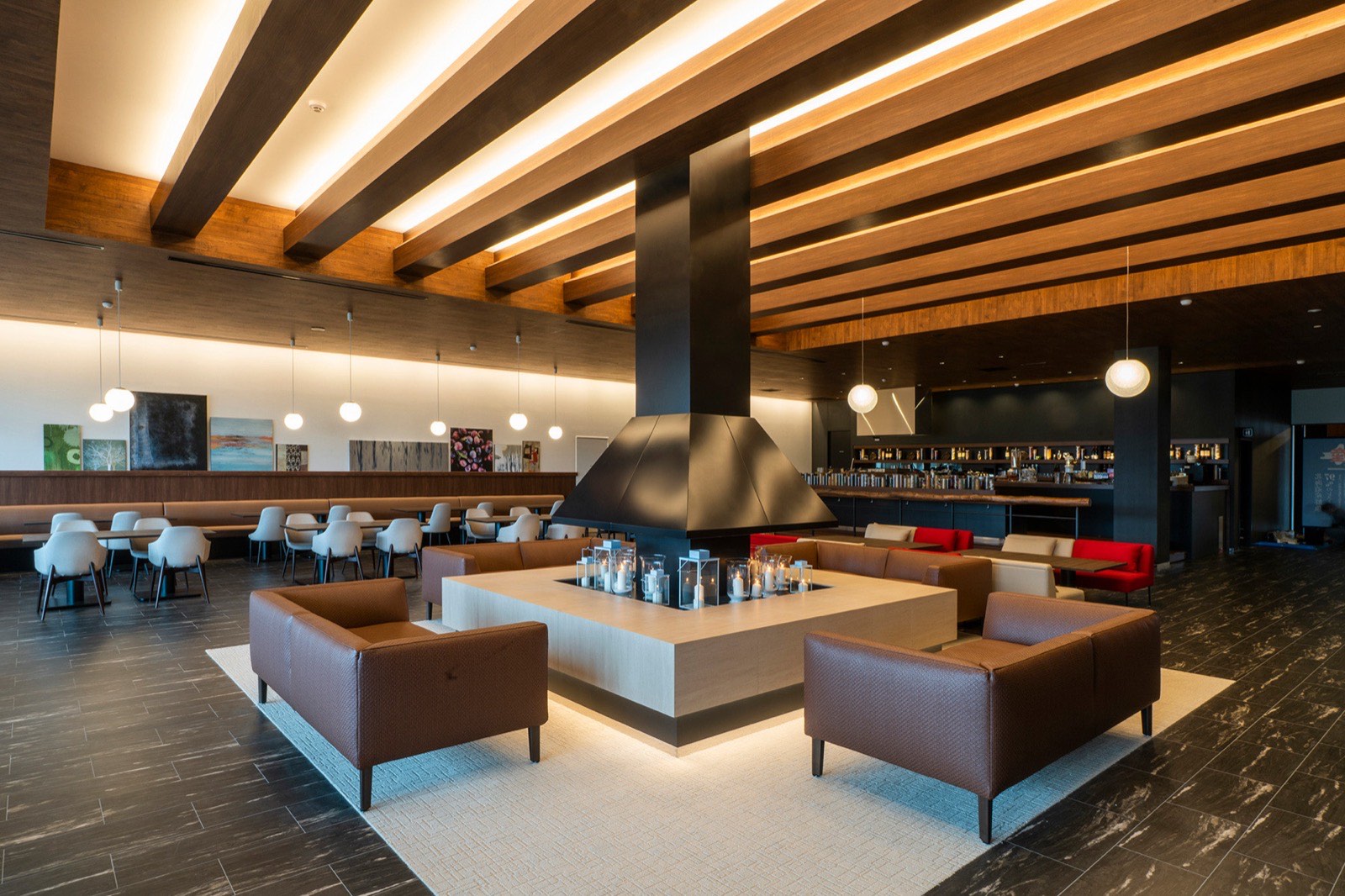 TORIFITO Hotel & Pod Niseko official site
The counter-example, and the most useful property in this article. Its own site states plainly that it is not ski-in ski-out and that it runs a loop shuttle. It is also the third most-reviewed place in the valley at 957 reviews, which suggests that saying the true thing costs a property much less than its competitors seem to fear.
How to read past the label
Look for a number and a name. “Two hundred metres from the Ace Family Quad” is a claim you can check on a piste map. “Ski-in ski-out” is not. A property that will not name the lift is usually further from it than you would like.
Check whether the two numbers agree. A time and a distance describing the same journey should be able to coexist. When a listing pairs twenty-five metres with a four-minute walk, the two were not produced by the same process, and you should not trust either.
Treat a shuttle as a different category. Walking access is available whenever you are. A shuttle runs on a timetable, can be full, and stops earlier than you will want it to.
Ask which direction, and ask about the gradient. Ski-out and ski-in are two claims, and the second one is the one carrying your children’s equipment uphill.
Weight the source, not the sentence. A distance recorded by a third party — a ski-area directory, a resort guide, guests describing the walk in reviews — is worth more than the same distance in the property’s own marketing, because nobody upstream had a reason to round it down.
If it matters, make it a question. Email the property and ask which lift, how many metres, and whether the return is uphill. The answer, or the absence of one, is itself information.
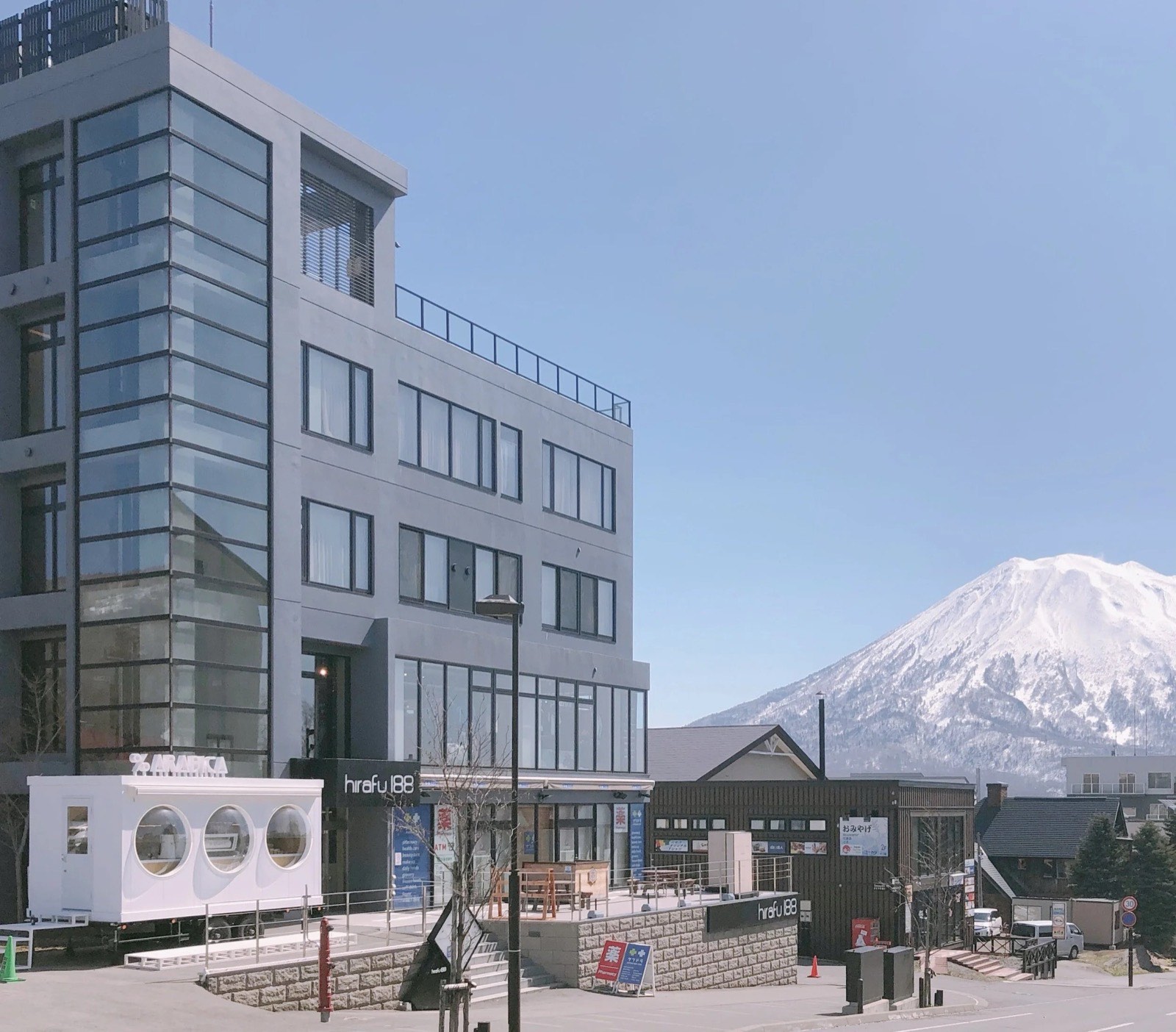 hirafu188 official site
Two hundred metres and three minutes, recorded from Powderlife and booking agents' listings rather than from the property's own marketing. Those two figures describe the same walk at an ordinary pace, so this is the agreement test above passing rather than failing, and the source is the third-party kind this article says to weight higher. 47 reviews at 9.4 out of 10, at ¥1,810,000 for five peak nights.
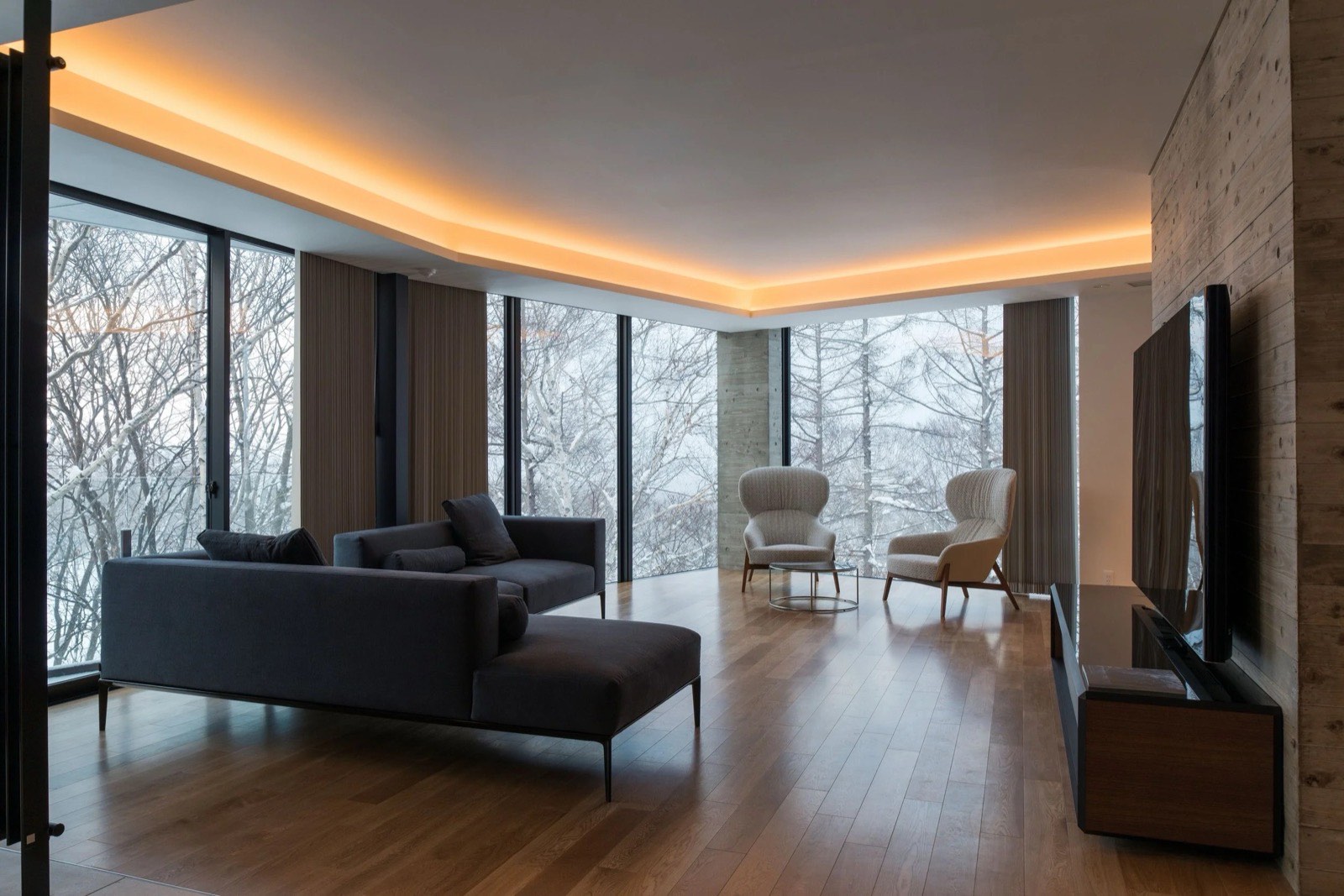 Kozue official site
Five minutes on foot, with no distance attached and no lift named, recorded from its own Booking.com listing. That is the shape this section warns about: a time with nothing to check it against, from the source with the most reason to round it down. 41 reviews at 9.6 out of 10 and ¥965,120 for five peak nights — a strong record, and the lift claim is still the part to ask about.
What to do about the sixty-four that say nothing
Most of the valley is in this group, and it includes a large share of the places worth staying in. Silence is not a red flag — but it does mean the lift question has to be answered some other way, and there are three substitutes worth using in this order.
The distance from central Hirafu. Every property page here carries one. It is not the distance to a lift and it never stands in for it, but it does sort the valley into “in the village”, “near the village”, and “down on the valley floor”, and for most trips that is the decision you were actually making. Kutchan town sits roughly five kilometres out; Annupuri roughly five; Hanazono and Niseko Village around three.
The property type. Whole houses and apartments sit further from the lifts on average than hotels do, because they were built where land was available rather than where the lifts were. If a chalet listing is silent about access, assume a drive or a shuttle.
The shuttle network. For everything outside walking range, the real question is not distance but which shuttle serves the address and when it stops. That is a timetable question, and the answer changes by season — which is why it should be asked of the property, in writing, before the deposit rather than after.
There is a fourth substitute that people use and should not: the photographs. Every property in Niseko photographs with snow and a chairlift somewhere in the frame. A picture of a lift is not a distance to one.
What this does to the price you should be willing to pay
Ski access is one of the few features in Niseko that genuinely justifies a premium, because it buys back time twice a day for the length of the trip. That is exactly why it is worth refusing to pay for it on an adjective.
The practical rule: if the claim is a number and a named lift, treat it as a feature and price it in. If it is a phrase, treat the property as though it had said nothing, and see whether you would still book it at that price on everything else it offers. Often you would — several of the properties in this article are excellent for reasons that have nothing to do with the walk. Sometimes you would not, and that is the case where the label was doing all the work.
Why this site measures from central Hirafu
Because it is a number we can stand behind for every property, and distance to a lift is not.
We hold a verified lift distance for two properties in the entire valley. Rather than fill the gap with each property’s own claim — which is exactly the thing this article is about — we publish the distance from the centre of Hirafu, say that is what it is, and never let it stand in for the other number. A slightly less flattering figure that means the same thing everywhere is more useful than a better-sounding one that means something different on every page.
Where a property does state its own lift access, its page here reproduces the claim and names where the claim came from, so you can see whether it came from the property or from somebody else.
The decision, condensed
- You are travelling with children’s equipment. Only book on a stated distance to a named lift. Nothing else in this article should change your mind.
- You want the claim to be reliably true. Niseko Village, and accept that the evening options are small and run by one operator rather than Hirafu’s independent streets. Start with the Niseko Village guide.
- You want Hirafu’s evenings. Accept that the walk is unknowable from the address, and choose on the number rather than the neighbourhood — see choosing a Niseko area.
- A shuttle is acceptable to you. The market opens up enormously, and prices fall. The cheap end of the valley is almost entirely shuttle-based — see Niseko on a budget.
- You are renting a whole house. Assume no lift access until proven otherwise; whole properties sit further out on average. See chalets and apartments.
- You cannot verify it. Then it is not a feature you are buying, and you should not be paying a premium for it.
Niseko Village properties on this site, by review count, read 9 September 2026. The resort's hotels and lifts were planned together, which is why this is the area where the label is least often doing the work — but only two of these six say anything about lift access at all, so the rule above still stands: read the page before you pay for the walk.
Hilton Niseko VillageNiseko VillageOnsen¥101,163 (~$640)/night · 5-night peak avgThe Green Leaf Niseko Village, Tapestry Collection by HiltonNiseko VillageOnsenWinter only¥94,454 (~$598)/night · 5-night peak avg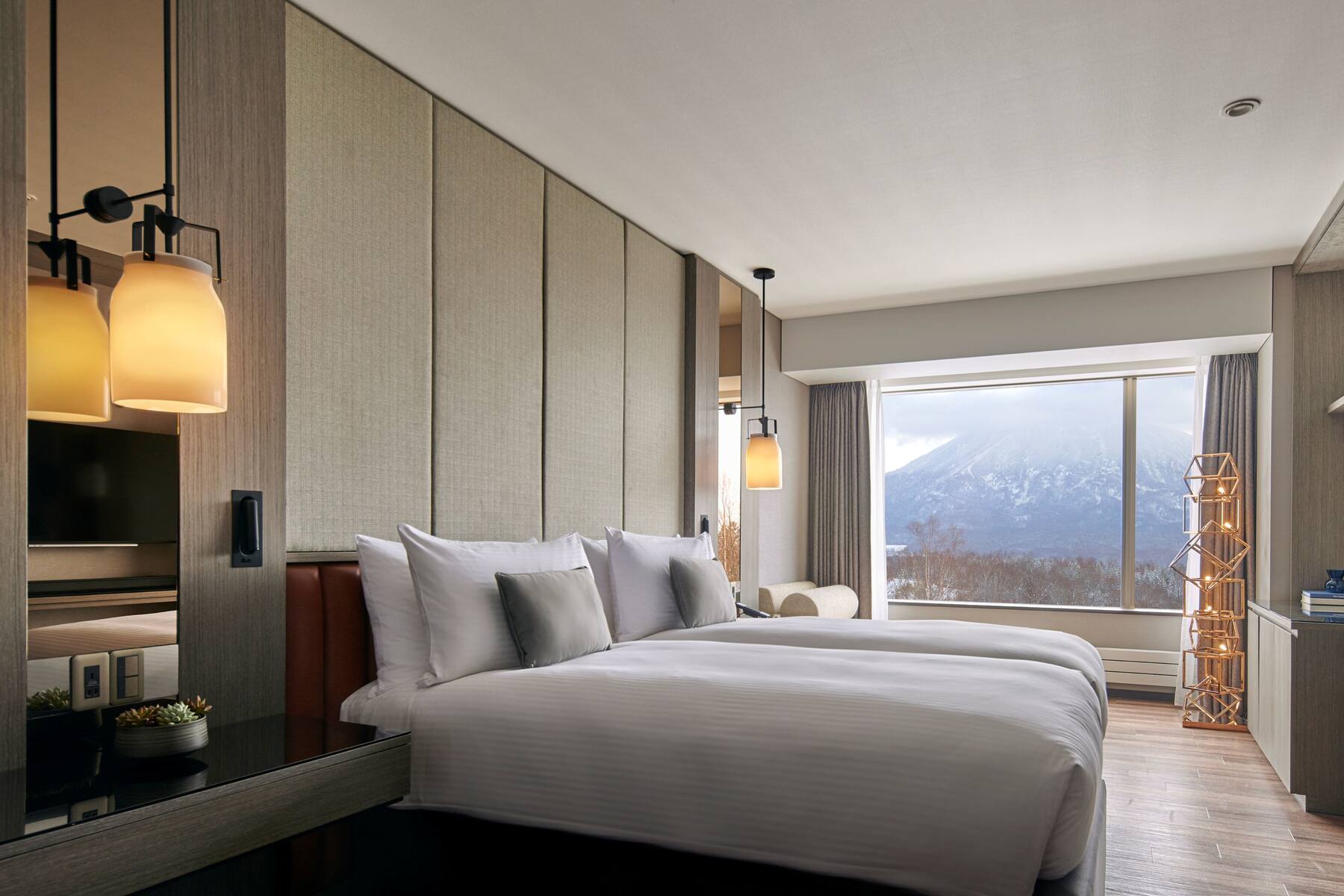 Hinode Hills Niseko VillageNiseko Village¥173,220 (~$1,096)/night · 5-night peak avg
 SnowDog VillageNiseko VillageWinter only¥53,550 (~$339)/night · 5-night peak avg
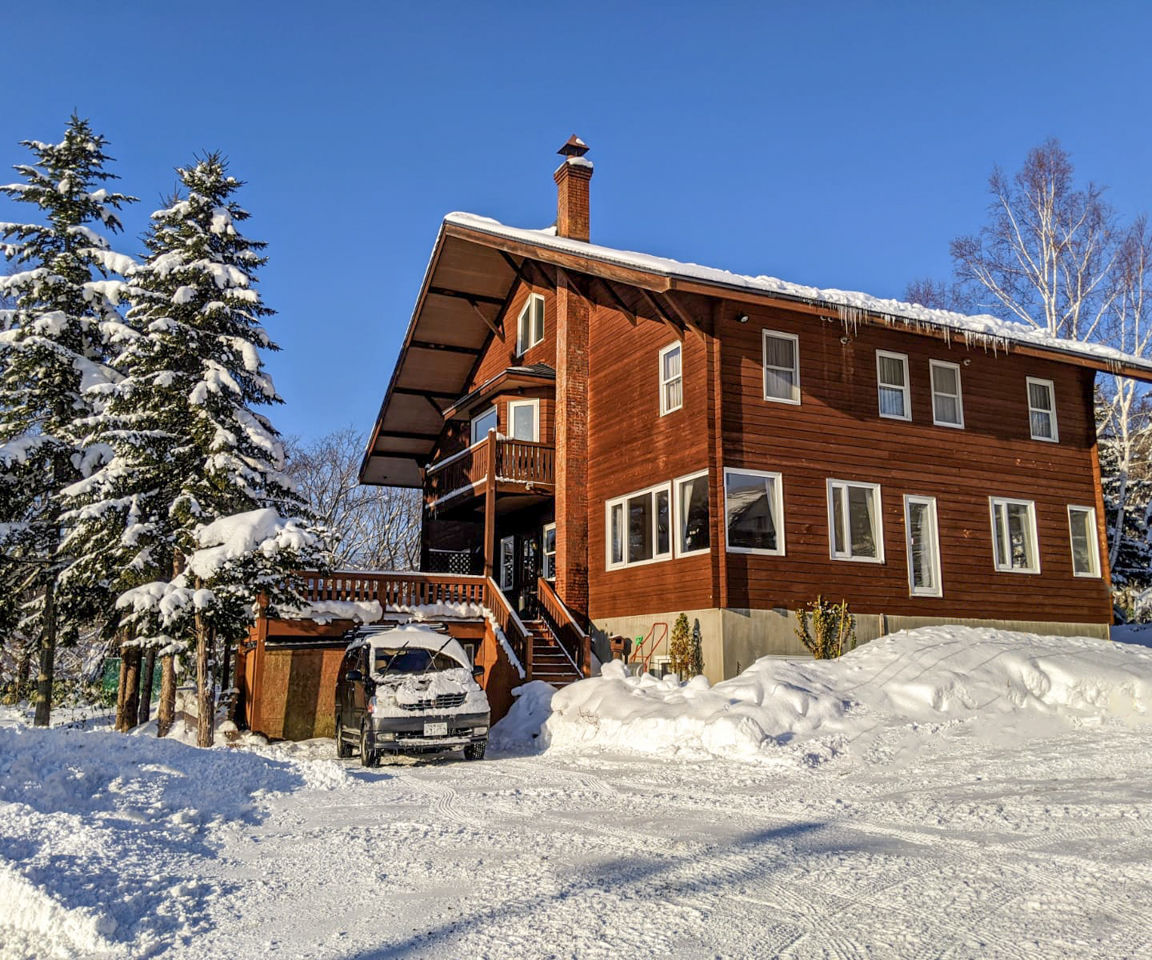 Niseko Ski Lodge - HigashiyamaNiseko VillageWinter only¥45,000 (~$285)/night · 5-night peak avgNiseko OAC LodgeNiseko VillageWinter only
Questions
- Is ski-in ski-out verified on booking sites?
- No. On the major booking platforms the ski-in ski-out flag is supplied by the property and is not checked by the platform or by anyone else. In Niseko it appears on properties ranging from about twenty-five metres from a lift to a backpackers' lodge in Kutchan town that is not on the mountain at all.
- Which Niseko hotels are genuinely ski-in ski-out?
- A small number, mostly in Niseko Village and at the top of Hirafu. Rather than trust the label, look for a stated distance in metres from a named lift, and prefer sources that name the lift — a property that will not name the lift is usually further from it than you expect.
- What is the difference between ski-in ski-out and slopeside?
- Nothing that either word guarantees. Both are marketing terms without a definition anyone enforces. The only useful question is how many metres you walk, carrying skis, and whether that walk is uphill.
- Is a shuttle the same as ski-in ski-out?
- No, and several Niseko properties describing themselves as ski-in ski-out actually mean a free shuttle. A shuttle is a schedule: it goes when it goes, it can be full, and its last run is earlier than you would like. Treat shuttle access as a different category from walking access.
- How far is too far to walk in ski boots?
- Most people find a few hundred metres on the flat acceptable and anything uphill unpleasant. In Niseko the walk is also in snow, often at night on the return, which makes the same distance feel longer than it reads on a listing.
- Does ski-in ski-out matter if I have children?
- More than for adults, because the walk is the same length but the carrying is not. If you are managing children's equipment, the distance to the lift is usually the single most important thing about the property.
- Which Niseko area has the most ski-in ski-out options?
- Niseko Village, proportionally. It is a self-contained resort where the lifts were built alongside the hotels, so the claim is more often literally true there than in Hirafu, where properties are spread through a village.
- Do chalets have ski-in ski-out access?
- Rarely. Whole-property rentals sit further from the lifts on average than hotels do, and their listings are written by owners and managers rather than by a hotel chain. Check the distance yourself for any chalet described this way.
- How many Niseko properties actually publish a distance to a lift?
- Very few. Of the eighty-three Niseko properties with a page on this site, nineteen make any statement at all about lift access — a flag, a walking time, a distance or a shuttle — and fewer than a dozen of those attach a number to it. For most of the valley, no distance to a lift exists in public at all.
- Why do walking times and distances disagree on the same property?
- Because they usually come from different sources that were never reconciled. One Niseko property is described as four minutes' walk and twenty-five metres in the same set of listings; another as ten minutes and two hundred and sixty. When the two numbers do not fit each other, at least one of them was copied rather than measured.